Tag: Redmi K Pad

  • Redmi K Pad: Xiaomi’s New Device Beats iPad Mini 7

    Redmi K Pad: Xiaomi’s New Device Beats iPad Mini 7

    Key Takeaways

    1. Processor Performance: Redmi K Pad features an octa-core MediaTek Dimensity 9400+ processor, while iPad Mini 7 has a hexa-core Apple A17 Pro processor.

    2. Display and Features: K Pad offers an 8.8-inch 2.5k IPS LCD with 165 Hz refresh rate, superior to the iPad Mini 7’s 8.3-inch 2k IPS LCD with 60 Hz.

    3. Cooling and Audio: K Pad uses a liquid cooling system for better thermal management, while Mini 7 relies on passive cooling; K Pad also has louder stereo speakers.

    4. Battery Life and Connectivity: K Pad has a larger 7,500 mAh battery with 67 W fast charging compared to Mini 7’s 5,078 mAh battery and 20 W charging.

    5. Pricing and Variants: K Pad launches at CN¥2,799 ($391), significantly cheaper than iPad Mini 7’s CN¥5,799 ($810); it offers multiple storage options.


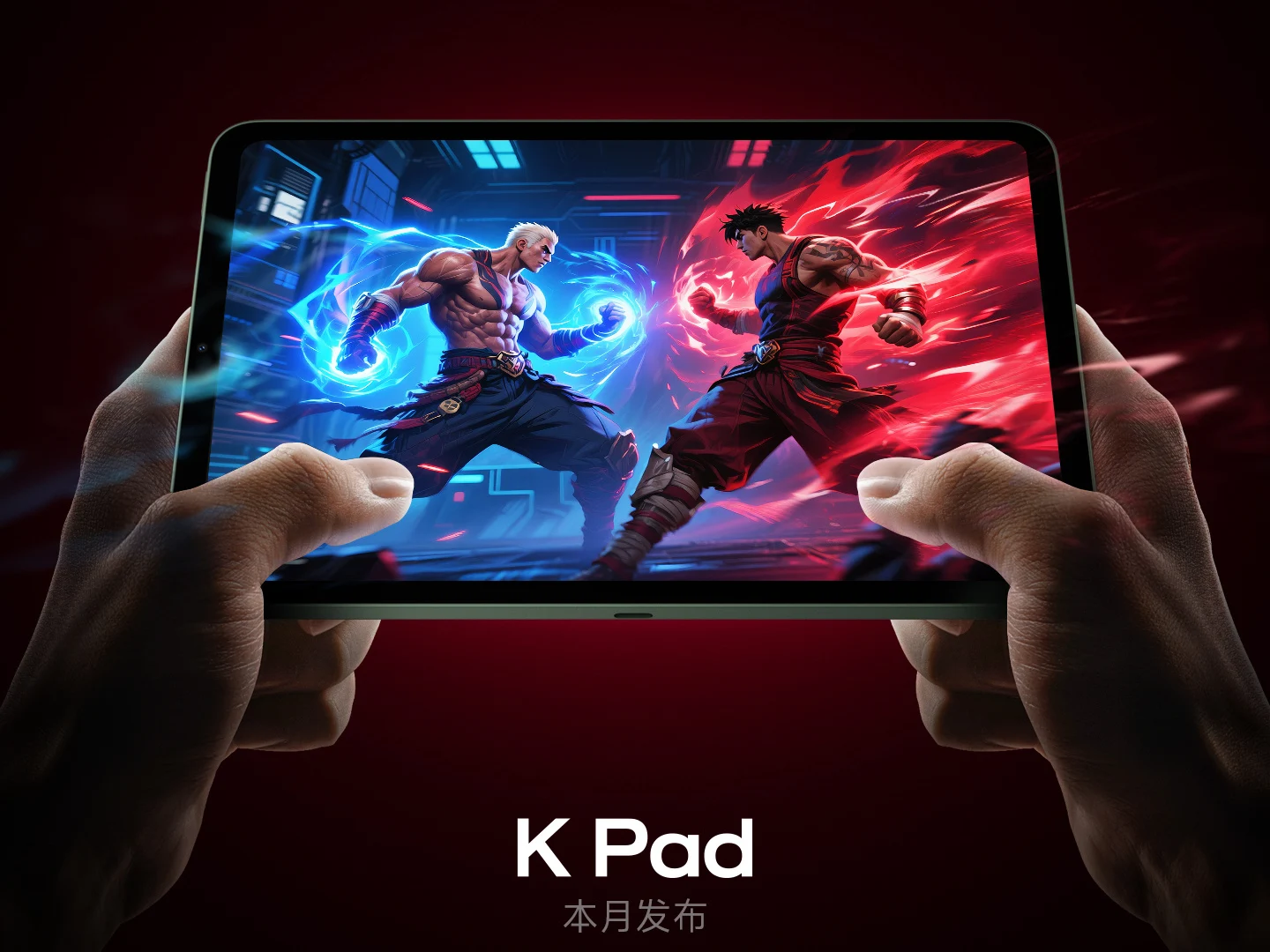
    Xiaomi has just made an official announcement for the Redmi K Pad, a compact tablet that aims to rival the Apple iPad Mini 7. During the launch, Xiaomi drew comparisons between its specifications and those of the iPad Mini (2024), making a bold move to claim the title of the top mini tablet. Let’s explore how it stacks up against its direct competitor, starting with the processors.

    Processor Performance

    The Redmi K Pad is powered by the octa-core MediaTek Dimensity 9400+ processor, which is manufactured using advanced 3 nm technology and can reach speeds of up to 3.63 GHz. In contrast, the iPad Mini 7 is equipped with the Apple A17 Pro processor, a hexa-core chip also built on a 3 nm architecture, capable of clocking up to 3.78 GHz.

    Display and Features

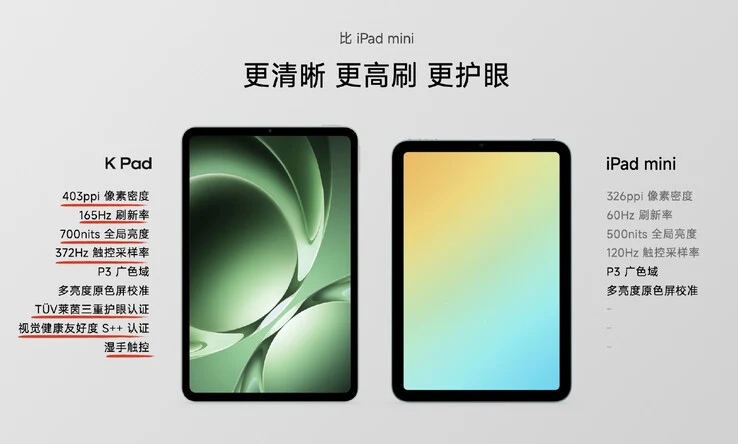
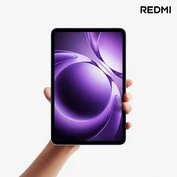
    Boasting an 8.8-inch 2.5k IPS LCD, the Redmi K Pad offers a refresh rate of 165 Hz, a touch sampling rate of 372 Hz, and a pixel density of 403 PPI. The iPad Mini 7, on the other hand, has an 8.3-inch 2k IPS LCD with a maximum refresh rate of 60 Hz, a touch sampling rate of 120 Hz, and a pixel density of 327 PPI. The K Pad’s display sports a narrower 8:5 aspect ratio and provides 700 nits of peak brightness, while the Mini 7 features a 9:6 ratio and 500 nits peak brightness.

    Cooling and Audio

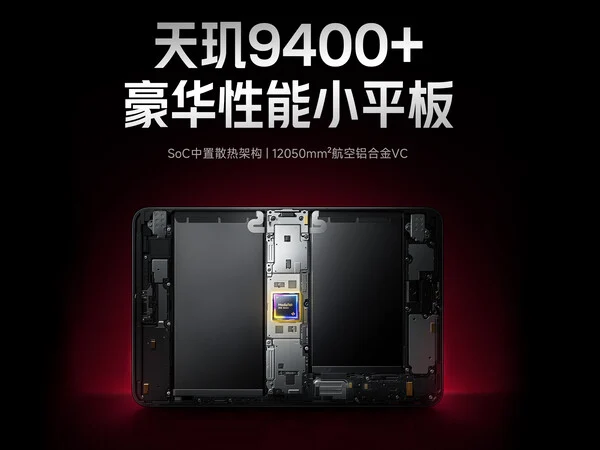
    For thermal management, the K Pad utilizes a liquid cooling system measuring 12,050 mm², whereas the Mini 7 depends on a passive cooling solution. Both tablets are equipped with stereo speakers, with the K Pad reaching a sound level of 80.2 dB and the Mini 7 hitting 71.6 dB.

    Battery Life and Connectivity

    On the battery front, the K Pad houses a robust 7,500 mAh battery and supports fast charging at 67 W. In comparison, the Mini 7 has a smaller 5,078 mAh battery with a 20 W charging capability. The new mini tablet from Xiaomi includes a side-mounted USB-C 3.2 Gen 1 port, while the Mini 7 comes with a USB-C 3.1 Gen 2 port.

    Pricing and Variants

    The Redmi K Pad is set to launch at a price of CN¥2,799 ($391) for the 8/256 GB model, significantly undercutting the Apple iPad Mini 7’s launch price of CN¥5,799 ($810) for its 8/256 GB variant (currently $577.50 on Amazon). The K Pad will be available in five different versions: 8/256 GB, 12/256 GB, 12/512 GB, 16/512 GB, and 16/1 TB.

    Source:
    Link

  • Xiaomi Redmi K Pad Launches Globally Outside China

    Xiaomi Redmi K Pad Launches Globally Outside China

    Key Takeaways

    1. Xiaomi will launch the Redmi K Pad today, primarily for the Chinese market, with potential for a global release hinted by recent certifications.
    2. The Redmi K Pad has two model numbers: 25079RPDCC (exclusive to China) and 25079RPDCG (aimed at international customers).
    3. The tablet supports Bluetooth and Wi-Fi, as confirmed by the Infocomm Media Development Authority (IMDA).
    4. It features a MediaTek Dimensity 9400 Plus chipset, a 7,500 mAh battery, and an 8.8-inch IPS display with a 3K resolution and 165 Hz refresh rate.
    5. The Redmi K Pad is expected to outperform Xiaomi’s previous model, the Redmi Pad SE 8.7, which is priced at $142.


    Xiaomi is set to present the Redmi K Pad later today, along with a variety of other gadgets. Currently, it seems that the tablet will be launched only in China, and there’s no information yet about when it might be available elsewhere. Nevertheless, a recent certification from a regulatory body hints that Xiaomi might be gearing up for a global release, especially after rumors about a Poco F Pad surfaced earlier this month.

    Redmi K Pad Model Numbers

    To summarize, the Redmi K Pad has been linked to the model number 25079RPDCC. Although this number doesn’t give much information at a glance, the C at the end suggests that this particular version will remain exclusive to the Chinese market. On the other hand, the newly spotted 25079RPDCG in the Infocomm Media Development Authority (IMDA) database appears to be aimed at international customers.

    Specifications and Features

    Typically, the IMDA does not provide extensive details, but it has confirmed that the 25079RPDCG is classified as a ‘tablet computer’ that supports both Bluetooth and Wi-Fi. It’s clear that the 25079RPDCC and 25079RPDCG are different versions of the same product. The Redmi K Pad is expected to be much more powerful than Xiaomi’s recent compact tablet, the Redmi Pad SE 8.7, which currently retails for $142 on Amazon.

    Performance Expectations

    The Redmi K Pad will come equipped with a MediaTek Dimensity 9400 Plus chipset, along with a robust 7,500 mAh battery and an 8.8-inch IPS display. Recent teasers indicate that this relatively compact display will feature a 3K native resolution and a refresh rate of 165 Hz, positioning it to compete with the latest Lenovo Legion Y700 and the soon-to-be-released RedMagic Astra.

    Source:
    Link


  • Lenovo Legion Y700 vs RedMagic 3 Pro vs Redmi K Pad Gaming Test

    Lenovo Legion Y700 vs RedMagic 3 Pro vs Redmi K Pad Gaming Test

    Key Takeaways

    1. The Redmi K Pad has not officially launched but is already being reviewed in China, competing against Lenovo Legion Y700 and RedMagic Gaming Tablet 3 Pro.
    2. In gaming performance, all three tablets achieve similar frame rates, with RedMagic slightly ahead at 120 FPS.
    3. The Redmi K Pad excels in power efficiency, consuming only 5.7 W, compared to 9.8 W for the Lenovo and 6.2 W for the RedMagic.
    4. In Genshin Impact, the Redmi K Pad also shows lower power usage at 6.9 W, while the Legion Y700 uses 8.5 W and the RedMagic 7.5 W.
    5. Overall, the Redmi K Pad stands out for energy efficiency, while the Lenovo Legion Y700 is less efficient and the RedMagic offers a balance in performance but runs hotter.


    The Redmi K Pad has not officially launched yet, but it is already in the hands of reviewers in China. It has been compared with two main competitors: the Lenovo Legion Y700 (4th Gen) and the RedMagic Gaming Tablet 3 Pro.

    Game Performance Comparison

    According to tests by Novice Evaluation, the Lenovo Legion Y700 (4th Gen) ranks slightly lower in performance across two games. In Honor of Kings, both the Legion Y700 and the Redmi K Pad achieve an average frame rate of 119.9 FPS. The RedMagic Gaming Tablet 3 Pro, however, takes the lead with a steady 120 FPS.

    Power Consumption and Efficiency

    On the downside, the Lenovo tablet consumes the most power, using 9.8 W. The RedMagic tablet, which also has the Snapdragon 8 Elite processor, uses only 6.2 W. In contrast, the Redmi K Pad shines in power efficiency, drawing just 5.7 W. Additionally, the Redmi K Pad stays the coolest at 42.8 °C, while the RedMagic and Legion Y700 reach temperatures of 45.3 °C and 45 °C, respectively.

    Genshin Impact Results

    Similar results can be seen in Genshin Impact, where all three tablets average 119.9 FPS. However, the Legion Y700 (4th Gen) consumes 8.5 W of power, while the Redmi K Pad uses a lower 6.9 W compared to the RedMagic Gaming Tablet 3 Pro’s 7.5 W. In terms of temperature, the RedMagic tablet runs the hottest at 45.2 °C, with the Redmi K Pad at 43 °C and the Legion Y700 slightly cooler at 42.9 °C.

    In conclusion, the three tablets show minimal differences in performance. They all deliver solid results typical of high-end Android devices, thanks to their powerful chipsets. Nevertheless, the Redmi K Pad stands out for its energy efficiency, while the Lenovo Legion Y700 is notably less efficient. The RedMagic Gaming Tablet strikes a decent balance in performance, but for its price, it might be expected to have a cooler operation.

    Check out the Lenovo Legion Go on Amazon.

    Novice Evaluation

    Source:
    Link


  • Redmi Launches First Split Design Game Controller with Xbox Layout

    Redmi Launches First Split Design Game Controller with Xbox Layout

    Key Takeaways

    1. Live Session Introduction: Liu Weibing and Thomas Wang presented upcoming Redmi products, including the Redmi K80 Ultra and Redmi K Pad, along with the Redmi Game Controller.

    2. Controller Design: The Redmi Game Controller features a sleek white matte finish with light gray buttons and a layout similar to Xbox controllers, including essential gaming controls.

    3. Unique Structure: The controller consists of two separate pieces that attach to either end of the device, differing from typical mobile controllers, and resembles the Turtle Beach Atom design.

    4. Wireless Connection: The Redmi Game Controller likely connects via a 2.4GHz connection between the two halves and uses Bluetooth to link with devices.

    5. Pending Specifications: Detailed specifications, including features, battery life, pricing, and availability of the Redmi Game Controller, are not yet available, with more information expected closer to the Redmi K Pad’s launch.


    On June 18, a live session took place in China, led by Liu Weibing, Xiaomi’s smartphone division president, alongside Thomas Wang, the General Manager of Redmi. During this event, both executives delved into their upcoming Redmi products, focusing specifically on the Redmi K80 Ultra and the Redmi K Pad. Additionally, they introduced the Redmi Game Controller, marking the brand’s first venture into mobile gaming controllers.

    Controller Design

    The Redmi Game Controller features a sleek white matte finish, paired with light gray buttons that resemble those found on Xbox controllers, including a D-pad, thumbsticks, and triggers. A video showcased the controller being used with the Redmi K Pad, demonstrating how it secures the tablet with adjustable clamps that adapt to different device sizes.

    Unique Structure

    What’s notable about this Bluetooth controller is its distinct layout. Unlike many mobile controllers, such as the 8BitDo Ultimate Mobile Gaming Controller, which is designed as a single telescopic unit, the Redmi Game Controller consists of two separate pieces that attach to either end of the device. This design is not entirely new, as it closely resembles the Turtle Beach Atom, which is currently priced at 49.99 on Amazon.

    As a wireless controller, it seems likely that the two halves connect to each other first, probably using a 2.4GHz connection, before linking to the device through Bluetooth. The footage also indicates that the Redmi Game Controller can be combined into one piece, functioning like a traditional wireless controller.

    Anticipated Features

    At this time, there are no detailed specifications available for the Redmi Game Controller, including the type of thumbsticks and triggers, battery life, battery capacity, supported devices, pricing, and when it will be available. However, we anticipate that more information will surface closer to the official launch of the Redmi K Pad.

    Source:
    Link

  • Xiaomi Redmi K Pad: 165 Hz Display & Powerful Chipset Launch

    Xiaomi Redmi K Pad: 165 Hz Display & Powerful Chipset Launch

    Key Takeaways

    1. The Redmi K Pad is set to compete against the iPad mini 7, priced at $489, and the Lenovo Legion Tab Gen 4.
    2. Xiaomi has confirmed the tablet will have an 8.8-inch IPS display with a native 3K resolution and a 165 Hz refresh rate.
    3. The Redmi K Pad will be powered by the MediaTek Dimensity 9400 Plus chipset and aims to enhance gaming with dual x-axis linear motors.
    4. The tablet features two USB Type-C ports for improved connectivity and functionality.
    5. Global availability of the Redmi K Pad has not been confirmed, and the launch date remains unclear.


    The Redmi K Pad is looking to be a strong competitor against the iPad mini 7, which is currently priced at $489 on Amazon. This comes shortly after the launch of the RedMagic Gaming Tablet 3 Pro. Xiaomi’s upcoming tablet will also compete with Lenovo’s new Legion Y700, which is anticipated to be released worldwide later this year under the name Legion Tab Gen 4. In the meantime, RedMagic has announced that the Gaming Tablet 3 Pro will be marketed beyond China as the RedMagic Astra.

    Updates on Global Availability

    At this point, Xiaomi has not confirmed if the Redmi K Pad will be available globally. The company is slowly revealing details about its new ‘luxury performance tablet’ through social media platforms. Recently, it has been confirmed by the company and its executives that the device will feature an 8.8-inch IPS display, a fact that had been previously disclosed by leakers.

    Display Features

    Xiaomi has provided additional information stating that this compact screen will offer a native 3K resolution. Although the precise resolution and aspect ratio have not been disclosed yet, Xiaomi mentioned that the display will support a 165 Hz refresh rate. Furthermore, the Redmi K Pad is expected to have a well-balanced weight distribution, thanks to its 12,050 mm² aluminum-alloy vapor chamber cooling system.

    Performance and Connectivity

    Additionally, the Redmi K Pad aims to compete with the Galaxy Tab S11 series by utilizing the MediaTek Dimensity 9400 Plus chipset. Unlike Samsung’s top-tier tablets, the Redmi K Pad will feature two USB Type-C ports and dual x-axis linear motors to enhance the gaming experience, even while charging. Unfortunately, a specific launch date is still not clear from Xiaomi’s promotional hints.

    Source:
    Link


  • Redmi K Pad Specs Leak: 8.8″ 3K+ Display, Dimensity 9400+, 7500mAh

    Redmi K Pad Specs Leak: 8.8″ 3K+ Display, Dimensity 9400+, 7500mAh

    Key Takeaways

    1. Launch Details: The Redmi K Pad, Xiaomi’s first gaming tablet, will be launched in China alongside the Redmi K80 Ultra later this month.

    2. Display and Design: It features an 8.8-inch IPS LCD display with a 3K resolution (2880 x 1800 pixels), a refresh rate of 165Hz, a 16:10 aspect ratio, and a sleek design at 6.4mm thick and 326 grams.

    3. Performance Specifications: Powered by MediaTek’s Dimensity 9400+ chipset, it will have a 7,500mAh battery with 67W fast charging and come with 16GB of RAM running Android 15 with HyperOS 2.0.

    4. Enhanced Gaming Features: The tablet may include dual speakers, dual USB-C ports, dual X-axis linear motors, and support for bypass charging for improved gaming performance.

    5. Market Positioning: Priced around 4,000 Yuan (~$560), the Redmi K Pad aims to compete with other compact gaming tablets like Lenovo Legion Y700 and Red Magic Gaming Tablet 3 Pro, targeting users seeking alternatives to the iPad Mini 7.


    Redmi is gearing up to launch its first tablet designed for gaming, the Redmi K Pad, later this month in China. This device will make its debut alongside the Redmi K80 Ultra and is expected to feature impressive specifications in a compact design. Ahead of the official announcement, leaker Bald Panda has shared some key details about the tablet.

    Expected Features

    Rumored to sport an 8.8-inch IPS LCD display, the Redmi K Pad will offer a stunning 3K resolution of 2,880 x 1,800 pixels. It will have a refresh rate of 165Hz and a 16:10 aspect ratio, making it perfect for gaming and media consumption. With a thickness of just 6.4mm and a weight of 326 grams, it aims to combine sleekness with power.

    Power and Performance

    The tablet will be powered by MediaTek’s newest Dimensity 9400+ chipset, featuring a robust battery of 7,500mAh with support for 67W fast charging. Users can expect to choose from three colors: purple, green, and black. Recent benchmarks on Geekbench have shown that it will come with 16GB of RAM and run on Android 15, likely with the HyperOS 2.0 interface.

    Additional Features and Variants

    A different source, Experience More, indicated that the Redmi K Pad might include dual speakers, dual USB-C ports (3.0), and dual X-axis linear motors, enhancing the gaming experience. It is anticipated to support bypass charging, which can help keep temperatures down during long gaming sessions.

    The device will be offered in several configurations: 8GB+256GB, 12GB+256GB, 12GB+512GB, 16GB+512GB, and 16GB+1TB. It will be released in Smoky Purple, Spruce Green, and Deep Black, with a price of around 4,000 Yuan (~$560).

    Competing in the Market

    The Redmi K Pad is positioned to compete with other compact tablets like the Lenovo Legion Y700 (Gen 4) and Red Magic Gaming Tablet 3 Pro. All three devices are being marketed as viable alternatives to the iPad Mini 7 by their respective brands.

  • Xiaomi Poco F Pad Set to Launch as Compact Global Flagship Tablet

    Xiaomi Poco F Pad Set to Launch as Compact Global Flagship Tablet

    Key Takeaways

    1. Xiaomi’s Redmi brand is launching its first high-end tablet, the Redmi K Pad, in China this month.
    2. The Redmi K Pad is expected to have a global launch, targeting markets like Indonesia, Taiwan, and Europe, but not India or Japan.
    3. The tablet might be rebranded as the Poco F Pad in global markets, following Poco’s history of rebranding Redmi products.
    4. The official launch of the Redmi K Pad and its Poco version is still pending, with the latter expected later this year.
    5. Once released, the Redmi K Pad will compete with premium compact tablets like the Lenovo Legion Tab Gen 4 and RedMagic Astra.


    Xiaomi’s Redmi brand is getting ready to introduce its first high-end tablet, the Redmi K Pad, in China this month. Interestingly, it seems this tablet won’t just be for China and may have plans for a global launch soon.

    Global Launch Plans

    According to XiaomiTime, the Redmi K Pad is expected to make its way into various markets. This compact flagship tablet, which is referred to internally as “turner,” will likely be available in places like Indonesia, Taiwan, Europe, and potentially worldwide. Sadly, it looks like India and Japan might not get this product.

    Possible Name Change for Global Markets

    The report suggests that outside of China, the Redmi K Pad might be sold as the Poco F Pad or possibly under a different name in Poco’s collection. This isn’t too shocking since Poco often rebrands Chinese Redmi products, similar to what happened with the Poco F7 and Redmi Turbo 4 Pro, or the Poco X7 Pro and Redmi Turbo 4, among other instances.

    Future Competition

    At this point, the Redmi K Pad hasn’t officially launched, and it seems unlikely that the Poco version will be available until later this year. When it does come out, it will compete with other premium compact tablets like the Lenovo Legion Tab Gen 4 and RedMagic Astra.

    Source:
    Link


  • Xiaomi Unveils Design of Upcoming Lenovo Legion Y700 Rival Tablet

    Xiaomi Unveils Design of Upcoming Lenovo Legion Y700 Rival Tablet

    Key Takeaways

    1. Xiaomi will launch two new flagship products: the Redmi K Pad and the Redmi K80 Ultra, but the release date is not yet announced.
    2. The Redmi K80 Ultra’s design is similar to its predecessors, while the Redmi K Pad features a sleek design with a single rear camera, akin to the iPad Mini 7.
    3. The Redmi K Pad is designed for easy one-handed use and portability, targeting performance enthusiasts with a MediaTek Dimensity 9400+ chipset.
    4. Both the Redmi K Pad and Legion Y700 have 8.8-inch LCD screens, but the Redmi K Pad may have a slightly lower battery capacity of 7,000 mAh compared to the Legion Y700’s 7,600 mAh.
    5. The Redmi Pad SE is available for purchase on Amazon.


    Xiaomi recently revealed that it will soon launch two new flagship products, the Redmi K Pad and the Redmi K80 Ultra. Although the company has not yet announced a specific date for the release, it has shared design details for both devices.

    Design Reveal

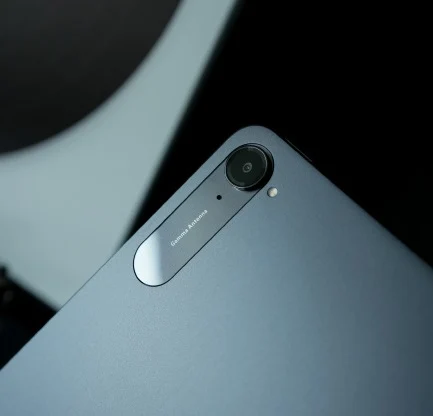
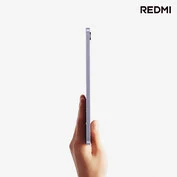
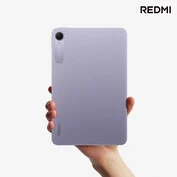
    Xiaomi showcased several images of the Redmi K Pad and the Redmi K80 Ultra on its Redmi Weibo page. The design of the Redmi K80 Ultra resembles that of its relatives, the Redmi K80 and Redmi K80 Pro, so there isn’t much new there. However, the Redmi K Pad features a sleek design that aligns with earlier reports suggesting it would have a single rear camera, similar to the iPad Mini 7, which it is targeting.

    Performance Focused

    The company is promoting the Redmi K Pad as a tablet that is easy to hold in one hand and can even fit into a pocket. In a similar vein to the Legion Y700 (4th Gen), the Redmi K Pad is aimed at performance enthusiasts and is powered by MediaTek’s Dimensity 9400+, a chipset comparable to the Snapdragon 8 Elite found in the Lenovo tablet. Both tablets have 8.8-inch LCD screens, but it seems the Redmi K Pad might face a battery challenge, as rumors suggest it will come with a 7,000 mAh battery, which is slightly less than the Legion Y700’s 7,600 mAh capacity.

    Source:
    Link


  • Redmi K Pad vs Apple iPad Mini 7: Key Specs Comparison Leak

    Redmi K Pad vs Apple iPad Mini 7: Key Specs Comparison Leak

    Key Takeaways

    1. Xiaomi has not announced a launch date for the Redmi K80 Ultra and Redmi K Pad, but they are expected soon.
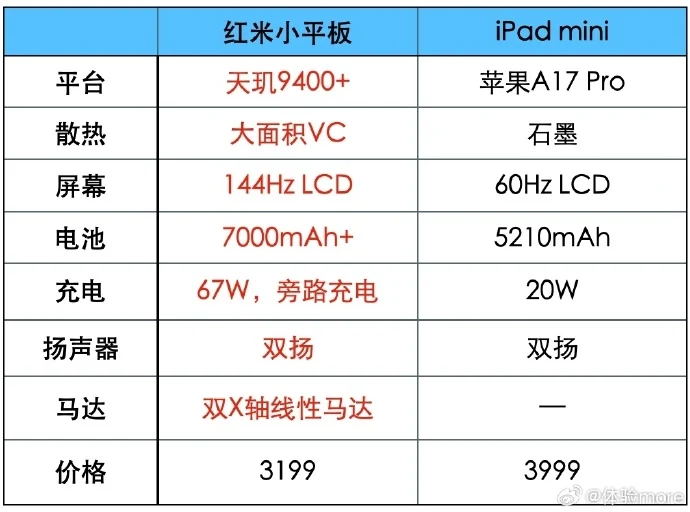
    2. The Redmi K Pad may outperform the iPad Mini 7 in performance tests, featuring an 8.8-inch LCD with a 144 Hz refresh rate.
    3. It is anticipated to be powered by the Dimensity 9400+ processor, equipped with 16 GB of RAM and a battery over 7,000 mAh supporting 67 W wired charging.
    4. The Redmi K Pad is expected to be priced lower than the iPad Mini 7, starting at CNY 3,199 ($445) compared to the iPad’s CNY 3,999 ($557).
    5. Recent leaks suggest the Redmi K Pad has significant advantages in specifications and pricing compared to the iPad Mini 7.


    Xiaomi hasn’t yet announced when it will launch its two new high-end products, the Redmi K80 Ultra and the Redmi K Pad. However, both devices are anticipated to be revealed in the next few weeks, and a recent leak has disclosed important information about the Redmi K Pad.

    Comparison with iPad Mini 7

    As per Experience More on Weibo, it seems the Redmi K Pad has been compared to Apple’s iPad Mini 7 in performance tests, with the Redmi tablet showing potential advantages on paper. Reports suggest that the Redmi K Pad will come with an 8.8-inch LCD, and the leaker mentions it could have a 144 Hz refresh rate, which is a step up from the iPad Mini 7’s 60 Hz screen.

    Specifications and Features

    The Redmi K Pad is expected to be powered by the Dimensity 9400+ processor and has already appeared on Geekbench with this chipset along with a substantial 16 GB of RAM. While the exact battery size hasn’t been disclosed, it’s rumored that the small tablet will feature a 7,000+ mAh battery, supporting 67 W wired charging, which is significantly better than the iPad Mini 7’s 5,210 mAh battery and 20 W charging capability.

    Pricing Advantage

    The expected pricing is another strong point for the Redmi K Pad when compared to the iPad Mini 7. The iPad Mini 7 is listed at CNY 3,999 ($557) in China, while the Redmi K Pad is rumored to start at a lower price of CNY 3,199 ($445).

    Source:
    Link


  • Redmi K80 Ultra & K Pad Leak on Geekbench with Dimensity 9400+

    Redmi K80 Ultra & K Pad Leak on Geekbench with Dimensity 9400+

    Key Takeaways

    1. Xiaomi will launch the Redmi K Pad and Redmi K80 Ultra later this month.
    2. Both devices are powered by MediaTek’s Dimensity 9400+ and have 16 GB of RAM.
    3. The Redmi K Pad scored 2,795 (single-core) and 8,626 (multi-core) on Geekbench.
    4. The Redmi K80 Ultra scored 2,827 (single-core) and 8,547 (multi-core) on Geekbench.
    5. Leaked packaging images confirm the devices will feature Xiaomi’s HyperOS software.


    Xiaomi has made it clear that it will soon introduce the Redmi K Pad and Redmi K80 Ultra. These two devices are set to launch later this month and have appeared on Geekbench, showcasing their computing capabilities and performance metrics.

    Device Specifications: Redmi K Pad

    The Redmi K Pad carries the model number “25079RPDCC”. It features MediaTek’s Dimensity 9400+ and has 16 GB of RAM. When it comes to performance, this pre-launch device shows promising results, achieving a single-core score of 2,795 and a multi-core score of 8,626 on Geekbench 6.

    Performance Insights: Redmi K80 Ultra

    Similarly, the Redmi K80 Ultra is identified by the model number “25060RK16C”. Much like its counterpart, it is also equipped with MediaTek’s Dimensity 9400+ and offers 16 GB of RAM. Its performance is nearly identical to that of the K Pad, registering a single-core score of 2,827 and a multi-core score of 8,547.

    Packaging Leaks and Software

    As noted by Kartikey Singh on X, images of the packaging for both the Redmi K Pad and Redmi K80 Ultra have surfaced online. Unfortunately, these leaked visuals do not provide detailed information about the devices themselves, apart from confirming the inclusion of Xiaomi’s HyperOS software.

    Source:
    Link