
Key Takeaways
1. Mercedes drivers Russell and Antonelli secured 1st and 2nd places at the season opener in Melbourne, while Ferrari’s Leclerc and Hamilton put up a strong fight.
2. Max Verstappen from Red Bull Racing finished 6th, facing challenges due to his teammate Hadjar’s engine issues.
3. The 2026 Formula 1 season features new regulations, including a 50/50 hybrid turbocharged 1.6L V6 engine paired with an electric motor.
4. Chassis designs now incorporate active aerodynamic wings and spoilers for improved performance based on track conditions.
5. The next race will be the Chinese Grand Prix in Shanghai on March 15th, prompting teams to strategize for upcoming challenges.
Sparkling blue was the sky above Melbourne’s coastal Albert Park Circuit as 11 teams and 22 drivers kicked off the first race of the FIA’s 2026 Formula 1 World Championships. Mercedes’ racers, Russell and Antonelli, took 1st and 2nd place after a tough battle against Ferrari’s Leclerc and Hamilton. On the other hand, Max Verstappen from Red Bull Racing had a challenging race, finishing at No. 6 while dealing with the absence of his teammate Hadjar, who had engine issues.
High-Speed Competition
In this global motorsport event, teams and drivers race in sleek, open-wheeled cars on 26 circuits worldwide, starting in Australia. The vehicles are the result of extensive engineering efforts, with their chassis and engines often created by different manufacturers. A strong finish relies heavily on the driver’s skill and quick thinking on the track.
New Rules and Regulations
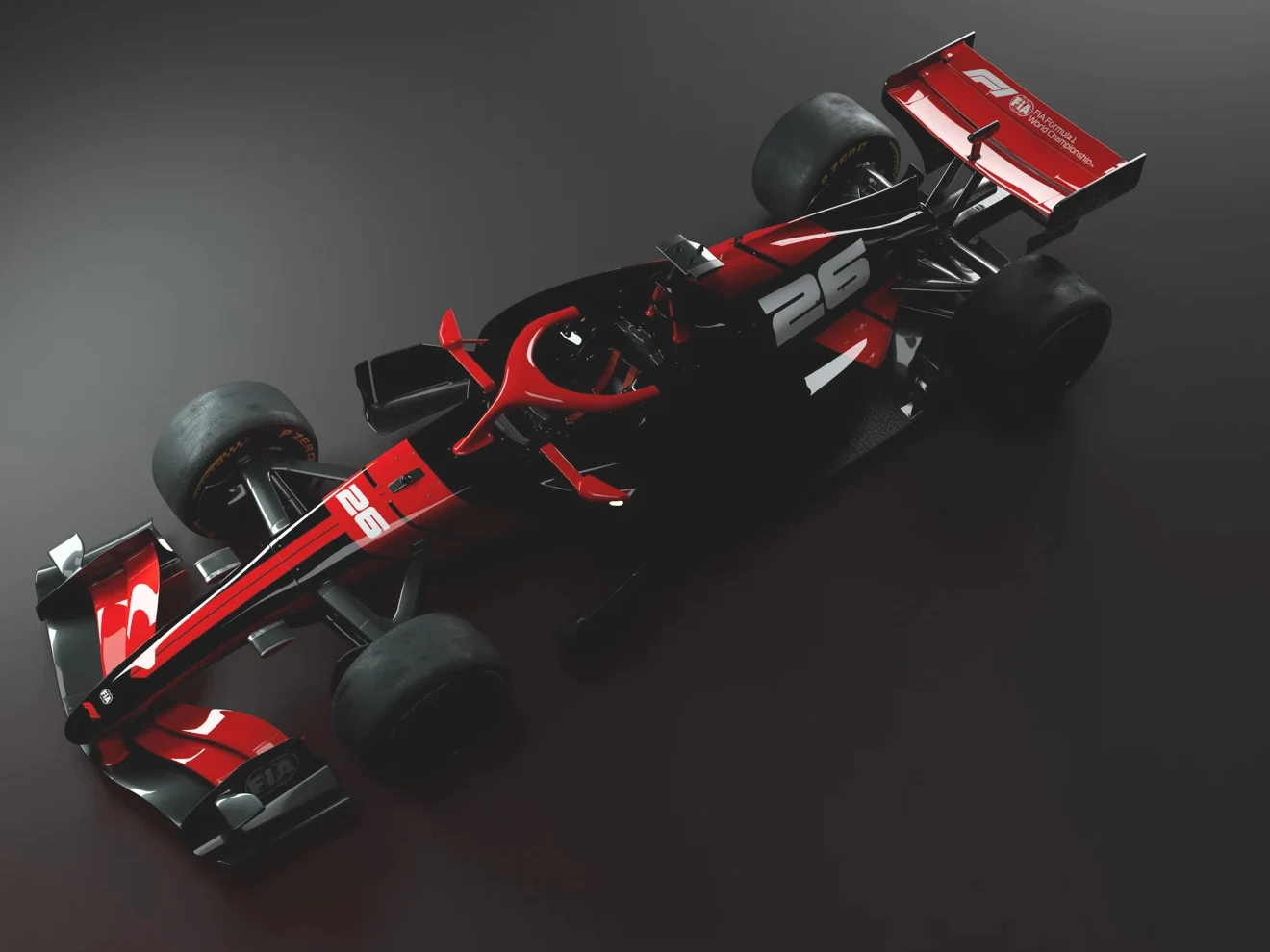
The 2026 season introduced two significant changes to Formula 1 regulations, affecting the vehicles’ drivetrains and chassis designs. The drivetrains now consist of a 50/50 hybrid turbocharged 1.6L V6 engine paired with an electric motor, a shift from the previous 20/80 balance. Additionally, the chassis now includes active aerodynamic wings and spoilers that can adjust to increase downforce while cornering and flatten out to minimize drag on straightaways. Another exciting feature allows drivers to activate a “boost” mode, unleashing their electric motor’s full 350hpw. This adds a layer of strategy, as knowing the right moment to use boost can be critical: a driver who “uses boost to overtake a rival, or defend from an attack… risks being passed easily [in a following straight]” (BBC).
Upcoming Challenges
The teams will meet once more at the Chinese Grand Prix in Shanghai next week (March 15th), bringing renewed energy and fresh strategies to the competition.
Formula1 (1, 2)
BBC
Source:
Link

