Key Takeaways
1. New 5-inch Touch Display 2 launched by Raspberry Pi with a resolution of 720 × 1280, priced at $40.
2. Specifications are identical to the 7-inch model, including a capacitive multi-touch panel and full compatibility with Raspberry Pi OS.
3. The display requires power from the host board and includes necessary cables and mounting hardware.
4. Not compatible with Raspberry Pi Zero or Pico boards; may face limitations when stacking Hardware Attached on Top (HAT) accessories.
5. Ideal for embedded applications due to its slim bezel and design, but has narrower viewing angles compared to the larger model.
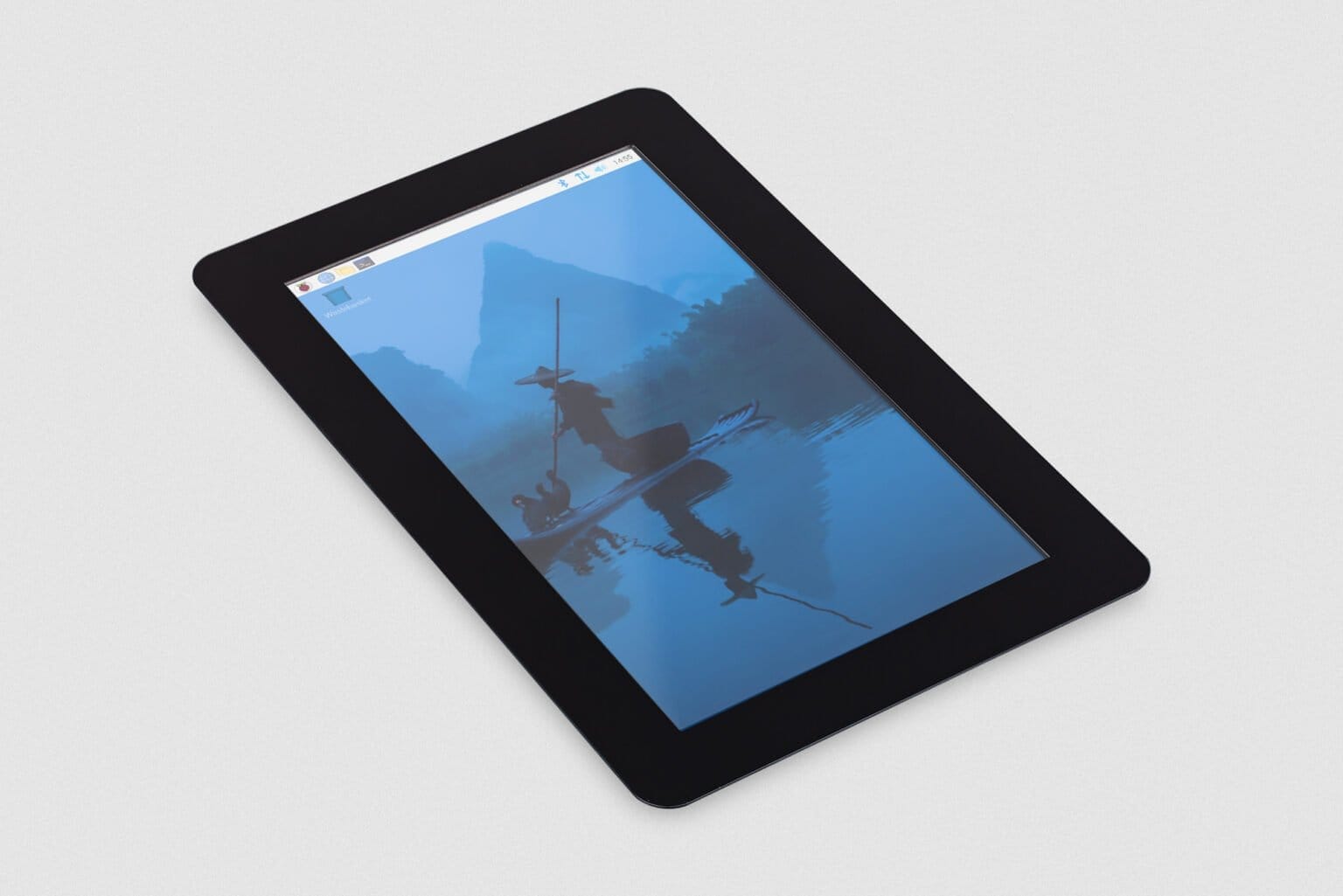
Raspberry Pi has launched a new 5-inch version of its Touch Display 2, maintaining the same resolution of 720 × 1280 (portrait) as the refreshed 7-inch model, priced at $40. This display is currently available via Approved Resellers, offering a compact plug-and-play touchscreen solution.
Specs Similar to Larger Model
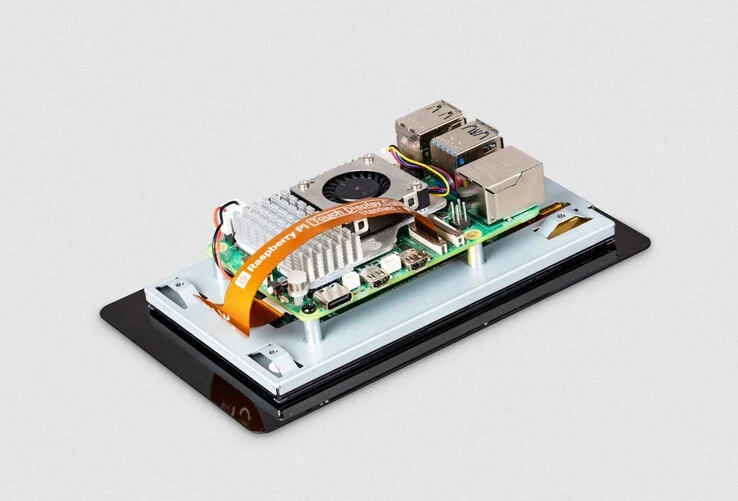
Apart from its smaller size, the specifications are identical to the 7-inch variant: it features a capacitive multi-touch panel capable of registering five-finger inputs, an active area measuring approximately 62 × 110 millimeters, and full compatibility with Raspberry Pi OS. The display receives power directly from the host board, and the package includes all necessary cables, connectors, and mounting hardware.
Technical Details and Limitations
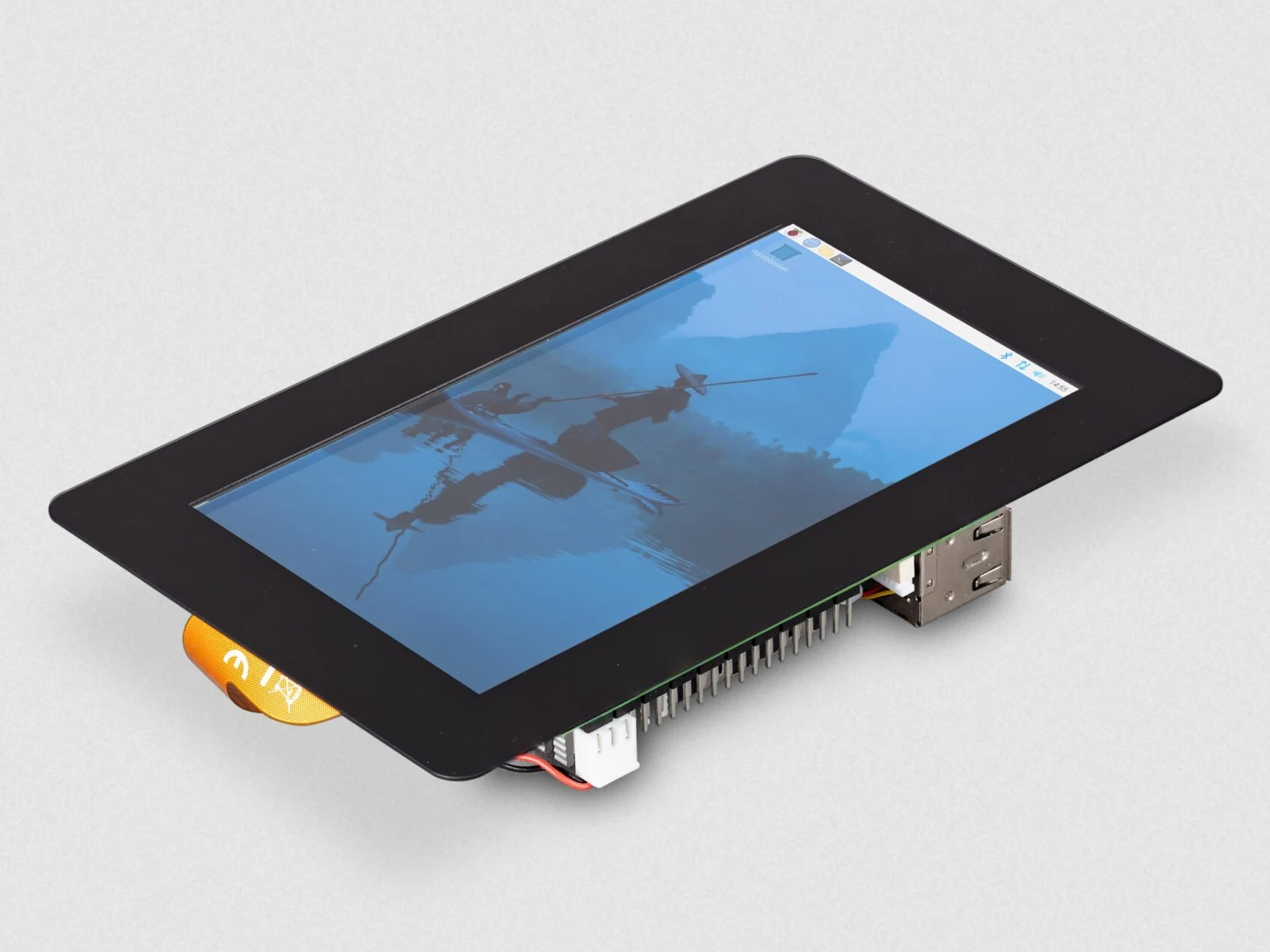
This display utilizes a 24-bit RGB LCD thin-film-transistor panel with an anti-glare coating. To set it up, you connect your board to the rear standoffs and link the display via the Display Serial Interface using the provided flat-flex cable. It’s important to note that this display is not compatible with Raspberry Pi Zero or Pico boards, and since it draws power from the General-Purpose Input/Output header, you might need an alternative solution if you plan on stacking a Hardware Attached on Top accessory. The viewing angles are somewhat narrower compared to the 7-inch model.
Ideal for Embedded Applications
The design features a slim bezel, making it ideal for recessed or enclosed installations rather than standalone use. This orientation is particularly advantageous for embedded applications like museum labels, retail point-of-sale systems, and smart-home controls that are mounted in walls or chassis, where a flush fit is beneficial.
However, there are some trade-offs to keep in mind. Since the display draws five volts from the GPIO header, stacking a HAT may necessitate a workaround, as the GPIO area is often obstructed in standard mounting setups. Additionally, the lack of support for Zero or Pico boards means that certain ultra-compact or microcontroller projects are not feasible.
Source:
Link