Tag: Raspberry Pi Compute Module 5

  • Raspberry Pi 5 NAS Board with RAID and Fast Ethernet

    Raspberry Pi 5 NAS Board with RAID and Fast Ethernet

    Key Takeaway

    1. The Radxa Taco V1.61 uses the Raspberry Pi Compute Module 5 instead of a standard single-board computer, supporting storage and networking functionalities.
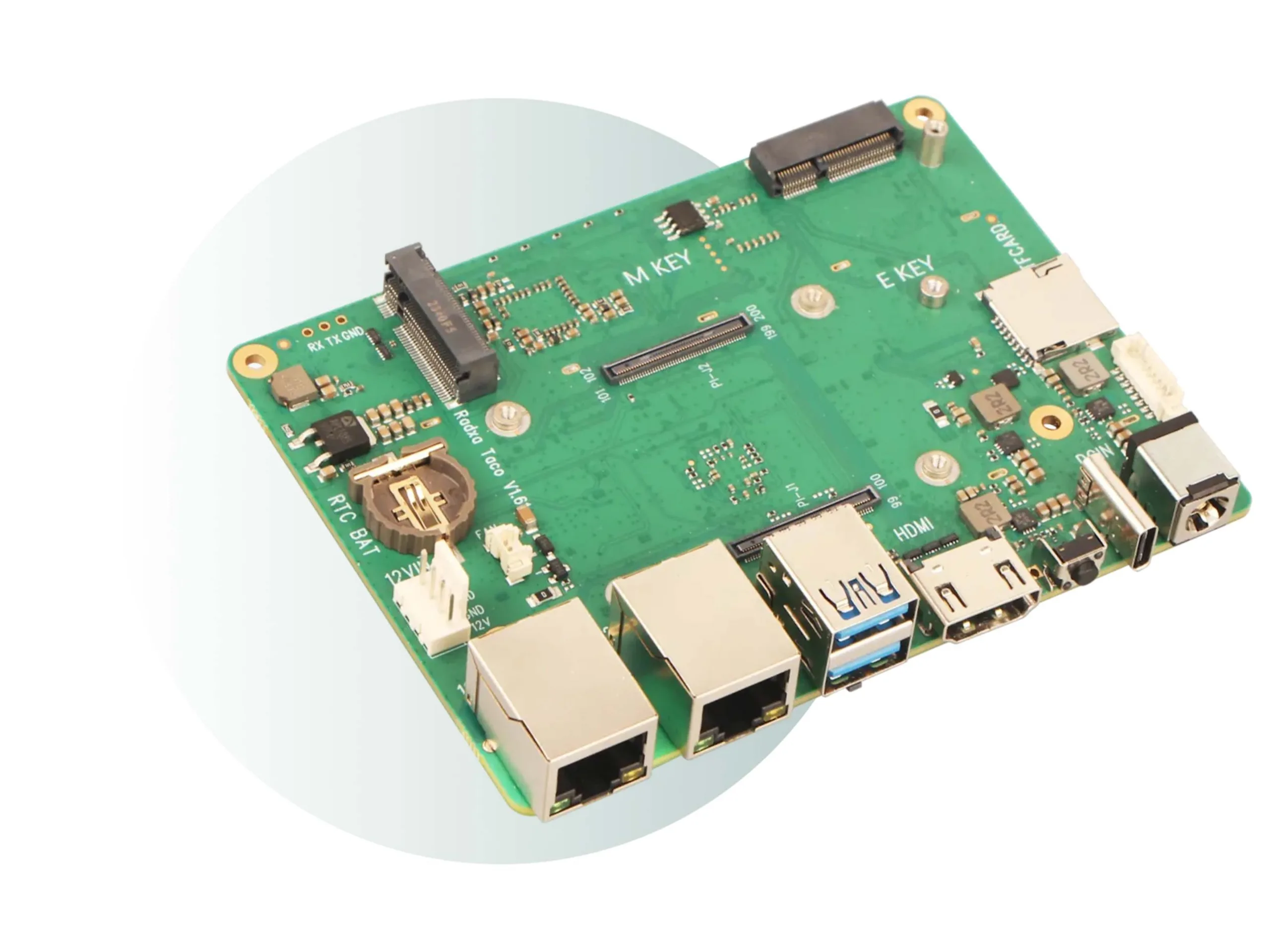
    2. It features dual Ethernet ports (1 Gbps and 2.5 Gbps), an M.2 2230 slot for wireless cards, and supports up to five storage drives (HDDs or SSDs).
    3. The device includes a microSD slot for OS installation, supports RAID configurations, and provides GPIO headers and USB 3.2 ports for additional connectivity.

    Introducing the Radxa Taco V1.61

    The Radxa Taco keep catching eyes due to its resemblance to other single-board computers, but the newest model, the V1.61, is now up for preorder. Price wise, it tags in at $65, and this does not include the Raspberry Pi Compute Module 5. Instead of the typical all-in-one SBC design, it incorporates the Raspberry Pi Compute Module 5, making it unique in its connectivity and storage options.

    Features and Connectivity

    This board packs a punch with two Ethernet ports, one providing up to 1 Gbps, and the other reaching 2.5 Gbps, breaking away from the typical Gigabit Ethernet limit. Even traditional HDDs can fully utilize these speeds, which is pretty significant. For wireless needs, there’s an M.2 2230 slot to support Wi-Fi and Bluetooth cards, greatly enhancing its networking flexibility. It is planned to support five storage devices simultaneously — be it 3.5-inch hard drives, 2.5-inch drives from laptops, or SATA SSDs, so users have many options.

    Additional Components & Usage

    It’s equipped with a microSD card slot, which is typically used to install the operating system, giving a lot of freedom but also the user’s responsibility for managing it. The board supports RAID configurations including 0, 1, 5, and 10, immensely useful for data redundancy or performance. Also, it has GPIO headers for other customizations and two USB 3.2 Gen 1 ports perfect for connecting external storage devices or peripherals.

    Conclusion and Thoughts

    Overall, the Radxa Taco V1.61 is a versatile option for those looking for a customizable SBC that can handle multiple drives and network connections efficiently. At the budget pricing point of $65 plus the Raspberry Pi Compute Module 5, it offers an affordable solution for advanced users needing extensive storage and connectivity options. This board is a promising addition to the market, especially for multimedia, network, or storage projects.
    Sources

  • Dual Touchscreen Linux Handheld Raspberry Pi Device – DSpi

    Dual Touchscreen Linux Handheld Raspberry Pi Device – DSpi

    Key Takeaways

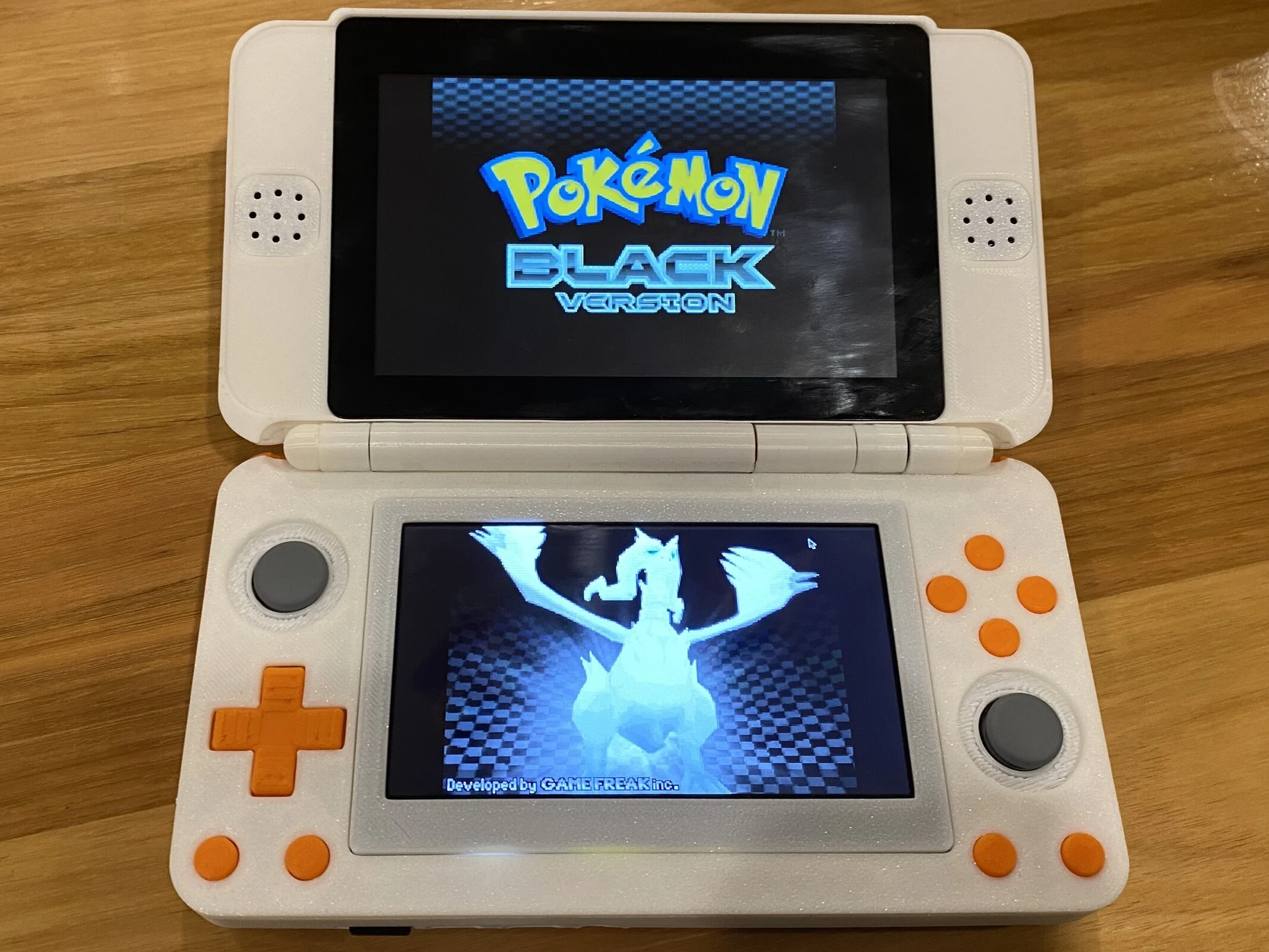
    1. The DSpi is a handheld device powered by the Raspberry Pi Compute Module 5, featuring dual touchscreens and running Linux.
    2. The project is accessible on GitHub, providing details like mainboard and case print templates for users to replicate or enhance the device.
    3. It is primarily designed for Nintendo DS emulation and includes a 5000mAh battery, Xbox-style controller, dual 480p DSI touchscreens, and stereo speakers.
    4. The suggested operating system is Rasbian, with RetroPie and MelonDS for optimal gaming performance.
    5. The DSpi is still in the experimental stage, making it best suited for experienced users willing to improve the device.


    The DSpi is a handheld device that runs Linux and has dual touchscreens, all powered by the Rasberry Pi Compute Module 5. This module brings the capabilities of the Raspberry Pi 5 into a compact form perfect for handheld use. The creator, borpendy, has made all the necessary details about the DSpi accessible on GitHub, including a mainboard template. Users can also find print templates for the case, which they can utilize with either a 3D printer or through a commercial service. However, it’s important to note that this project is still in the experimental stage. Therefore, it’s best suited for individuals who have experience and are open to making further improvements to the device.

    Specifications of the Device

    When it comes to the specifications, the creator outlines some key features of the DSpi. It is designed mainly for Nintendo DS emulation and comes equipped with a 5000mAh battery, an Xbox-style controller with dual analog sticks, and two 480p DSI touchscreens. Additionally, it has stereo speakers and a DAC with a headphone amplifier. For the best experience, the creator suggests using the Rasbian system image provided in the files. This includes RetroPie for single-screen systems and MelonDS for accurate dual-screen DS emulation, with the system image expected to be released soon.

    Final Thoughts

    Overall, the DSpi represents a unique blend of technology and gaming. With its dual screens and powerful hardware, it aims to provide an immersive gaming experience. However, users should be aware of its experimental nature and consider their own technical skills before diving into building this handheld device. The information shared on GitHub is crucial for anyone interested in replicating or enhancing the DSpi, making it a great project for hobbyists and developers alike.

    Source:
    Link


  • HackberryPi_CM5: Transform Raspberry Pi into Cyberdeck & Handheld

    HackberryPi_CM5: Transform Raspberry Pi into Cyberdeck & Handheld

    Key Takeaways

    1. ZitaoTech has launched the HackberryPiCM5, a portable Linux computer inspired by the Raspberry Pi, replacing the previous HackberryPi model.
    2. The new HackberryPiCM5 features a Raspberry Pi Compute Module 5 (CM5) with an option for 16 GB RAM, enhancing performance and reducing size by 36%.
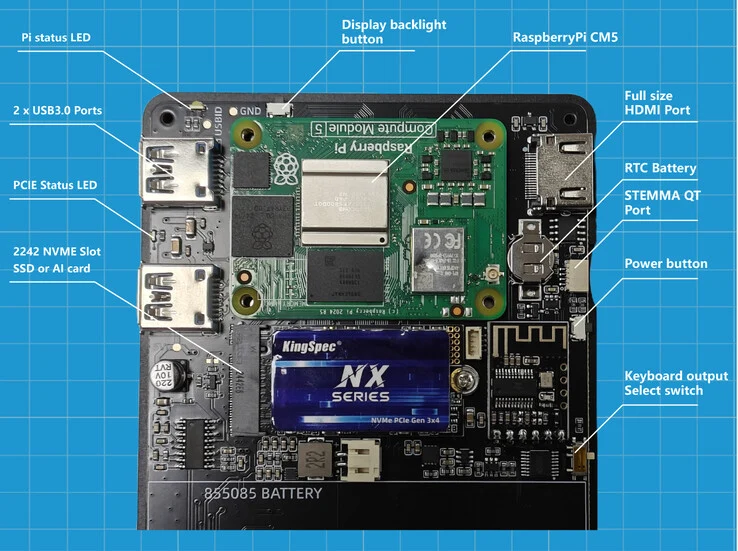
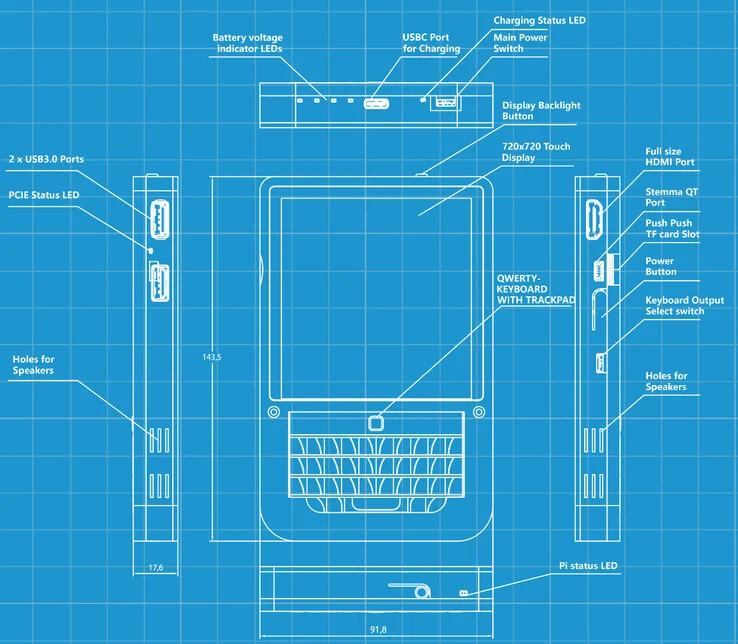
    3. The device includes an M.2 2242 slot, MicroSD card reader, RTC battery, stereo speakers, HDMI, and USB Type-A ports.
    4. It is powered by a 5,000 mAh rechargeable battery via a USB Type-C port and is compatible with modified BlackBerry keyboards.
    5. The HackberryPiCM5 is not currently for sale, but it is expected to be available in the future, likely on ZitaoTech’s Tindie page.


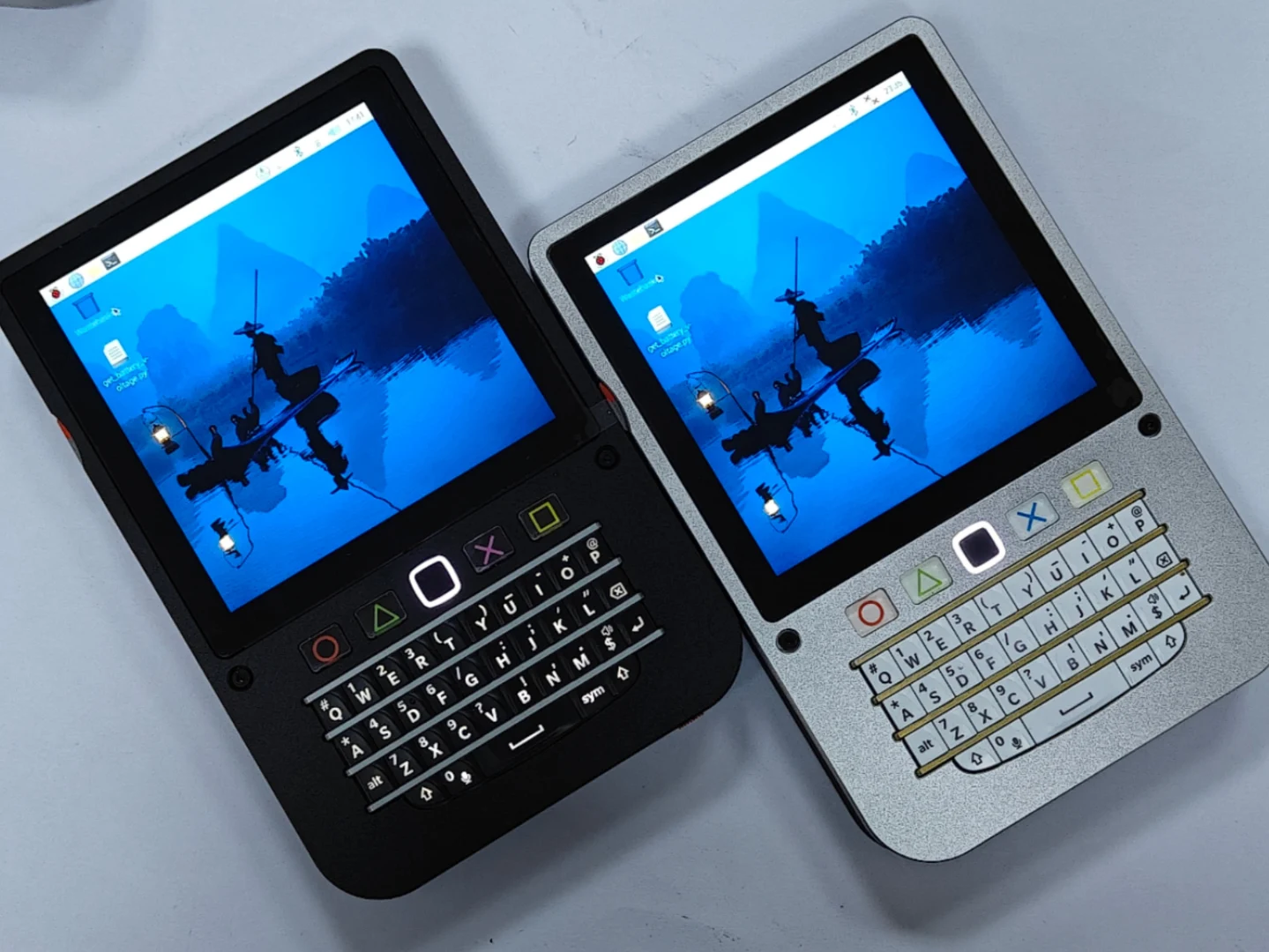
    Developer ZitaoTech has come back with a fresh portable Linux computer inspired by the Raspberry Pi, following the release of the original HackberryPi last year. To summarize, ZitaoTech created the HackberryPi using the Raspberry Pi Zero 2W, which is currently priced at $21.99 on Amazon. Now, they have launched the HackberryPiCM5, and the name hints at its internal components.

    New Specifications

    In particular, ZitaoTech has replaced the Raspberry Pi Zero 2W with the Raspberry Pi Compute Module 5 (CM5). This new model features a 16 GB RAM option that was introduced late last year. The switch to the CM5 not only enhances performance but also reduces size, as noted by Liliputing; the HackberryPi_CM5 is now 36% thinner than the previous version, measuring 17.6 mm in thickness, while standing 143.5 mm tall and 91.8 mm wide.

    Added Features

    Nevertheless, ZitaoTech has successfully incorporated an M.2 2242 slot, a MicroSD card reader, an RTC battery, and stereo speakers. It also includes ports such as HDMI and USB Type-A. Additionally, the HackberryPi_CM5 is powered by a 5,000 mAh battery that can be recharged through a dedicated USB Type-C port. The project is compatible with modified BlackBerry Q10, Q20, and 9900 keyboards.

    Availability Status

    At this moment, the HackberryPi_CM5 is not yet for sale. However, Elecrow suggests that the device will be available in the future. Thus, it’s fair to think that the HackberryPi_CM5 will also be sold on ZitaoTech’s Tindie page. For now, you can check the developer’s GitHub page for further information on their latest project.

    Source:
    Link