Tag: Raptor Lake

  • Intel Unveils New 14-Core i7 Raptor Lake-HX CPU for Budget Gaming Laptops

    Intel Unveils New 14-Core i7 Raptor Lake-HX CPU for Budget Gaming Laptops

    Key Takeaways

    1. The Intel Core i7 13645HX is a budget-friendly processor offering similar performance to the Core i7 13650HX, with 14 cores (6 performance and 8 efficiency cores).

    2. The maximum clock speed for performance cores is 4.9 GHz, while the efficiency cores have a reduced boost clock of 3.5 GHz.

    3. Integrated graphics have improved significantly, with the 13645HX featuring 32 execution units (EUs) compared to 16 EUs in the 13650HX, though performance remains modest.

    4. The new CPU supports faster DDR5-5600 memory, increasing maximum memory bandwidth to 89.6 GB/s, enhancing overall capabilities, especially for integrated graphics.

    5. Both the Core i7 13645HX and 13650HX perform similarly in multithreaded applications and compete well against newer CPUs like the Intel Core Ultra X9 388H “Panther Lake.”


    Intel has recently introduced a new laptop CPU aimed at budget-friendly mid-range laptops, named the Core i7 13645HX. This processor is part of the Raptor Lake family and offers nearly the same performance capabilities as the Core i7 13650HX.

    Specifications and Performance

    The design remains unchanged, featuring a configuration of 14 cores, which includes six high-performance cores and eight high-efficiency cores. The maximum clock speed for the performance cores remains at a peak turbo frequency of 4.9 GHz. However, the boost clock for the efficiency cores has been decreased by 100 MHz, now maxing out at 3.5 GHz. The CPU retains a smart cache of 24 MB, along with a peak thermal design power (TDP) of 157 watts.

    Graphics Upgrade

    In terms of integrated graphics, there’s a significant enhancement. While the 13650HX comes with an Intel UHD iGPU that has 16 execution units (EUs), the 13645HX upgrades this to a robust 32 EUs. Nevertheless, the performance of this entry-level integrated graphics unit will still be fairly modest.

    Memory and Bandwidth

    The new CPU also supports DDR5-5600 memory, an improvement over the DDR5-4800 support of the 13650HX. This naturally leads to increased maximum memory bandwidth, which has risen to 89.6 GB/s from 76.8 GB/s. This upgrade is expected to positively impact the iGPU’s performance, leading to better overall capabilities. However, it’s likely that most laptops featuring this chip will come with discrete GPUs, making the iGPU improvements less significant for many users.

    Multithreading and Competition

    When it comes to multithread performance, both the Core i7 13645HX and the 13650HX should perform similarly. The latter competes well against the 25-watt Intel Core Ultra X9 388H “Panther Lake” in multicore tests, which is notable given that the i7 is approaching three years old now.

    Gamers looking for laptops equipped with more advanced CPUs can explore the Core Ultra 7-powered Legion 5i available on Lenovo.com, which is now offered at a 22% discount for a limited time.

    Source:
    Link


  • Intel’s Lunar Lake AI PCs Struggle Sales Compared to Raptor Lake

    Intel’s Lunar Lake AI PCs Struggle Sales Compared to Raptor Lake

    Key Takeaways

    1. AI Trend Race: Since ChatGPT’s launch in late 2022, companies are rushing to leverage AI for marketing, with Microsoft promoting AI in its Windows laptops through initiatives like “CoPilot+ PC.”

    2. Chip Development: Intel and AMD are focusing on creating specialized “AI PC” chips for laptops, with Intel releasing its Core Ultra 100 and 200 APUs, while AMD has included “AI” in the names of its latest mobile chips.

    3. Consumer Preferences: Intel has seen a shift in consumer demand, favoring older Raptor Lake laptops over newer AI-focused models, leading to a shortage in production capacity for those older models.

    4. Marketing Challenges: The marketing strategies for Intel and AMD’s new processors have been ineffective, lacking engaging use cases that highlight their strengths, such as battery life and gaming capabilities.

    5. Future Insights: AMD’s upcoming earnings call will reveal whether its Ryzen AI-based laptops are performing better in the market compared to Intel’s recent offerings.


    Since ChatGPT’s launch in late 2022, a new race in AI has begun, prompting firms of all sizes to cash in on the “AI” trend. Microsoft also wanted in on the action, aiming to promote its Windows laptops through AI marketing. Last year, they rolled out the “CoPilot+ PC” initiative to certify laptops that achieve a certain level of machine learning performance.

    Chip Makers in the AI Game

    Both Intel and AMD, the leading manufacturers of Windows PC chips, have been developing “AI PC” chips tailored for laptops. Intel kicked off its AI PC journey with the Core Ultra 100 Meteor Lake APUs in 2023, which was followed by the Core Ultra 200 Lunar Lake APUs last year. AMD, not to be outdone, went a step further by incorporating “AI” into the names of their newest mobile APUs.

    Consumer Preferences Shift

    However, it appears that Intel’s pursuit of the AI PC trend hasn’t yielded the expected results. Intel has disclosed that buyers are leaning towards older Raptor Lake mobile laptops instead of the newer Meteor Lake/Lunar Lake models. In their recent Q1 2025 earnings call, Intel mentioned that the rising interest in older Raptor Lake and Alder Lake laptops has led to a shortage in their Intel 7 process capacity. This increased demand for the 13th-generation Raptor Lake laptops is largely attributed to their lower price point. The company stated that laptop manufacturers are “hedging their bets” due to “macroeconomic concerns and tariffs.”

    Marketing Missteps

    Taking cost factors into account, it’s worth questioning whether the Meteor Lake and Lunar Lake laptops were effectively marketed to the public. Over the last couple of years, Intel and AMD have branded their products as ready for the AI era, highlighting larger NPUs and more advanced iGPUs. Yet, without engaging use cases, the whole AI PC narrative appears to have unraveled.

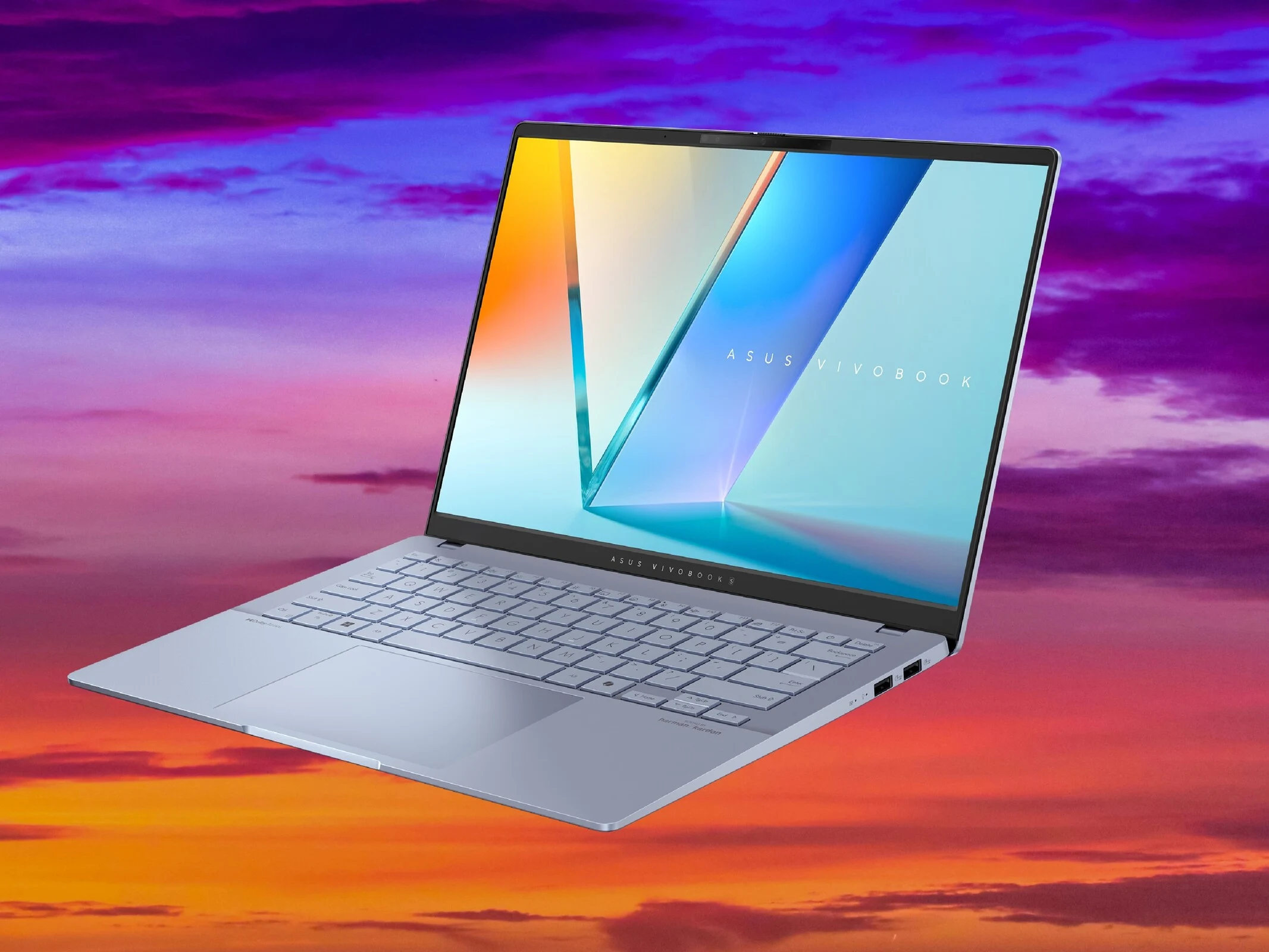
    As noted by Hardware Canucks on X, things could have turned out differently if the latest Intel and AMD processors had been marketed based on their true strengths. For example, laptops featuring Intel’s Lunar Lake APUs, such as the latest Vivobook S 14, can finally claim battery life comparable to that of Apple MacBooks.

    In addition, with the recent Arc and Radeon iGPUs, users can enjoy modern gaming on sleek, lightweight devices. These significant selling points haven’t been effectively utilized by Intel, AMD, and Microsoft, overshadowed by the AI PC jargon.

    AMD is set to hold its earnings call next, and as Tom’s Hardware highlights, it will be fascinating to see if the Ryzen AI-based laptops are mirroring Intel’s path or performing better compared to AMD’s previous generation chips.

    Source:
    Link

  • Intel Core 270H Leak: 14-Core Mobile CPU Hits 5.8 GHz

    A recent leak has shown Intel’s upcoming mobile processors, giving us insight into seven new chips from the Core 200H and Core 200U series. A popular hardware leaker, Jaykihn, shared these details on X, highlighting the Raptor Lake refresh products.

    Core 270H: The Performance Beast

    At the forefront is the Core 270H, engineered for top-tier performance. This processor features 14 cores, with six designed for high performance and the other eight dedicated to efficiency. It kicks off at a base clock of 2.1 GHz but can elevate to an impressive 5.8 GHz when pushed to its limits.

    Diverse Options in the 200H Lineup

    The Core 200H series includes five distinct models catering to various performance levels. The Core 250H maintains the 14-core configuration of the 270H but scales back slightly, reaching a boost of 5.4 GHz. The Core 240H, on the other hand, provides ten cores with a maximum boost of 5.2 GHz, while the Core 220H has 12 cores and peaks at 4.9 GHz. For those looking for budget options in the H-series, the Core 210H offers eight cores and can achieve a boost clock of 4.8 GHz.

    U-Series Chips for Lightweight Devices

    Intel is also introducing two U-series processors designed for thin laptops and entry-level notebooks. The Core 250U and Core 220U each come equipped with ten cores, split into two performance and eight efficiency cores. The 250U operates at a 1.1 GHz base frequency and can ramp up to 5.4 GHz when needed, whereas the 220U starts at 0.8 GHz and reaches a maximum of 5.0 GHz. Both of these U-series processors include 12MB of L3 cache and maintain a thermal design power (TDP) of 15W for better cooling.

    Not Competing with Core Ultra Lineup

    These new 200 series chips won’t interfere with Intel’s Core Ultra lineup. Instead, they utilize the Raptor Lake architecture, while the Core Ultra processors, such as the 200V and 200H/HS, are built on the newer Lunar Lake or Arrow Lake architectures. Anticipate the launch of these new 200-series processors sometime next year, likely around the same period as the Core Ultra 200H/HX Arrow Lake processors.

    Techspot (translated in English) via @jaykihn0 (translated in English).


  • Intel Raptor Lake Core i5-14400: A Benchmark Revelation Before 2024 Release

    Intel Raptor Lake Core i5-14400: A Benchmark Revelation Before 2024 Release

    As the tech realm eagerly awaits the advent of Intel‘s 14th Gen Core series, a benchmark leak of the Intel Core i5-14400 CPU from the Raptor Lake lineup has surfaced, providing a tantalizing glimpse into the promising capabilities of this upcoming chip. The i5-14400 is the first non-K CPU in the new series to make an appearance right before the platform’s first review, marking a significant milestone for Intel and the broader computing community.

    Benchmark Prowess

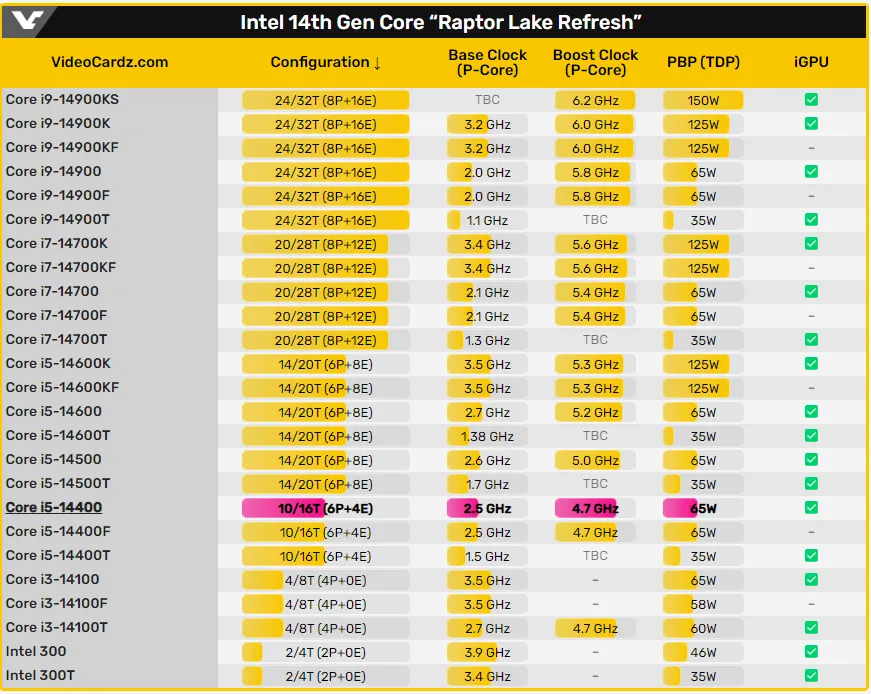
    The leaked benchmark portrays the Core i5-14400 as a mid-range marvel with a total of 10 cores, comprising 6 P-Cores and 4 E-Cores, thus providing a total of 16 threads courtesy of hyper-threading technology. The CPU is reported to have a base clock of 2.5 GHz, with the ability to boost up to a striking 4.7 GHz. When pitted against its predecessors in Geekbench tests, the i5-14400 outshines the 13400 model, showcasing around 8.5% faster single-core performance and an impressive 28% surge in multi-core performance. This notable uptick in multi-core performance hints at the possibility of some form of overclocking being at play, given that a mere 100 MHz increase in clock speed typically wouldn’t yield such a substantial improvement in performance​1​.

    Intel Raptor Lake Core i5-14400: A Benchmark Revelation Before 2024 Release

    Competitive Edge

    In comparison to the i5-13490F, a special edition tailored for the Chinese market with a 4.8 GHz boost clock, the Core i5-14400 slightly trails in single-core performance when tested on the same platform, including the same motherboard. However, the multi-thread (MT) score remains on par, displaying the competitive edge that this new entrant is poised to bring to the table. This balanced performance between single-core and multi-core processing delineates a CPU capable of handling a variety of tasks efficiently​1​.

    A Glimpse into the Future

    The emergence of the Core i5-14400 is not merely a testament to the chip’s prowess but also signifies the conclusion of the LGA1700 socket platform and Intel’s existing naming convention. As Intel transitions towards its Arrow Lake series slated to debut alongside the LGA1851 platform by the end of the following year, the Core i5-14400 and other 65W desktop CPUs set to launch in early 2024 embody the bridge to this new era of computing​1​.


    The benchmark leak of the Intel Core i5-14400 CPU has undoubtedly stirred excitement within the tech community, offering a sneak peek into the level of performance we can anticipate from the 14th Gen Core series. As Intel gears up for the official unveil, tech enthusiasts and professionals alike are keenly watching the horizon for what promises to be a significant leap forward in mid-range computing capabilities.


    Source: VideoCardz1​.