
Key Takeaways
1. Sharing an electric toothbrush by swapping heads can lead to premature wear and damage.
2. Constantly removing and reattaching brush heads puts stress on the toothbrush’s internal mechanisms.
3. The Philips Sonicare ProtectiveClean 4500 can experience mechanical issues after frequent head swaps.
4. Warranty replacements may not solve the underlying problem of wear from head swapping.
5. Each person should have their own electric toothbrush for better durability and performance.
Back in 2022, I purchased a Philips Sonicare ProtectiveClean 4500 because it provided excellent value for its performance. My girlfriend and I only used an electric toothbrush at home and switched to manual brushing while traveling, so we thought sharing the Sonicare would help us save some cash. Looking back, that turned out to be a mistake. Over the last three years, we ended up wearing out two electric toothbrushes this way.
The Head Swapping Hassle
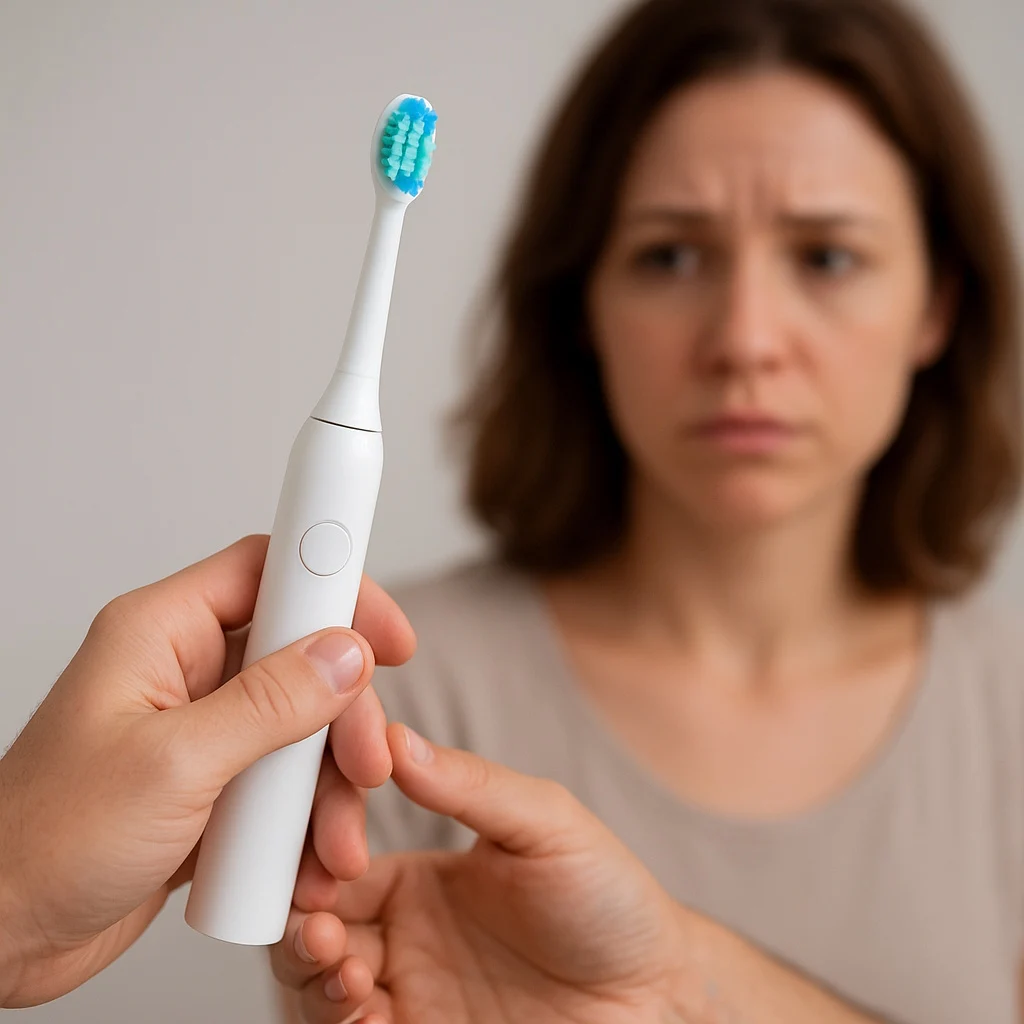
Each of us used our own brush head, which meant we had to remove and reattach the head every time one of us brushed. After around 18 months, the first unit broke down: overnight, the metal post holding the brush head got loose, the toothbrush got at least twice as loud, and effective brushing became impossible.
We thought it was just bad luck. Luckily, the device was still under warranty, so we sent it back. Rather than getting it fixed, we received practically a new unit, which was awesome. But about a year later, we faced the same issue again—the brush-head mount had loosened, and the entire mechanism vibrated much more than it should. We figured it was a flaw in this Philips model without thinking too deeply about it.
Understanding the Real Problem
A more realistic explanation is that electric toothbrushes aren’t built for swapping brush heads twice a day. Manufacturers expect each person to have their own device. The constant effort to pull and push while changing the brush head puts unexpected stress on the internal parts. Over time, that pressure can damage the connections and wear out the toothbrush from the inside.
So we’ve learned our lesson—and haven’t bought a new one since. When we finally decide to replace it, we’ll each be getting our own model. In the long run, this might even prove to be the better choice for our wallets.