
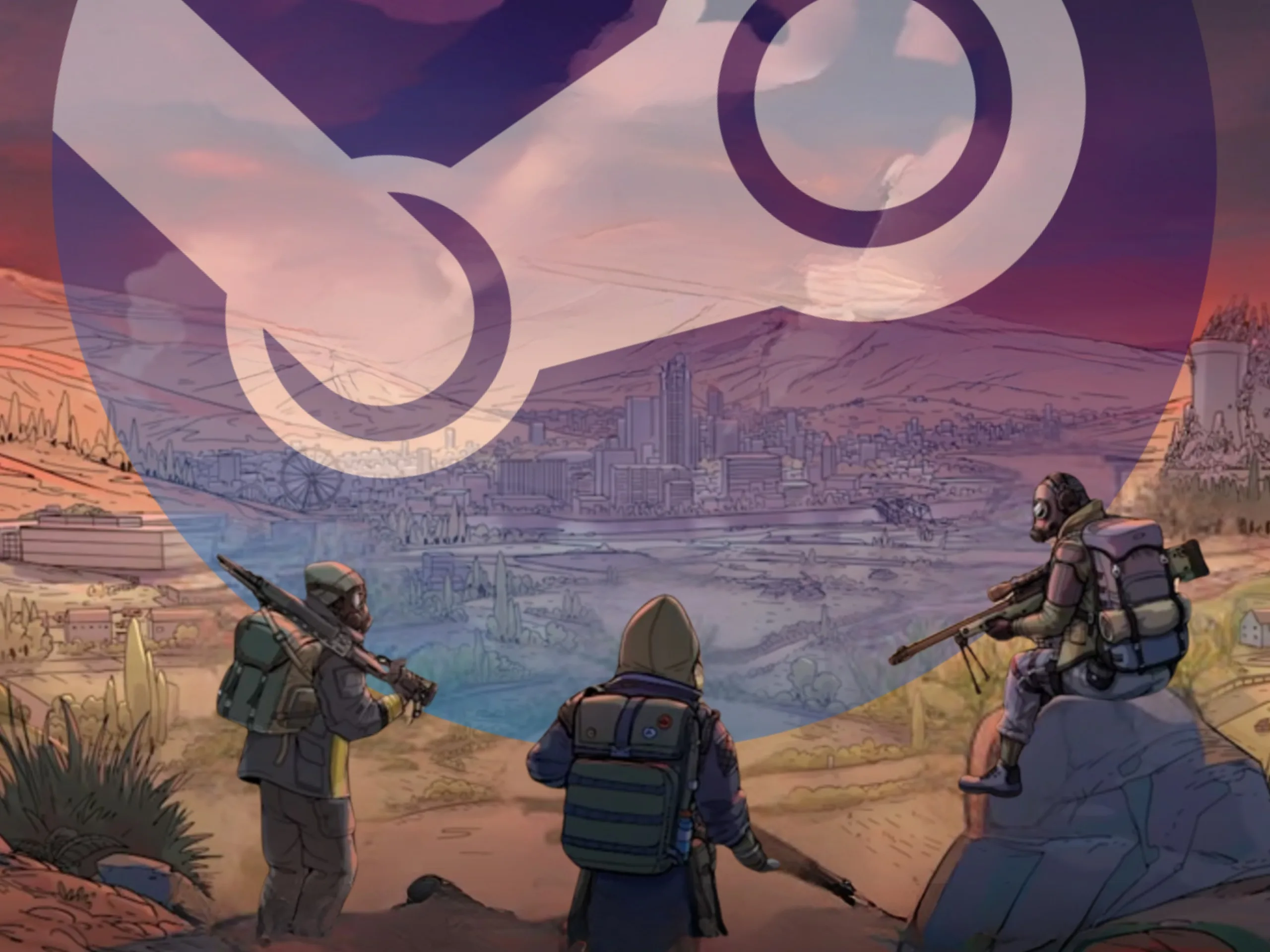
– Co-op raids for up to four players with shared progress, enhancing teamwork and loot opportunities.
– Major upgrade to modern graphics and fully rendered environments while preserving a top-down, tactical extraction-shooter feel.
– New features include dynamic weather, persistent relics with passive/active abilities, and procedurally generated, high-stakes raids.
ZERO Sievert 2 is being developed by Underdog and aims to build on the surprise success of ZERO Sievert from 2022.
In this paragraph, the author writes with a casual tone, repeating the core idea that the sequel follows the unexpected triumph of the first title created by Luca Carbonara, who worked solo. The writing here keeps a reflective mood, noting how the game captured a niche audience yet achieved commercial success, and it mentions fans of Escape from Tarkov and S.T.A.L.K.E.R. who praised the blend of extraction gameplay, survival mechanics, and a dark, pixel-art atmosphere that set the original apart. The language meanders through context without getting overly technical, aiming to preserve a sense of the first game’s spirit while hinting at the upcoming ambitions for the sequel.
Sequel goals and visuals
This paragraph shifts to a more modern descriptive style, touching on the sequel’s aim to reach higher horizons. The setting remains Zakov, a post-apocalyptic region, but it emphasizes a major graphics upgrade that promises modern visuals and richer environments. The top-down perspective stays, yet the signature pixel-art look is cast aside to make way for a more contemporary aesthetic. The writer pauses to acknowledge the tension between preserving identity and embracing new tech, suggesting that fans might experience a sense of evolution through improved visuals and atmosphere.
New features and co-op emphasis
The tone here becomes practical and news-like, detailing the core focus on dangerous raids inside procedurally generated areas where players contend with bandits, mutants, hostile factions, and dangerous anomalies. It lists the new elements like dynamic weather (fog, snowstorms, acid rain) and relics with both passive and active abilities. The standout addition is co-op for up to four players, enabling shared raids, quests, and loot. Notably, each player maintains their own progress, experience, and gear, which is highlighted to stress a persistent sense of individual advancement within a shared experience.
Community reception and identity concerns
The commentary here captures reactions from fans, emphasizing broad enthusiasm for co-op, which many considered the first game’s missing piece. The piece notes that the graphical upgrade is well received, with some calling it an evolutionary leap, while others worry about losing the game’s pixel-art identity as visuals shift toward modern fidelity. The writing acknowledges these mixed feelings, presenting them as part of the ongoing discussion about how the game should balance nostalgia with innovation.
Comparisons and positioning
This paragraph contrasts ZERO Sievert 2 with ARC Raiders, placing both within the extraction-shooter genre and stressing shared themes of risky loot runs, co-op play, and perilous game worlds. It explains that ARC Raiders leans toward PvPvE and cinematic third-person action, whereas ZERO Sievert 2 is presented as a more tactical PvE experience. The author suggests that players seeking a non-PvP tense scenario could feel at home here, and concludes that while it might not surpass ARC Raiders, it offers a distinct, PvE-heavy alternative that could enrich the genre’s landscape.