Key Takeaways
1. Intel’s Core Ultra 200S processors have shown significant performance improvements over the past year, with the flagship model being 9% faster due to software enhancements.
2. The power consumption of the Core Ultra 9 285K has decreased to 85% of its initial power usage, representing a 15% reduction in energy consumption.
3. No performance regressions were found in various real-world applications during recent testing, indicating stable improvements across different workloads.
4. Future performance improvements on Windows are anticipated, with Intel’s Application Performance Optimizations (APO) expected to enhance gaming and productivity metrics.
5. An “Arrow Lake Refresh” line is expected to launch in early 2026, potentially featuring improved software integration from the start.
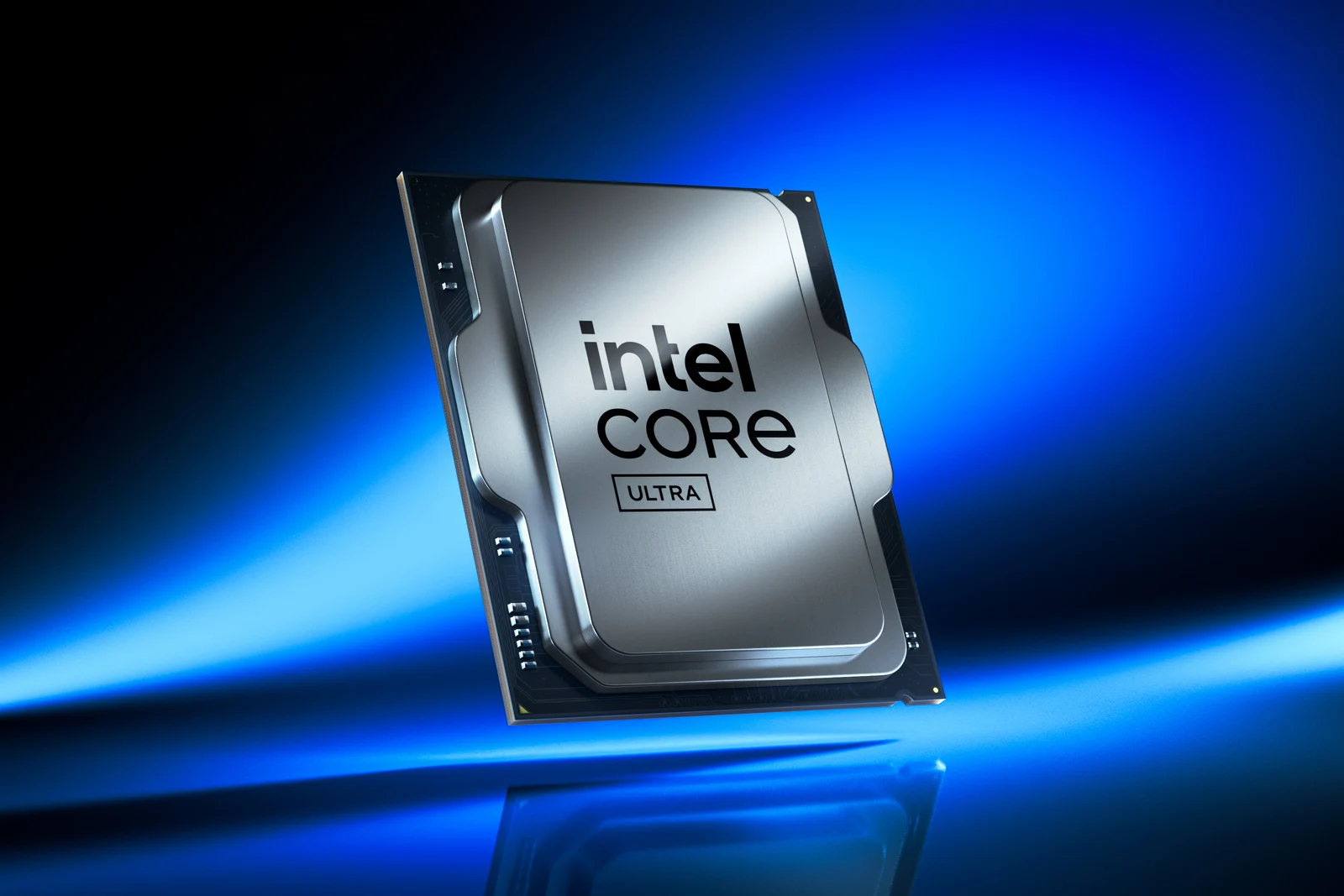
Intel’s desktop Core Ultra 200S “Arrow Lake-S” processors did not create much excitement among DIY enthusiasts upon their launch, but recent testing indicates the platform has improved more than anticipated over the past year. With a year’s worth of software enhancements, the performance is now noticeably better than it was at launch, while also using significantly less power.
Performance Gains
New Linux benchmarks from Phoronix reveal that the flagship Core Ultra 9 285K is now, on average, about 9% faster than it was a year ago, thanks solely to software tweaks. Equally important is the fact that this performance increase does not come at the expense of efficiency; the same chip now consumes only about 85% of the power recorded during initial tests — a reduction of roughly 15%.
No Regressions Observed
Phoronix reports that no regressions were found across any of the workloads tested, which included a diverse range of real-world applications such as code compilation, compression, web benchmarks, HPC, and simulation tasks, among others. For Intel, these findings are promising. Arrow Lake’s initial reception was mixed, especially among DIY desktop builders, but the latest performance results suggest that the platform is greatly benefiting from improved microcode, kernel changes, and optimizations at the compiler level.
Future Considerations
The main question now is whether similar performance improvements will be evident on Windows, where most gamers and regular users are. To boost performance on Windows, Intel previously introduced the Application Performance Optimizations (APO) software suite. This technology works at the driver level to automatically detect software requirements and allocate CPU resources in real time to enhance application performance. There are no definitive independent results available yet, but productivity is expected to have increased as well. Intel claims that its software stack has already led to frame rate enhancements of up to 14% and improvements of up to 21% in 1% lows for certain gaming workloads in Windows 11.
Looking Ahead
In the future, Intel is gearing up for an “Arrow Lake Refresh” line expected to launch in the first quarter of 2026. These new chips may debut in a more advanced software environment right from the start. Perhaps a version of Intel’s APO will be integrated from the outset.
Phoronix
Source:
Link