
Key Takeaways
1. The Neil Gehrels Swift Observatory, launched in 2004, is at risk of crashing to Earth by the end of 2026 due to its diminishing orbit from 600 km to 400 km.
2. NASA faces challenges as Swift lacks an engine, limiting maneuvers and prompting the need for a rescue mission using the Pegasus rocket.
3. Pegasus, launched from Northrop Grumman’s L-1011 Stargazer aircraft, is the only rocket capable of reaching Swift’s orbit quickly, with a strong success rate.
4. The Pegasus XL rocket is scheduled to launch in June 2026 and will use robotic arms to capture Swift, requiring careful handling of its instruments.
5. A successful mission would restore Swift’s orbit and research capabilities while benefiting Katalyst and potentially leading to future missions.
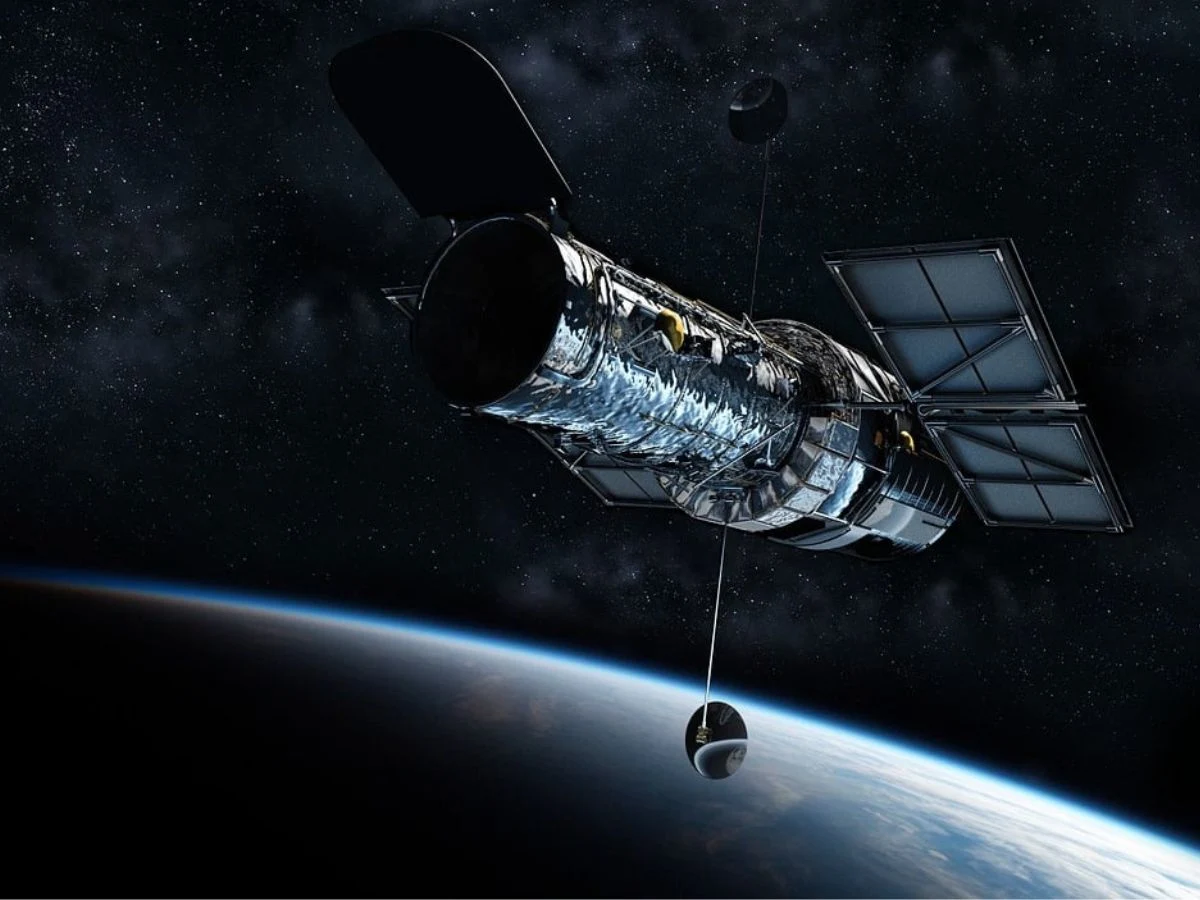
Launched in 2004, the Neil Gehrels Swift Observatory has the goal of observing and examining gamma-ray bursts from its low orbit. Yet, in recent years, its orbit has diminished from 600 km to 400 km, raising concerns that it might crash back to Earth by the end of 2026.
NASA’s Dilemma
It’s important to note that NASA is in a tricky situation. Swift lacks an engine, which limits astronomers’ ability to perform various maneuvers. Consequently, a rescue mission has been initiated, and the Pegasus rocket, which is launched from Northrop Grumman’s L-1011 Stargazer aircraft, will need to come to its aid.
The Solution
Ghonhee Lee, the CEO of Katalyst, mentions that Pegasus is the sole launcher capable of reaching Swift’s orbit while adhering to a very short timeline. This mission has a good chance of success, given that Pegasus has accomplished 40 out of 45 missions since 1990. Nonetheless, some adjustments will be necessary for this rocket, making it longer and wider.
The Launch Plan
The Pegasus XL rocket is set to launch in June 2026 and will utilize three robotic arms to capture the Swift. It’s essential to take care not to harm the various instruments on this telescope, so careful handling will be crucial.
If all goes well, Swift should return to its initial orbit, allowing it to resume its important research. Furthermore, a successful mission would also benefit Katalyst, potentially opening doors for future missions.
Source:
Link