Tag: PC Shipments

  • China PC Market Q1 2025: Lenovo Ranks First in Sales

    China PC Market Q1 2025: Lenovo Ranks First in Sales

    Key Takeaways

    1. PC Shipments Growth: PC shipments in mainland China reached 8.9 million units, marking a 12% year-over-year increase.

    2. Surge in Tablet Shipments: Tablet shipments rose to 8.7 million units, showing a 19% increase, driven by government subsidies encouraging device upgrades.

    3. Mixed Commercial Sector Trends: The commercial PC market remains stagnant, with large enterprises’ purchases unchanged and SMBs showing a slight 2% recovery.

    4. Lenovo’s Market Leadership: Lenovo maintained its top position with 2.63 million units shipped, holding a 30% market share despite a 3% decline from the previous year.

    5. Future Market Predictions: Canalys forecasts a flat PC market for the rest of 2025, with a slight growth of 6% expected in 2026, while tablet growth is anticipated to be 5% this year, followed by an 8% decline next year.


    PC and tablet shipments in mainland China experienced moderate growth in the first quarter of 2025, as per fresh insights from Canalys. The data indicates that PC shipments, excluding tablets, hit 8.9 million units in the region, marking a 12% increase year-over-year.

    Tablet Growth Surges

    On the other hand, tablet shipments rose to 8.7 million units, showcasing a 19% increase compared to the same timeframe last year. The report highlights that the Chinese government’s subsidy program is significantly contributing to this growth. These incentives are encouraging consumers to replace older devices, notably notebooks, which observed a notable rise of 20% versus Q1 2024.

    Mixed Signals in the Commercial Sector

    Despite positive trends in some areas, not all sectors are experiencing growth. The commercial PC market has been somewhat stagnant. According to Canalys, purchases by large enterprises remained unchanged, while the small and medium-sized business (SMB) sector exhibited a slight recovery after nearly three years of decline, growing by 2% over the past year.

    Lenovo Remains Dominant

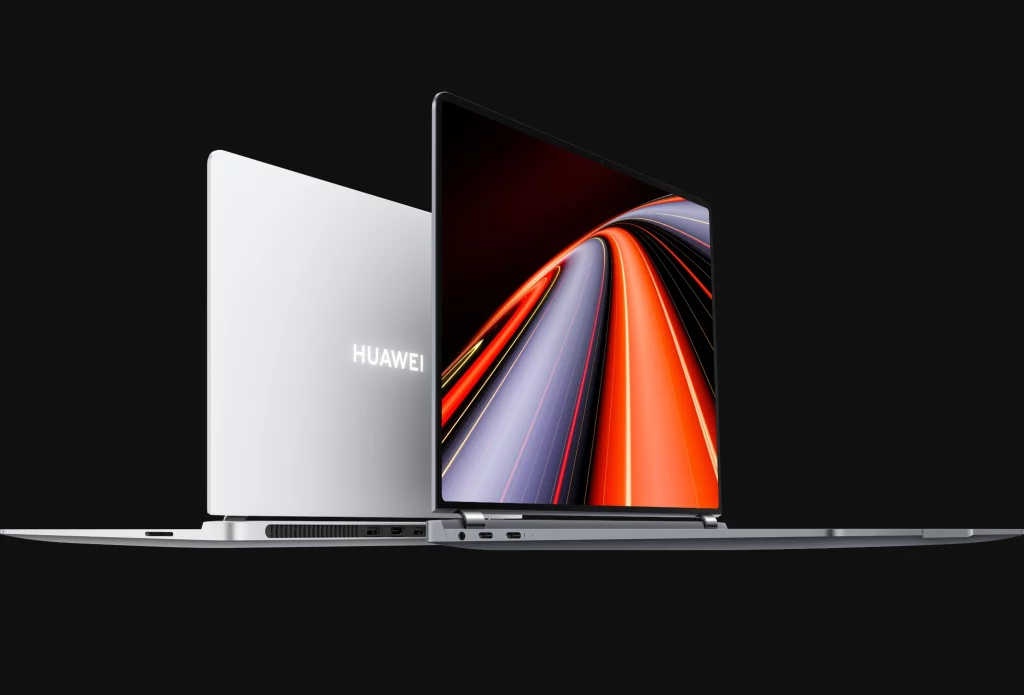
    In terms of PC vendors, Lenovo held the top position with 2.63 million units shipped, capturing a 30% market share. Nonetheless, this was a 3% drop compared to Q1 2024. Huawei followed closely with 1.04 million units shipped, securing a 12% market share and an 8% growth. iSoftStone, another Chinese PC manufacturer, shipped 890,000 units in the first quarter of 2025, reflecting a remarkable 111% year-over-year growth, thus reaching a 10% market share.

    Apple and HP’s Performance

    Apple and HP completed the top five, with Apple experiencing a 43% increase to 680,000 units, equating to an 8% market share, while HP saw a 7% decline, shipping 640,000 units for a 7% market share.

    Tablet Market Leaders

    In the tablet sector, Huawei led with 2.3 million units shipped, achieving a 26% market share, closely trailed by Apple at 2.1 million units, which is a 24% share. Xiaomi recorded the highest year-over-year growth at 57%, with 1.4 million units shipped. Honor and Lenovo followed, with Honor increasing by 41% to 900,000 units, and Lenovo experiencing a 23% decline to 500,000 units.

    Future Outlook

    Looking forward, Canalys predicts a flat PC market for the remainder of 2025, with a slight 6% growth anticipated for 2026. The tablet market is expected to grow by 5% this year, but it will face an 8% decline in the following year.

    Source:
    Link


  • PC Shipments Rise 4.9% in Q1 Amid China Tariff Supply Risks

    PC Shipments Rise 4.9% in Q1 Amid China Tariff Supply Risks

    Key Takeaways

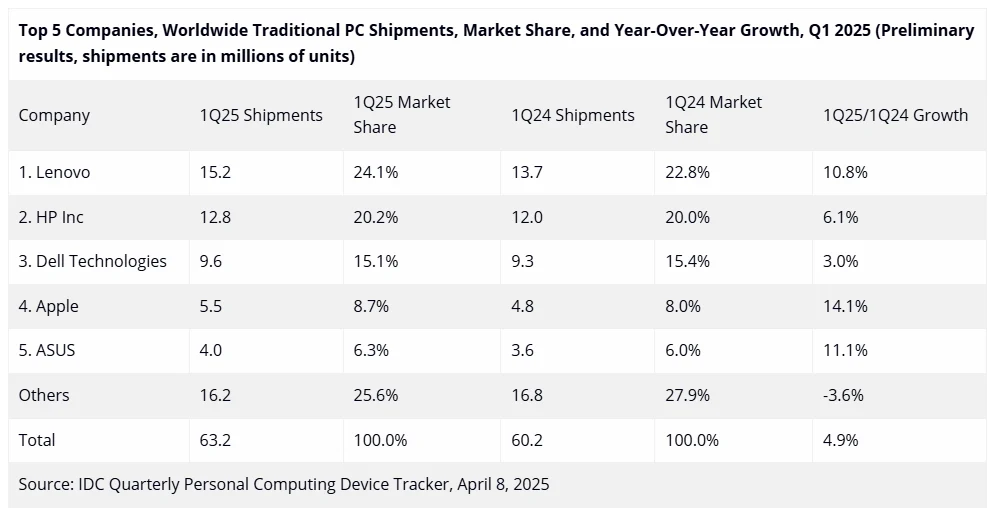
    1. Global PC shipments reached 63.2 million units in Q1 2025, up 4.9% from the previous year, mainly due to companies stockpiling Chinese components before tariffs.
    2. New U.S. tariffs on Chinese parts could reach 104%, leading major companies like Lenovo, HP, and Dell to pause shipments to assess impacts on pricing and logistics.
    3. Lenovo led the market with 15.2 million units shipped, while Apple saw a 14.1% increase in shipments due to demand for AI-enhanced Macs.
    4. Analysts warn that tariffs may result in higher consumer prices and worsen inflation, with three scenarios for the industry: relocating manufacturing, absorbing costs, or passing costs to consumers.
    5. Supply chain disruptions and price hikes are expected to challenge the market from Q2 to Q4 of 2025, with economic uncertainty overshadowing positive trends like Windows 10 upgrades and AI adoption.


    As reported by IDC, global shipments of PCs hit 63.2 million units in the first quarter of 2025, marking an increase of 4.9% compared to the previous year. This growth was mainly due to companies stockpiling Chinese components before tariffs were imposed. However, new tariffs from the U.S., which could be as high as 104% on Chinese parts, pose a significant threat to these gains. Major players in the industry, including Lenovo, HP, Dell, Acer, and ASUS, have paused all shipments of notebooks and components to the U.S. for a minimum of two weeks to assess the effects on pricing and logistics.

    Performance Highlights for Q1

    Lenovo took the lead in the market, shipping 15.2 million units, which is a 10.8% increase from last year, and achieving a market share of 24.1%. Apple experienced a notable increase of 14.1% in shipments, which was driven by a growing demand for its AI-enhanced Macs. Meanwhile, HP and Dell reported small increases, with shipments of 12.8 million units (+3.2%) and 9.6 million units (+2.4%), respectively.

    Risks and Industry Reactions

    Analysts at IDC are cautioning that the tariffs will likely lead to higher prices for consumers, which could worsen inflation. The industry is faced with three probable scenarios: relocating manufacturing outside of China to bypass tariffs, absorbing the increased costs to protect profit margins, or shifting those costs to consumers, which could lead to a drop in sales. Mid-range PCs are particularly at risk when it comes to price sensitivity, while higher-end brands like Apple may be more capable of managing the impacts of tariffs.

    Future Market Challenges

    Disruptions in the supply chain and anticipated price hikes are likely to affect the market from Q2 to Q4 of 2025, increasing the risks of a recession. Analysts Ryan Reith and Jean Philippe Bouchard from IDC attribute the growth seen in Q1 to stockpiling before the tariffs came into effect, often referred to as a “pull-in” effect. They highlight that current policy changes and economic uncertainty overshadow other positive influences such as upgrades to Windows 10 and the adoption of AI technologies.

    Source:
    Link