
Tag: Parkinson’s disease

  • 3D-Printed Pen Detects Parkinson’s Disease with 96% Accuracy

    3D-Printed Pen Detects Parkinson’s Disease with 96% Accuracy

    Key Takeaways

    1. Approximately 1.1 million people in the U.S. are affected by Parkinson’s disease, making it the second most common neurodegenerative disorder.
    2. Symptoms of Parkinson’s disease usually appear in advanced stages, creating challenges for early diagnosis.
    3. Researchers at UCLA developed a smart self-powered pen that can detect early signs of Parkinson’s by analyzing handwriting.
    4. The pen uses a unique design with a magnetoelastic tip and ferrofluid ink to capture handwriting signals and diagnose the disease.
    5. Early detection through this affordable and accessible pen could improve diagnosis accuracy, with a preliminary study showing 96.22% accuracy.


    In the United States, around 1.1 million people are affected by Parkinson’s disease, making it the second most frequent neurodegenerative disorder. A major issue with this condition is that its most noticeable symptoms typically appear only during advanced stages. Current methods for early diagnosis are expensive and not easily available.

    Innovative Solution

    Researchers from UCLA, under the direction of Jun Chen, have created a smart self-powered pen that can identify Parkinson’s disease in its initial stages by examining handwriting. This advanced pen is equipped with a magnetoelastic silicon tip, ferrofluid ink, a coil, and a comfortable grip.

    When the flexible tip of the pen either moves through the air or touches a surface, its magnetic characteristics shift, which in turn influences the movement of the ferrofluid inside. A coil surrounding the section filled with ferrofluid captures and sends these changes as signals. These signals are then processed using a trained model, allowing the pen to be utilized for diagnosing Parkinson’s disease.

    Importance of Early Detection

    Recognizing subtle motor symptoms that are hard to see is vital for early intervention in Parkinson’s disease. Our diagnostic pen offers an inexpensive, trustworthy, and easily accessible option that is sensitive enough to detect minor movements, making it suitable for large populations, even in areas with limited resources. — Jun Chen.

    In a preliminary study with 16 participants, including 3 diagnosed with Parkinson’s disease, the model achieved an accuracy rate of 96.22%. Should this innovative method successfully pass clinical trials, diagnosing Parkinson’s disease might become less costly and more widely available.

    The Parkinson’s Foundation and Nature, in collaboration with UCLA’s Samueli School of Engineering, are involved in this groundbreaking research.

    Source:
    Link
  • Scientists Discover How Protein Detects Damaged Mitochondria in Parkinson’s

    Scientists Discover How Protein Detects Damaged Mitochondria in Parkinson’s

    Key Takeaways

    1. Parkinson’s disease is rapidly increasing in prevalence worldwide.
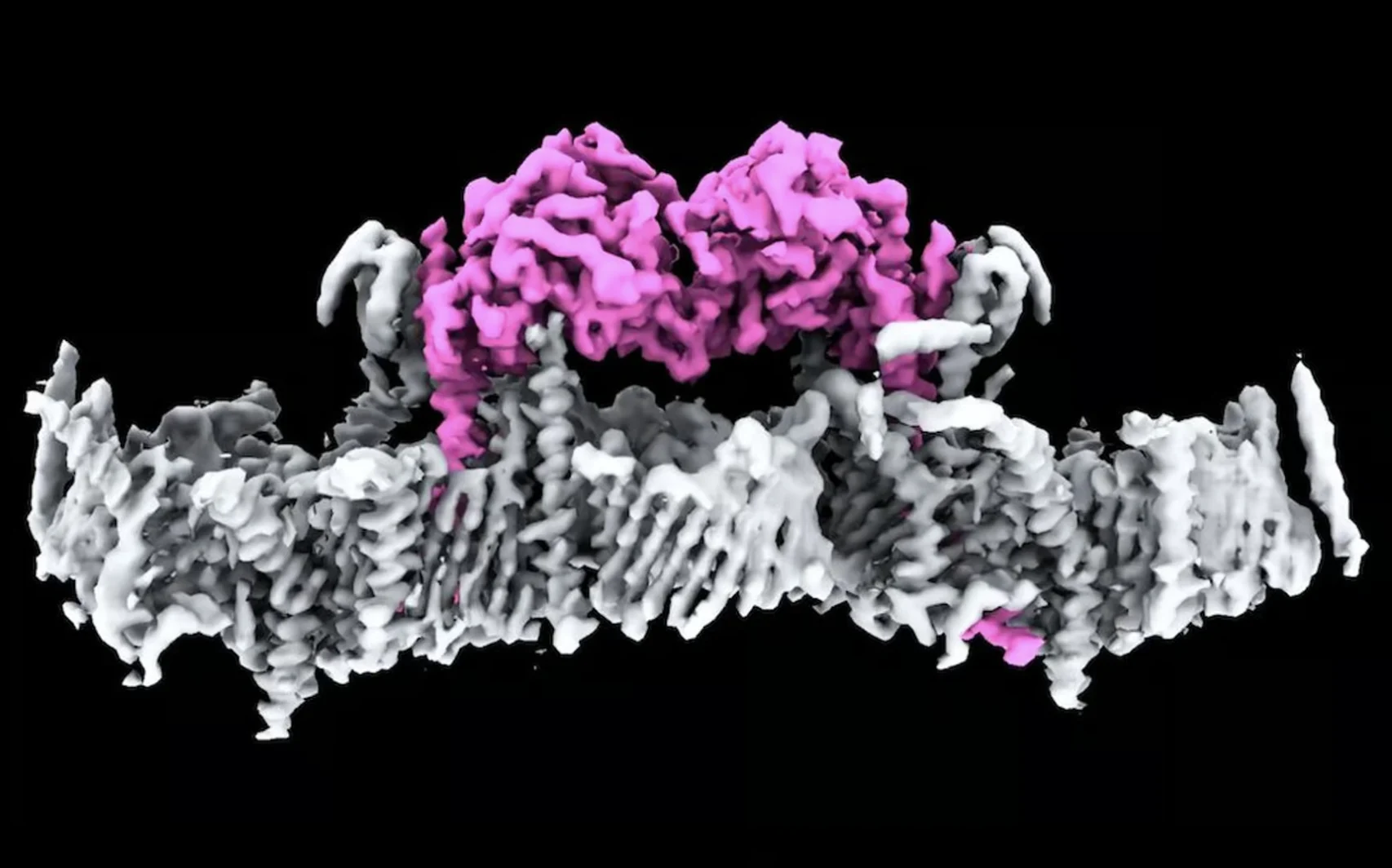
    2. Scientists at WEHI have mapped the structure of the PINK1 protein attached to mitochondria for the first time.
    3. PINK1, produced by the PARK6 gene, is crucial for mitochondrial health and is linked to hereditary Parkinson’s disease.
    4. The research outlines PINK1’s role in detecting, tagging, and recycling damaged mitochondria.
    5. Understanding PINK1’s structure may lead to new treatments aimed at stopping or slowing Parkinson’s disease rather than just managing symptoms.


    Parkinson’s disease is the most rapidly expanding neurodegenerative disorder in the world. Over the past few decades, the rates of prevalence have grown significantly. In a groundbreaking development, scientists at the Walter and Eliza Hall Institute (WEHI) have successfully mapped the structure of the human PINK1 protein when it is attached to mitochondria for the very first time. This finding helps fill a critical gap in our understanding of the molecular processes that contribute to Parkinson’s disease.

    What Exactly is PINK1?

    PINK1 is a protein that is generated by the PARK6 gene, which codes for the PINK1 (PTEN-induced putative kinase 1) protein. This gene is part of a set of genes linked to the hereditary forms of Parkinson’s disease. PINK1 is essential for the health of mitochondria as it detects and marks damaged mitochondria for disposal, a process vital for cell survival. Alterations in the PINK1 gene have been directly associated with Parkinson’s disease, especially in cases that appear early in life.

    How Does PINK1 Work?

    The research conducted by the WEHI team clarifies the functioning of PINK1 in four separate phases: first, it senses damage in the mitochondria; second, it binds to the affected mitochondria; third, it tags the protein with ubiquitin; and finally, it calls upon another protein called Parkin to help recycle the damaged mitochondria. Notably, the initial two phases of this process had not been visualized before this research.

    Grasping the exact structure and activation process of PINK1 opens up new possibilities for treatments. By focusing on PINK1 to boost its activity or replicate its function, future drug development could aim to slow down or even stop the progression of Parkinson’s disease. This offers a hopeful potential for those suffering from this presently untreatable condition, and there is hope that it may lead to therapies that target the underlying causes of the disease instead of just managing its symptoms.

    Conclusion

    The advancements from WEHI could be pivotal in changing the landscape of treatment for Parkinson’s disease, offering a promising direction for future research and development.

    Source:
    Link