
Key Takeaways
1. Jeff Kaplan’s departure from Activision Blizzard in 2021 was influenced by a meeting with the company’s then-CFO regarding revenue targets.
2. The excitement surrounding the Overwatch League led to a shift in focus away from developing new content for Overwatch.
3. Promises made to investors about the Overwatch League’s potential popularity created unrealistic expectations and strained the development team.
4. Attendance and sales for Overwatch League events fell short of expectations, impacting the game’s development and profitability.
5. Kaplan’s defining moment came when he was told that failure to meet revenue goals could lead to significant layoffs, ultimately leading to his decision to leave the company.
Jeff Kaplan, who had been the leading figure of Overwatch since it launched in March 2016, finally shared his thoughts on why he departed from Activision Blizzard in 2021. His decision was primarily influenced by a direct meeting with the company’s then-CFO, which ultimately led to his departure.
Kaplan’s Role in Overwatch
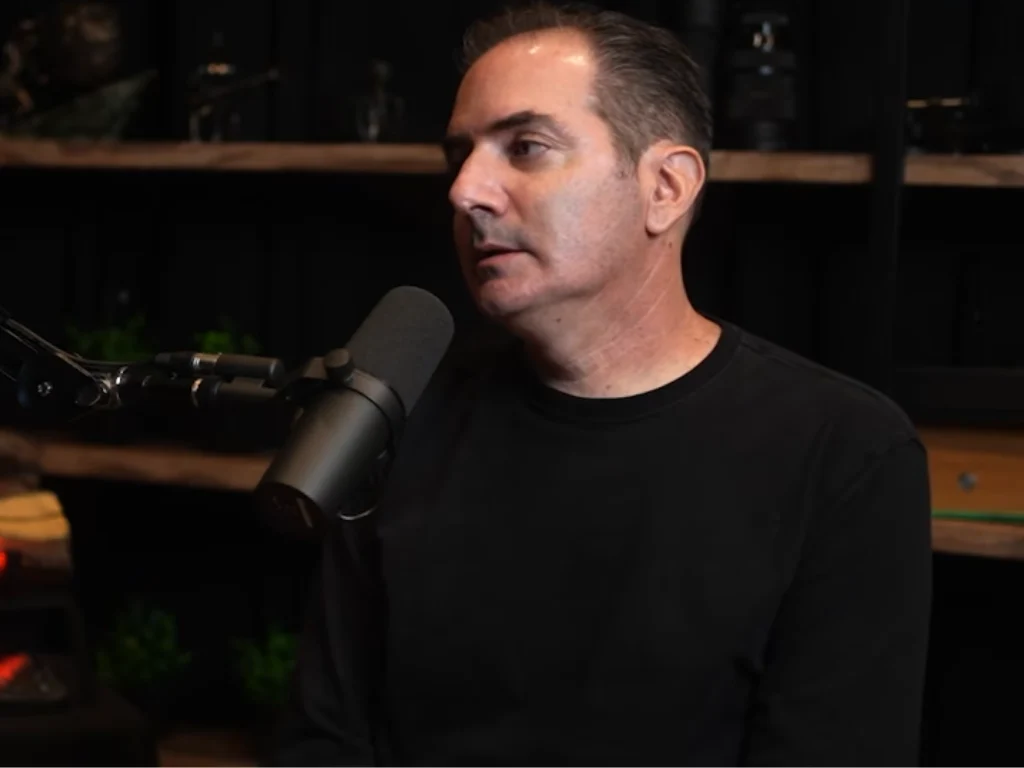
If you were a fan of Overwatch during its prime, you would recognize Jeff Kaplan as the game’s spokesperson, sharing news about new heroes, updates, and various developments. In a recent conversation with Lex Fridman on his podcast, Kaplan elaborated on how the excitement surrounding the Overwatch League gradually diverted the game from its original essence.
Challenges with the Overwatch League
Kaplan mentioned that issues began to arise with the launch of the Overwatch League in 2017. There was a lot of buzz at the time. He commented, “The excitement around Overwatch League got a bit out of hand. It was overhyped to the teams buying in. They went on a promotional tour, pitching everything under the sun, and it was almost as if they were selling the Brooklyn Bridge, claiming that Overwatch League would surpass the NFL in popularity.”
These lofty promises to wealthy investors started to hinder Overwatch’s game development. The team found themselves focused on spectator tools, Twitch integration, and team skins instead of creating new heroes, maps, or events.
Shifting Focus in Development
Kaplan further reflected, “At that point, plans for Overwatch content were thrown out the window. You’re not developing new world events, you’re ignoring Overwatch 2, you’re just trying to stay afloat.”
As anticipated, the attendance and pay-per-view ticket sales for the Overwatch League’s live events fell short of those for the NBA or NFL, which created strain on the development team. While merchandise sales provided some relief, they failed to satisfy the expectations set for investors.
Unrealistic Expectations
He continued, “Initially, the plan was to hold in-person events with big ticket sales and merchandise sales. But it quickly became clear that we couldn’t manage all in-person events with teams in London and Shanghai. It just didn’t add up, and that plan fell apart very fast.”
The turning point came during a meeting that remains fresh in Kaplan’s mind. He was summoned to the CFO’s office, where he was given an ultimatum regarding the revenue targets for 2020, which were later extended to 2021. The executive informed Kaplan that failing to meet these revenue goals would result in the layoff of 1,000 employees, and he would bear the blame for it.
A Defining Moment
Kaplan shared his feelings about the meeting, stating:
“The moment that broke me and my career at Blizzard was when I was called to the CFO’s office. He sat me down and told me that Overwatch had to generate (redacted) in 2020, and then each year after that, it had to maintain a recurring revenue of (redacted). Then he said, ‘If it doesn’t reach (redacted), we’ll let go of 1,000 employees, and that’s on you.’ It was the most shocking experience of my career; being in that position felt almost unreal.”
Kaplan had hoped to continue at Blizzard and even retire there, but that dream was cut short as he left the company on April 20, 2021, just prior to the release of Overwatch 2.
Source:
Link