Key Takeaways
1. OLED displays offer vibrant colors, rich blacks, and potential energy efficiency by turning off individual pixels.
2. Many outdoor devices still use IPS screens due to underutilization of OLED technology benefits, as seen in the Oukitel WP210.
3. The Oukitel WP210’s OLED display has brightness limitations and calibration issues, resulting in less impressive performance compared to IPS displays.
4. Flickering from OLED displays, caused by Pulse Width Modulation (PWM), can lead to discomfort for sensitive users, emphasizing the need for proper testing.
5. Effective implementation of OLED technology is crucial for outdoor smartphones to maximize visibility and color accuracy, which is often lacking in budget models like the Oukitel WP210.
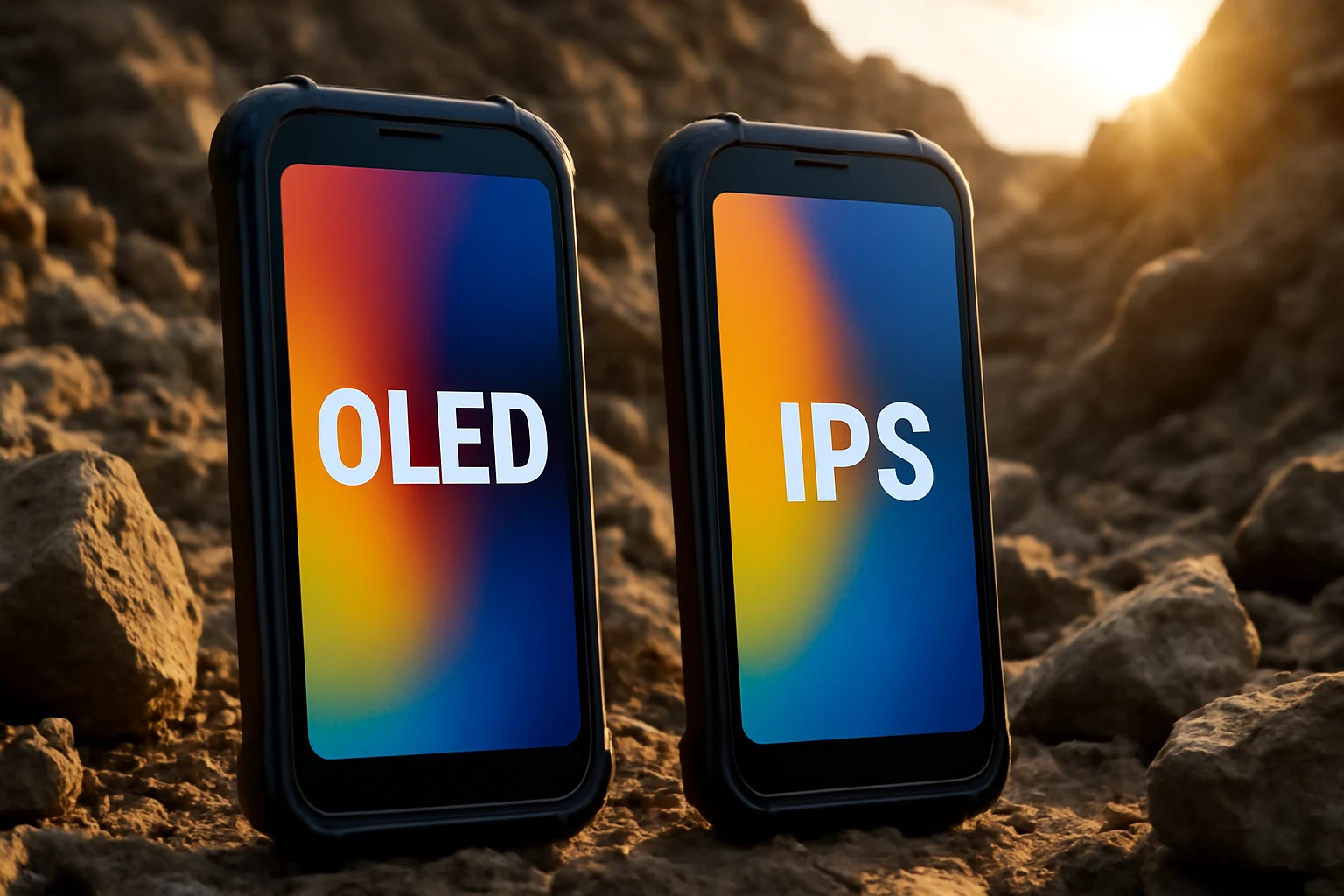
An OLED display is a fantastic feature: vibrant colors, precise reproduction, and rich blacks. Moreover, high-end panels can provide intense brightness and possibly lower energy usage since they can turn off individual pixels entirely.
The Appeal of OLED for Outdoor Devices
This seems perfect for smartphones designed for outdoor use, especially in bright conditions and during extended periods away from power outlets. However, many devices in this category still rely on IPS screens. What’s the reason for this?
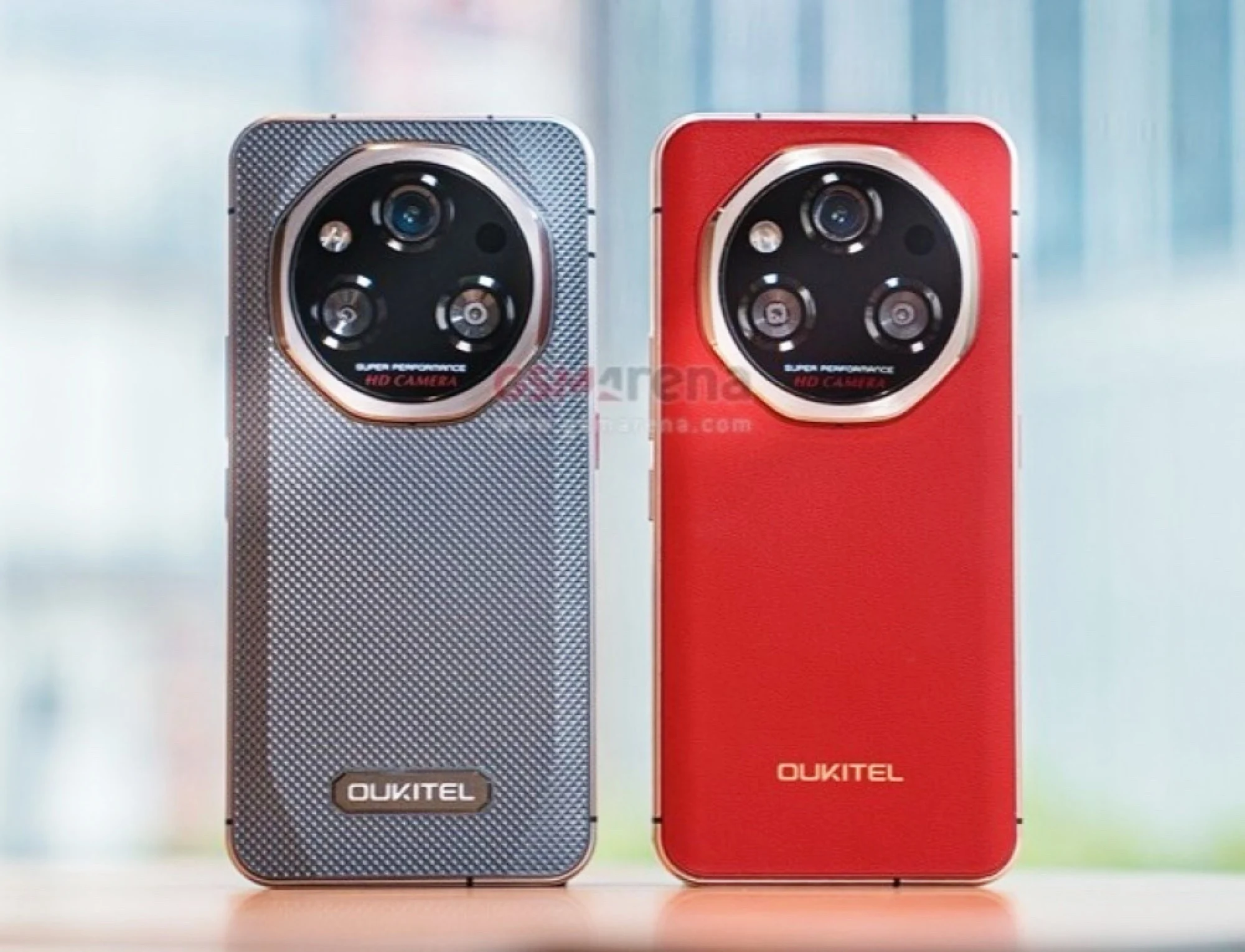
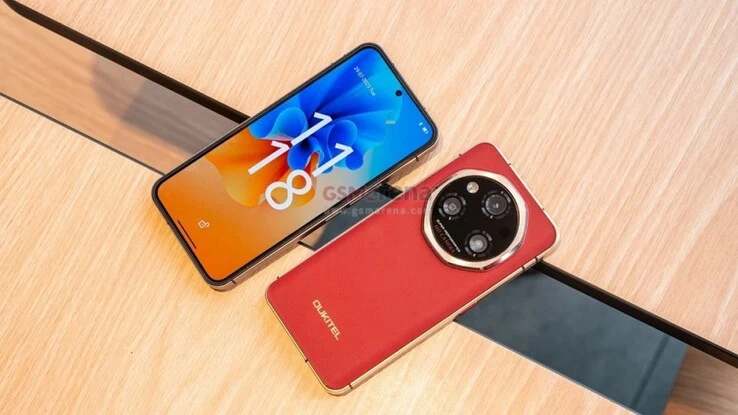
We recently evaluated the Oukitel WP210, which is currently priced at about 340 euros (it’s even pricier on amazon.com right now), and it boasts an IP68/69K rating for water and dust resistance, along with an OLED display. This gives us an opportunity to see if this display technology truly offers any benefits.
Brightness and Calibration Issues
However, the manufacturer hasn’t fully utilized the brightness advantage: with a brightness level of approximately 523 cd/m², the screen is not significantly brighter than similar devices featuring IPS technology. The display on the Oukitel WP210 is not particularly well-tuned. While there are several modes for color calibration, they don’t really enhance the quality. Whites appear fairly accurate, but the darker gray tones have a bluish tint.
The colors are also excessively oversaturated. This indicates that proper calibration is essential; otherwise, OLED displays can really shine for outdoor smartphones. A good example of successful implementation is the Motorola ThinkPhone 25, which offers brightness and exceptional color accuracy.
The Drawback of Flickering
One significant drawback of OLED displays is that they must use PWM (Pulse Width Modulation) to adjust brightness levels. This can lead to flickering, which may cause headaches or eye strain for those who are sensitive. While DC dimming can help mitigate these issues, it needs to be executed properly. In the case of the Oukitel WP210, the flickering is synced with the frame rate of the display, making it less noticeable. Nevertheless, it’s advisable to test the screen before purchasing to ensure comfort.
Final Thoughts
In theory, OLED technology is very suitable for outdoor smartphones: it can enhance visibility in bright settings, deliver accurate colors for professional use, and conserve battery life during long trips with many dark images. However, the implementation must be done right, which is often not the case in budget-friendly outdoor phones like the Oukitel WP210.
Additionally, in our comprehensive review of the Oukitel WP210, we closely examined the OLED display and presented the PWM chart from our oscilloscope, along with color measurement data obtained using a spectrophotometer.
Source:
Link