
Key Takeaways
1. The Nvidia Shield TV was launched in 2015, powered by the Tegra X1 chipset, similar to the original Nintendo Switch.
2. The 2019 Shield TV Pro features the improved Tegra X1+, Dolby Vision support, AI upscaling, Bluetooth 5.0, and a new remote design.
3. Nvidia plans to continue production and software updates for the Shield TV due to consistent sales.
4. Future upgrades may include better support for HDR formats like VP9, HDR10+, and AV1.
5. There are ongoing discussions about resizing the Netflix button on the remote, although complete removal is unlikely.
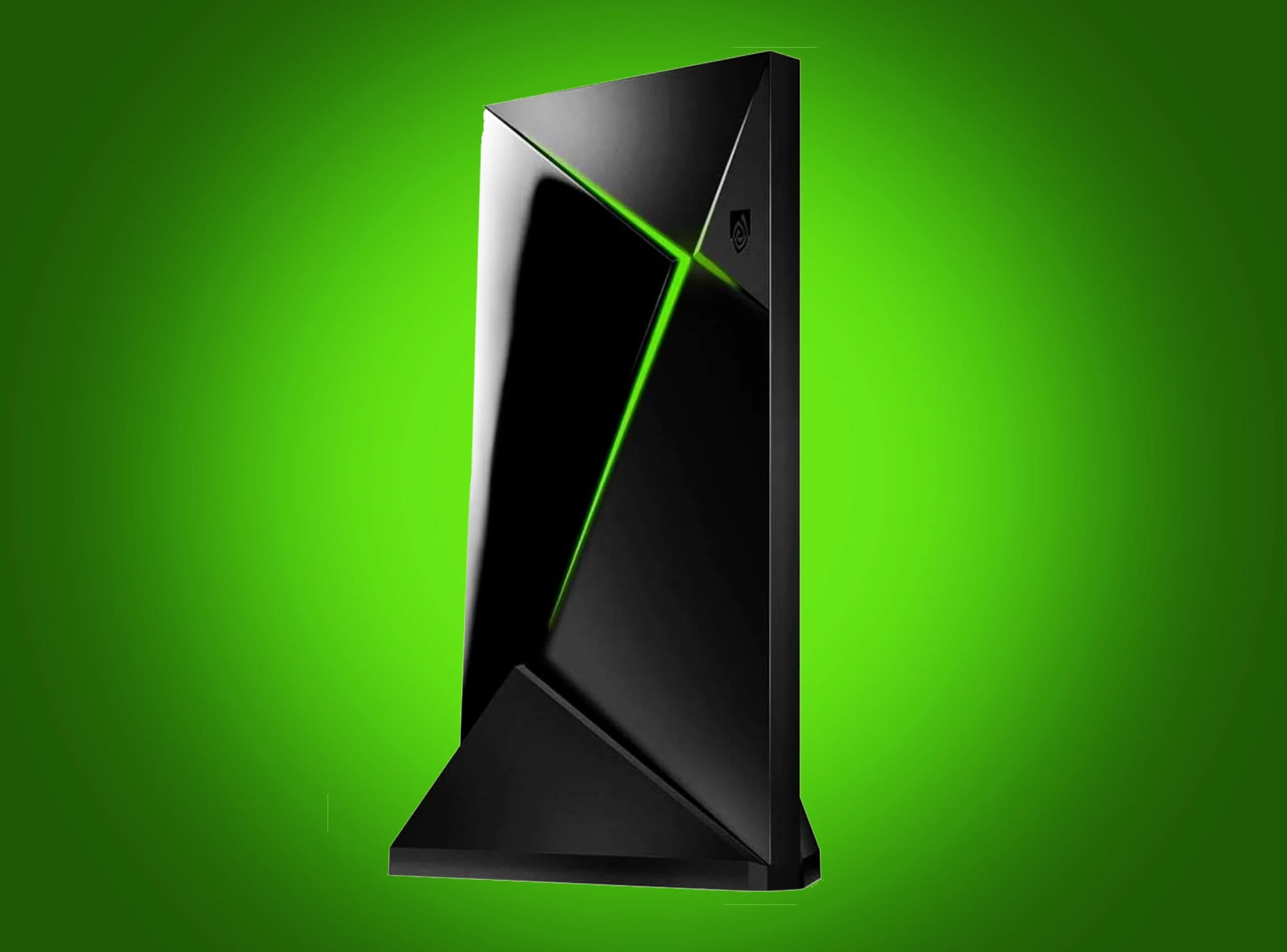
The Nvidia Shield TV first appeared in 2015, and it is driven by the Nvidia Tegra X1 chipset, which is similar to the one in the first Nintendo Switch. In 2019, the Shield TV Pro was released, starting at $199 on Amazon, featuring the improved Tegra X1+. This version includes support for Dolby Vision, AI upscaling, Bluetooth 5.0, and a redesigned remote.
Future Plans for Shield TV
In a chat with Ars Technica, Nvidia’s Senior Vice President of Hardware Engineering, Andrew Bell, shared insights about the future of the Nvidia Shield TV. He mentioned that sales are consistent, which means Nvidia plans to continue production and software updates. Additionally, there are hints that Nvidia is exploring new hardware for a next-gen Shield TV, though Bell hasn’t specified when or if there will be a new model. Still, he gave a few hints about what enhancements could come.
Potential Upgrades
One of the key improvements may be better support for current HDR formats, such as VP9 for YouTube HDR videos, along with enhanced compatibility for HDR10+ and AV1. Furthermore, Andrew Bell expressed a desire to reduce the size of the oversized Netflix button on the remote. Given that Netflix likely pays for its prominent location, it’s doubtful the button will be completely removed.
Ars Technica
Source:
Link