Key Takeaways
1. LightGen is an all-optical computing chip developed by researchers from Shanghai Jiao Tong University and Tsinghua University to support generative AI demands.
2. The chip features over two million artificial neurons in a compact design, allowing it to perform complex tasks like high-definition video creation and 3D modeling.
3. LightGen introduces an “optical latent space” that processes high-dimensional data using light, maintaining full-resolution images and improving throughput significantly.
4. The chip operates over 100 times faster than a top Nvidia A100 GPU, demonstrating its potential for advanced data processing.
5. While still reliant on external laser setups, LightGen represents a promising shift toward rapid, energy-efficient intelligent computing for the future of generative AI.
Researchers from Shanghai Jiao Tong University and Tsinghua University have introduced “LightGen,” an innovative all-optical computing chip that is tailored to meet the growing demands of generative artificial intelligence. The chip, which is explained in the journal Science, marks a major transition from electronic transistors to photonic neurons, potentially addressing the significant energy challenges currently faced by the AI sector.
Major Advancements in Optical Processing
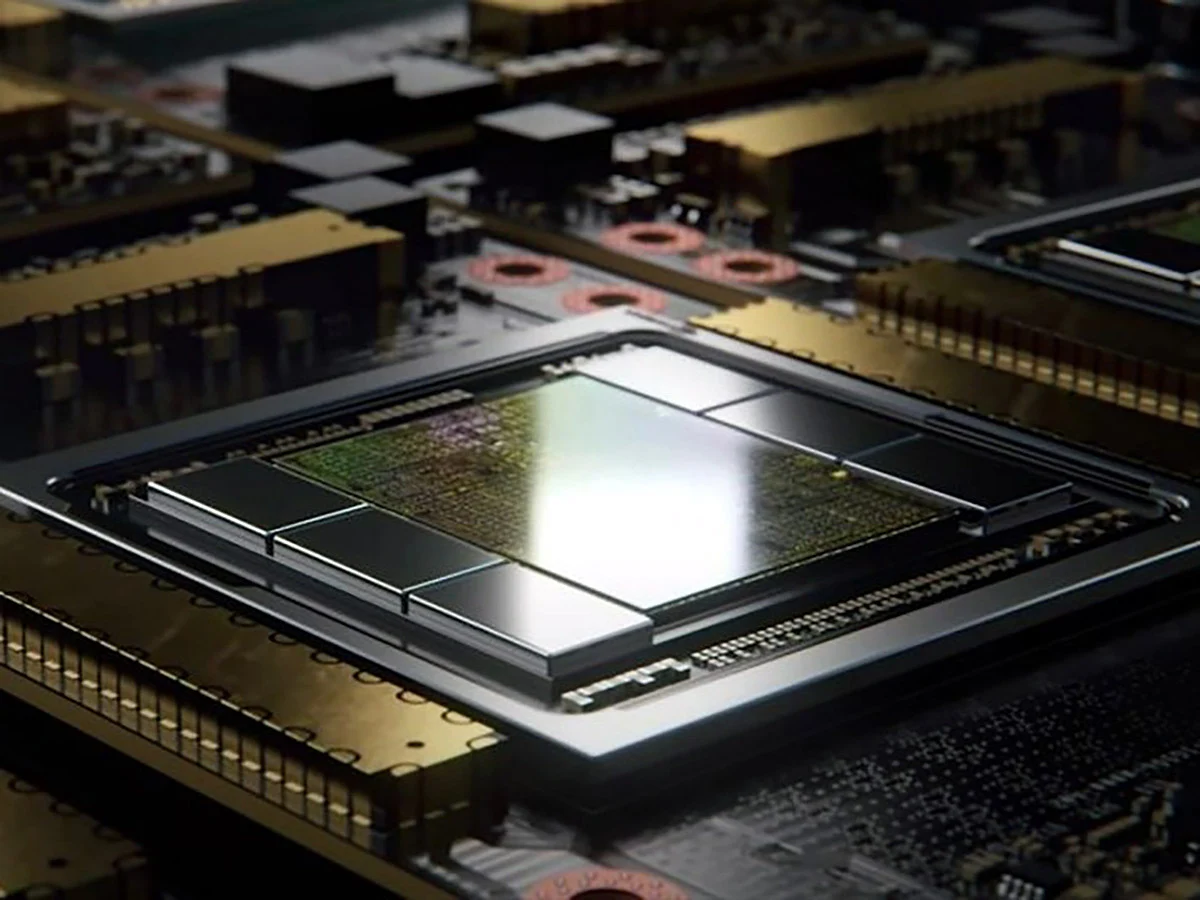
Unlike older optical processors that had only a few thousand neurons and were mainly used for simpler operations like image classification, LightGen employs sophisticated 3D packaging to incorporate more than two million artificial neurons into a compact quarter-square-inch device. This extensive capacity enables the chip to perform intricate generative tasks, such as creating high-definition videos and 3D models, which were once only possible with advanced electronic GPUs.
A New Approach to Data Processing
One of the key innovations in LightGen’s design is the “optical latent space.” By utilizing ultra-thin metasurfaces and arrays of optical fibers, the chip can compress and process high-dimensional data solely through light. This feature allows it to manage full-resolution images without needing to break them into smaller sections, which keeps essential statistical information intact and significantly boosts throughput. The researchers found that the chip operates more than 100 times faster than a top Nvidia A100 GPU.
Promising Future for Intelligent Computing
In laboratory evaluations, LightGen managed to carry out high-resolution semantic image generation and 3D manipulation at a quality level that rivals leading electronic neural networks. Although this technology is currently dependent on external laser setups and unique manufacturing methods, it lays down an encouraging foundation for the future of rapid, sustainable, and intelligent computing.
LightGen paves the way for progress in generative AI, enhancing speed and efficiency, and offers a new direction for research in high-speed, energy-efficient intelligent computing. — Yitong Chen, the primary author of the study.
Source:
Link