1. The Vera C. Rubin Observatory has identified over 11,000 new asteroids, including 33 near-Earth objects.
2. The observatory’s data has improved orbit measurements for tens of thousands of known asteroids, enhancing our understanding of the asteroid belt.
3. It is estimated that the observatory could detect more than 90,000 additional asteroids in the coming years.
Vera C. Rubin Observatory’s Groundbreaking Discoveries
Nestled in the Chilean landscape, ever since its launch in June 2025, the Vera C. Rubin Observatory stands as a marvel in our quest to explore cosmos. Distinctively, this sophisticated telescope has already unveiled over 11,000 new asteroids, thanks heavily to some early data that’s just started shed light on the universe’s mysteries. Its power to observe the heavens is supplementing existing knowledge and expanding our cosmic horizon. The key features include advanced imaging and rapid data processing which allows scientists to monitor celestial bodies efficiently.
Details on Findings and Size Variations
The precursory data shows an impressive collection, especially more than a million observations, focusing on over 80,000 known asteroids that continues to intrigue the research community. Among them, 33 are classified as near-Earth objects with the largest being approximately 500 meters across, though none are considered a threat to our planet. Its some discoveries are icy bodies called trans-Neptunian objects, orbiting past Neptune—adding more evidence to the complexity of our solar system.
- Number of asteroids discovered: over 11,000
- Observations made: more than a million
- Notable objects: 80,000+ known asteroids, 33 near-Earth objects, 380 trans-Neptunian objects
Expert Opinions and Future Perspectives
Science experts like Ari Heinze, from the University of Washington, is sure that the observatory’s future is incredibly promising. He emphasize that even with early data, it already shows tremendous potential in revolutionizing how we understand the asteroid belt. The plan is for the observatory to keep hunting more objects in the years ahead, possibly discovering over 90,000 additional asteroids. This could be a pivotal step for comprehending our solar neighborhood, and also for identifying potential hazards from space, much like the recent case of asteroid 2024 YR4.
Additional Information and Credits
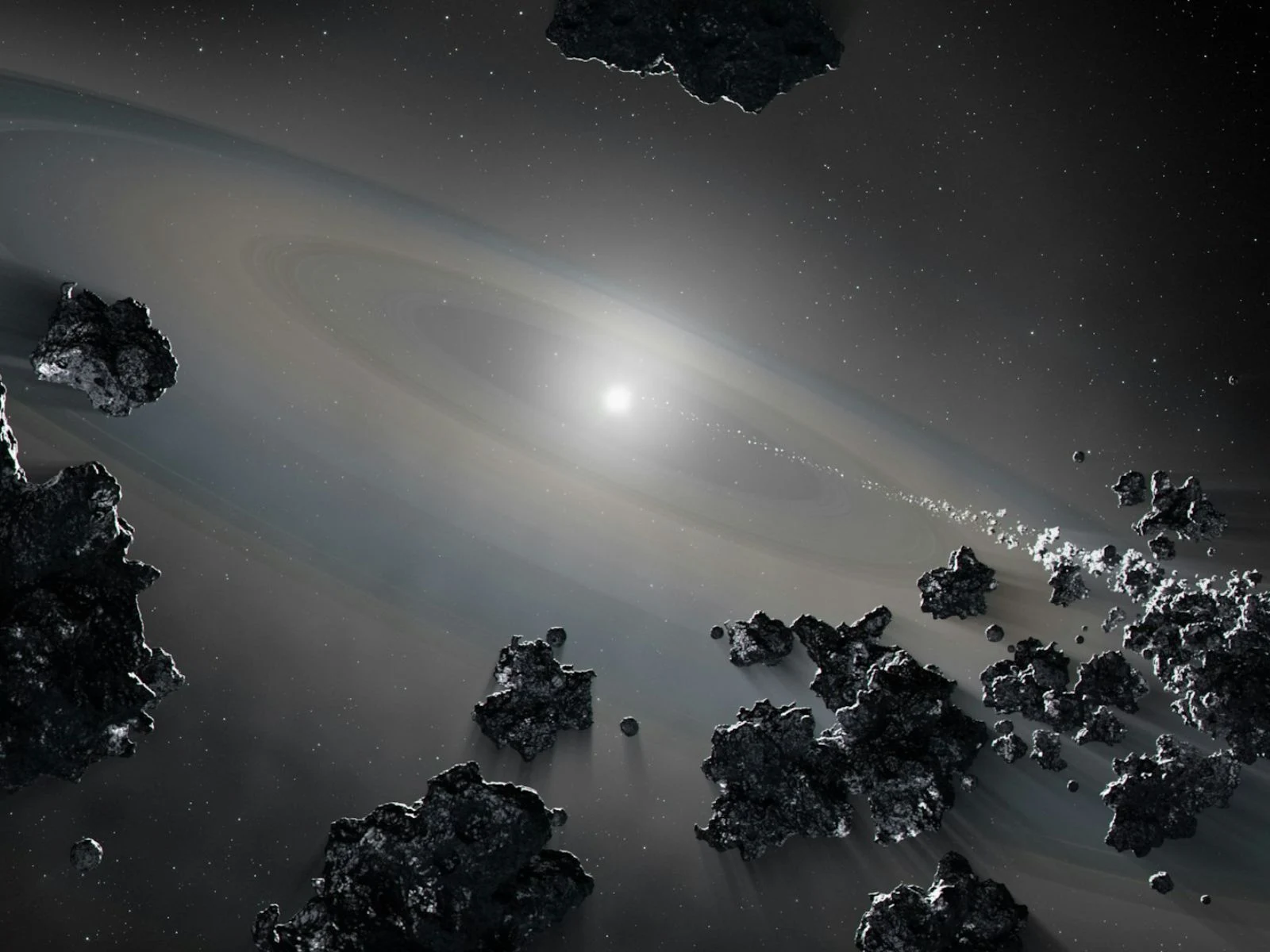
Visual content comes from NASA’s Hubble Space Telescope, and the observatory’s data is shared through collaborative efforts involving NOIRLab, SLAC, AURA, and other organizations. The primary investigator credited for the images and data sharing is Mario Juric from the University of Washington. This collective work signals a new era of astronomical discovery that looks promising for the future.