Key Takeaways
1. Ugreen’s new NASsync DH2300 is an entry-level NAS with two bays, supporting a maximum storage of 60TB.
2. The device is priced at $189 during an early bird discount, ending November 9, down from $209.
3. It features an RK3576 SoC with 8 cores and 4GB of LPDDR4X RAM, running on the Ugos Pro operating system.
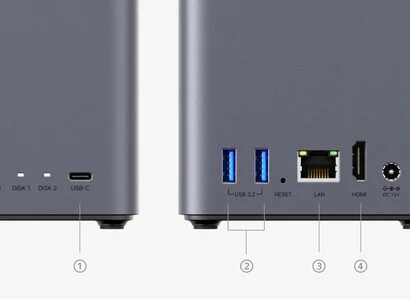
4. Connectivity options include two USB Type-A ports, one USB Type-C port, and an HDMI port for 4K displays.
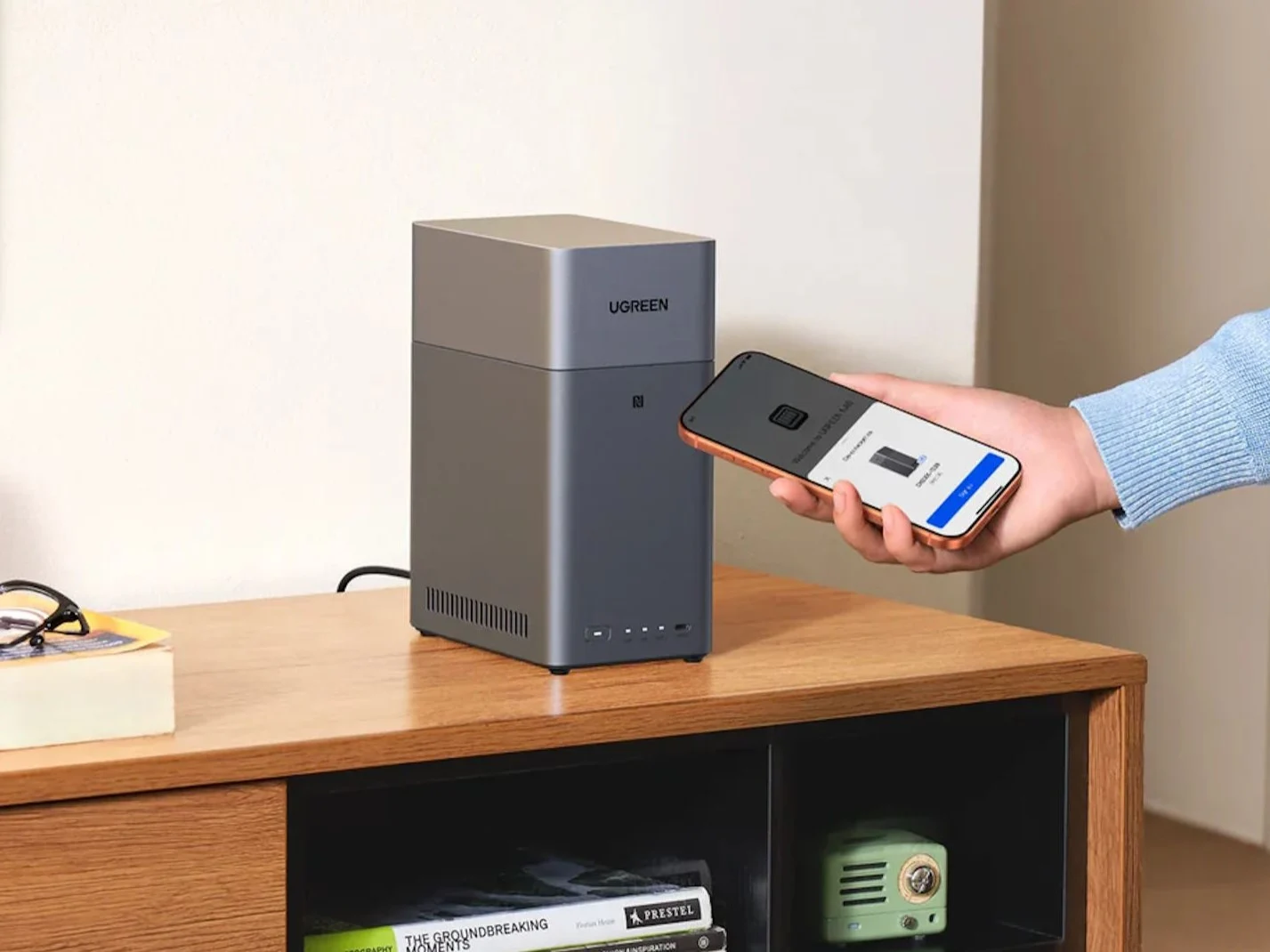
5. The DH2300 offers AI photo recognition capabilities and customizable privacy settings, such as private folders.
Ugreen is expanding its range of network-attached storage devices with the introduction of the NASsync DH2300. This new model has hit the market, and those interested can take advantage of a special early bird discount until November 9. The NAS is priced at $189 instead of its regular price of $209.
Specifications Overview
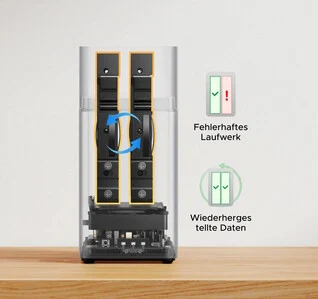
The DH2300 is designed as an entry-level NAS featuring two bays. By using two 3.5-inch hard drives, users can achieve a maximum storage capacity of 60TB, which should be more than enough for most people. However, it’s worth noting that it does not support M.2 SSDs for faster caching, which some may find disappointing.
Performance Insights
Ugreen has chosen the RK3576 SoC with 8 cores, complemented by 4GB of LPDDR4X RAM. The device runs on the Ugos Pro operating system, which is stored on 32GB of eMMC memory. The maximum data transfer rate is likely constrained by both the SoC and the network interface. The Ethernet port offers Gigabit speeds, which translates to roughly 125 MB/s. This could be a drawback for users looking to edit 4K videos.
Connectivity Features
In addition, the DH2300 comes equipped with two USB Type-A ports and one USB Type-C port, each offering a bandwidth of 5Gbps. An HDMI port is also included, enabling users to connect monitors or displays supporting 4K resolution at 60Hz. Ugreen promotes a variety of features that go beyond simple data storage. For instance, it includes AI photo recognition powered by an NPU capable of 6 TOPS. As is typical, users have the ability to modify many privacy settings, enabling the creation of private folders, among other options.
Source:
Link