
Key Takeaways
1. Garmin’s Nutrition Tracking feature requires a paid Garmin Connect+ subscription and allows food scanning via barcode or photo recognition.
2. Setup challenges include the need to unlink MyFitnessPal accounts and set target weights for accurate calorie intake recommendations.
3. The food scanning technology struggles with complex meals, often misidentifying food items and providing incorrect nutritional data.
4. The app has limitations, such as using standard portion sizes that may not match personal consumption habits, requiring scales for accuracy.
5. The smartwatch experience is restricted, with users facing app crashes and limited meal input options directly from the device.
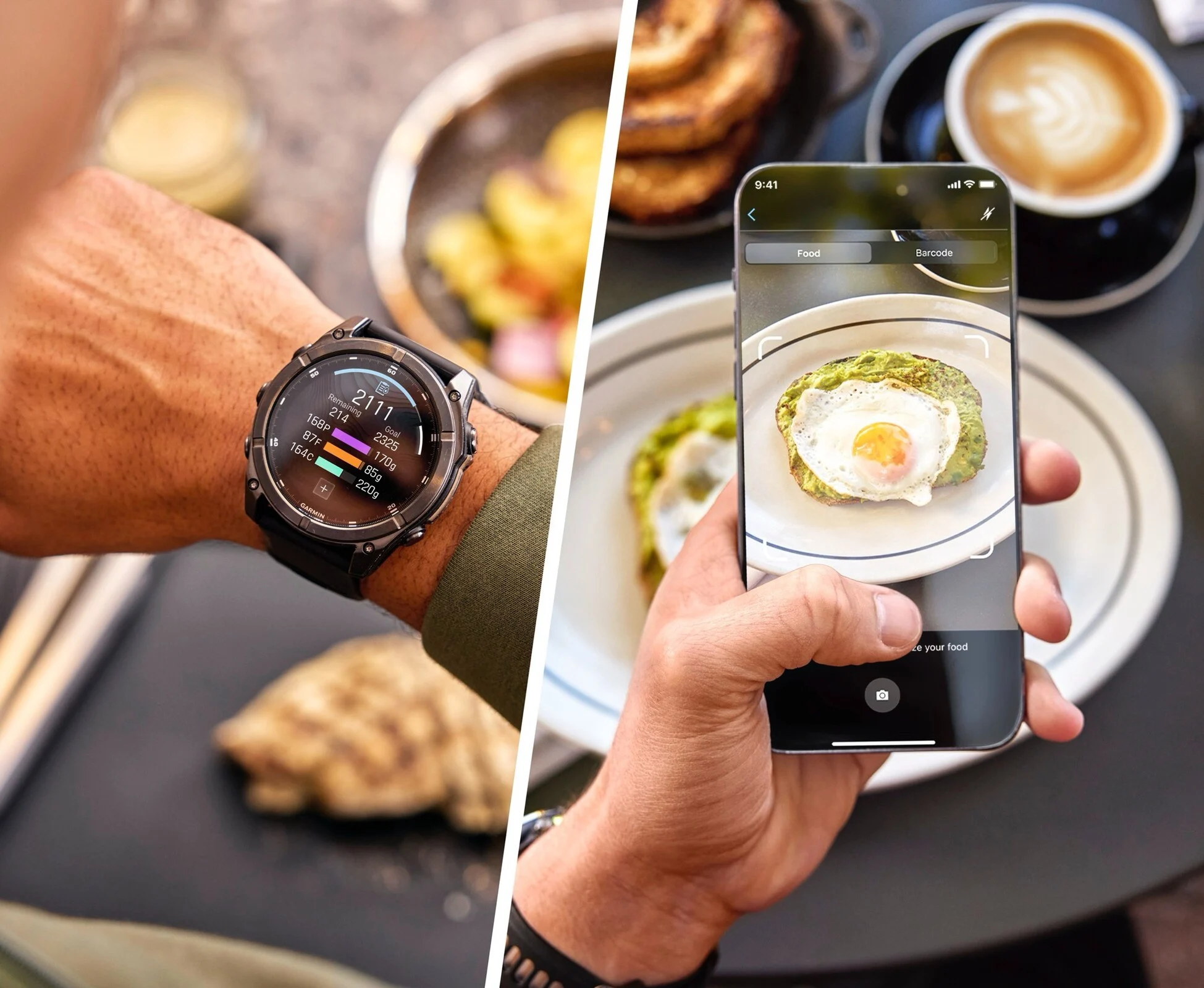
On Monday, Garmin introduced a new feature known as Nutrition Tracking. This feature is available to those who have a paid Garmin Connect+ subscription. Users can scan their food by either using a barcode or by capturing a photo of their dish with their smartphone camera. The AI technology is designed to recognize the food items. The information collected is then analyzed to reveal nutrient patterns and assess how different diets affect workouts and sleep, among other factors.
Setup Challenges
Despite the promising concept, early tests from the5krunner and DC Rainmaker reveal that Garmin’s Nutrition Tracking has its share of challenges. To get started, individuals who used MyFitnessPal for nutrition tracking must first unlink their account from Garmin Connect. After the setup is completed, users can set a target weight. Garmin then uses this information to determine the ideal calorie intake, which is distributed throughout meals like breakfast, lunch, dinner, and snacks.
Recognition Issues
The food scanning feature does not always function as intended. While it can easily identify simple foods like a single banana, it struggles with complex meals containing multiple components. For instance, a plate with three slices of toast may only be recognized as one slice, and the AI often overlooks the butter under jam, leading to incorrect nutritional data.
Limitations on Smartwatch
The app also faces challenges when it comes to differentiating between white and wholegrain toast. Many items are registered with a standard portion size of 100 grams, making it necessary to use scales for accurate nutritional recording. This is particularly inconvenient for items like sauces, jam, or honey, as Garmin’s default serving sizes can be quite different from what is actually consumed, based on personal habits.
The smartwatch experience is somewhat limited; while Garmin shows the calories and nutritional data for the day, users can only add pre-stored meals directly from the smartwatch. Furthermore, reports indicate that the smartwatch app often crashes, according to findings from DC Rainmaker.
Source:
Link