
Tag: mosquito control

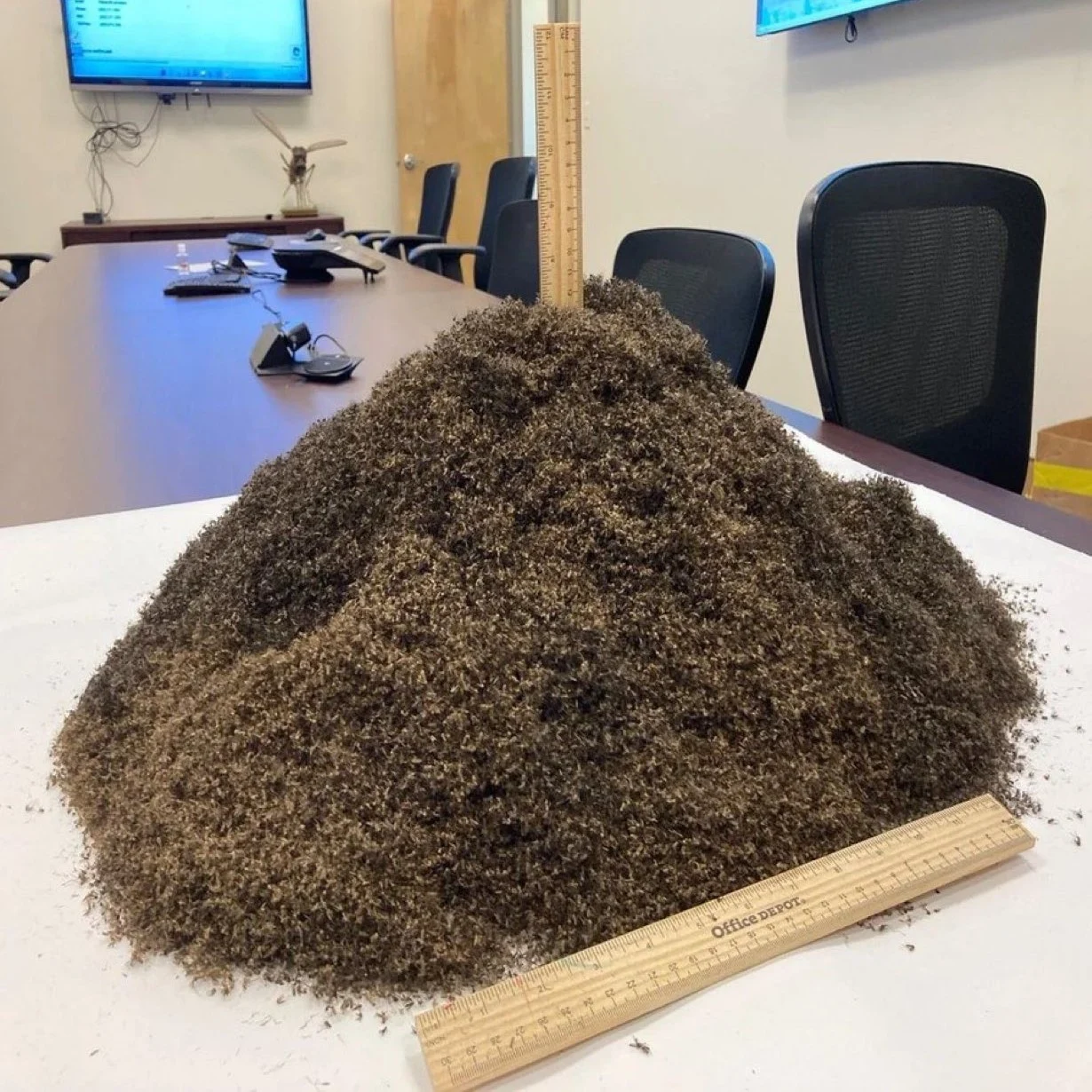
  • Smart Mosquito Traps Use Breath and Heat to Eliminate 30,000 Daily

    Smart Mosquito Traps Use Breath and Heat to Eliminate 30,000 Daily

    Key Takeaways

    1. Mosquitoes spread various diseases, including malaria, dengue fever, Zika virus, yellow fever, and West Nile virus.
    2. Dengue fever is the most common mosquito-borne illness in China, with nearly 20,000 cases reported in 2023.
    3. Hangzhou, China, has launched initiatives to reduce mosquito populations through smart solutions.
    4. Smart mosquito traps in Hangzhou can capture around 30,000 mosquitoes each and provide daily capture statistics.
    5. Innovative technologies like Qista and PhotonMatrix are being developed to help control mosquito populations effectively.


    Every year, there are hundreds of millions of malaria cases around the globe. While mosquitoes are well-known for spreading malaria, they are also responsible for transmitting other diseases, such as dengue fever, Zika virus, yellow fever, and West Nile virus, among others.

    Dengue Fever in China

    Dengue fever is the most common mosquito-borne illness in China, with close to 20,000 cases reported in 2023 alone. Besides the serious illnesses they cause, mosquitoes can be quite bothersome, and their bites can hurt a lot. To combat this issue, the city of Hangzhou in China has initiated efforts to reduce its mosquito numbers.

    Smart Solutions for Mosquito Control

    Several smart mosquito traps have been set up in various places. Each of these devices is capable of capturing around 30,000 mosquitoes. Mao Ning, a diplomat from China, shared information about this initiative on her X account. In the video she posted, the traps display the number of mosquitoes caught and provide a daily ranking of locations with the highest captures. At the time of her video, the traps had caught 8,971 mosquitoes that day.

    This technology is akin to a system developed by Qista, which attracts mosquitoes by mimicking human scent and breathing patterns. In 2021, over 300 Qista devices were deployed in France. This reflects a growing trend in technology aimed at controlling mosquito populations. A few months ago, we discussed PhotonMatrix, a gadget that uses lasers to detect and eliminate mosquitoes.

    Source:
    Link


  • PhotonMatrix Laser Prototype Effectively Eliminates Mosquitoes

    PhotonMatrix Laser Prototype Effectively Eliminates Mosquitoes

    Key Takeaways

    1. PhotonMatrix uses short-range laser beams and lidar technology to detect and eliminate mosquitoes and similar flying insects in real-time.
    2. The system is designed to avoid targeting larger animals like humans or pets, using specific size-based detection settings.
    3. It operates without chemicals or AI, relying on set detection criteria for insect elimination.
    4. PhotonMatrix is currently crowdfunding on Indiegogo, having raised over $400,000, and plans to deliver the product by October 2025.
    5. The device is still in prototype stage and has not received regulatory approvals or independent testing for commercial sale.


    PhotonMatrix is a new mosquito control solution that targets flying insects using short-range laser beams. This system detects mosquitoes in real-time through lidar technology. The prototype can spot mosquitoes and insects that are similar in size, ranging from 2 to 20 millimeters, and moving at speeds below 1 meter per second. When it identifies a valid target, the laser automatically activates and eliminates the insect while it’s flying. It’s important to note that this system operates without chemicals or physical agents, depending instead on set detection criteria instead of using artificial intelligence or predictive classification.

    Detection Specifications

    The system has size-based detection settings to prevent the laser from firing when larger creatures like humans, pets, or birds come into its view. The creators have mentioned their plans to seek necessary safety certifications, but as of now, they haven’t received any regulatory approvals. The device is powered through USB-C, which means it can work using a standard PD-compatible power bank or a portable battery station.

    Operating Conditions

    PhotonMatrix is made for use in outdoor or semi-sheltered spaces and functions well both during the day and at night. The developers suggest installing it under eaves or solar panels to minimize disruptions caused by rain and debris. While it’s mainly focused on mosquito control, the prototype can also target other slow-flying pests like fruit flies or sand flies. However, it struggles with faster insects such as houseflies unless a narrower scanning angle is employed, which decreases the coverage area.

    Currently, PhotonMatrix is being crowdfunded on Indiegogo, where it has surpassed $400,000 in funding—over 20 times its initial goal of $20,000. Supporters are being offered early-bird pricing with free shipping and taxes included, though there are optional charges for batteries.

    Delivery Timeline

    Originally, the first delivery was set for March 2026, but the team has moved it up to October 2025 due to requests from distributors in tropical and temperate areas, aiming to ensure the product is available before summer hits in the Southern Hemisphere. While the prototype is operational, it has not yet undergone independent testing or received certification for commercial sale. The developers recognize that the current manufacturing expenses are high, but they are optimistic about lowering costs in upcoming production phases. It remains to be seen if the device can maintain reliable performance in uncontrolled settings. For now, PhotonMatrix stands as a bold yet unproven option compared to traditional mosquito control methods.

    Source:
    Link