
Tag: Moore Threads

  • Moore Threads Launches MacBook Pro-Like Laptop with OLED Display

    Moore Threads Launches MacBook Pro-Like Laptop with OLED Display

    Key Takeaways

    1. The MTT AIBook features a 12-core CPU and a powerful NPU with up to 50 TOPs performance, rivaling top AMD laptop chips.
    2. It comes with 32GB of LPDDR5X RAM and operates on a unique software stack, supporting Linux, Android, and Windows via virtualization.
    3. The laptop includes a 1TB SSD, a 2.8K OLED display with a 120Hz refresh rate, and a quad-channel speaker system.
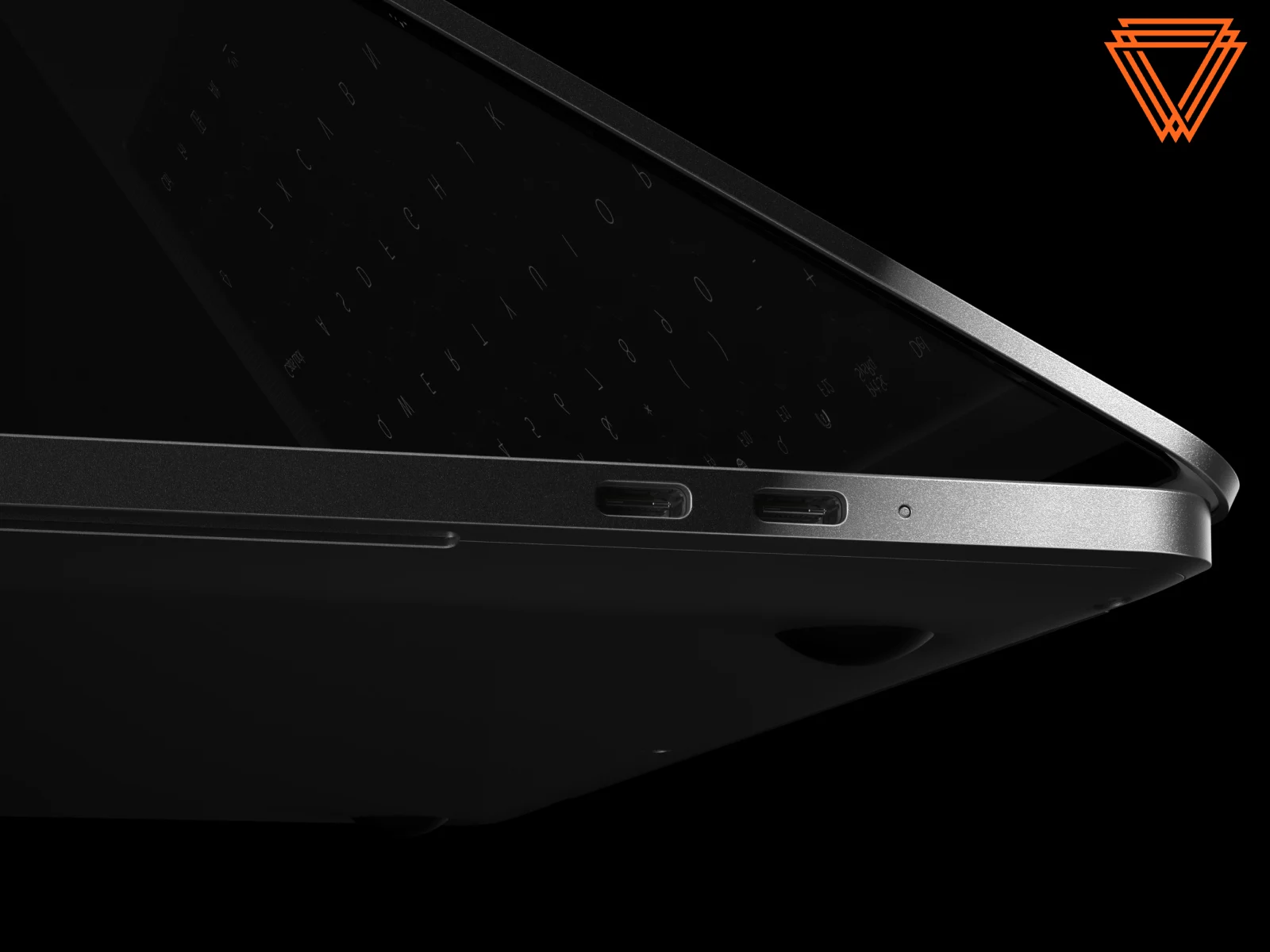
    4. Its design resembles a MacBook Pro, with a sleek metal finish, though it lacks Thunderbolt and USB4 ports.
    5. Priced at CNY 9,999 (around $1,447), the MTT AIBook is currently available only in China.


    Moore Threads has launched a new high-end laptop called the MTT AIBook. The device is powered by a China-developed SoC that includes a CPU, NPU, and GPU, as the brand states.

    Specifications Overview

    The CPU boasts a 12-core setup, while the NPU reportedly achieves up to 50 TOPs performance. This performance level positions the SoC comparable to leading AMD Strix Point laptop chips, like the AI 9 365-equipped Asus ZenBook S16, which is currently priced at $1,189.99 on Amazon. Additionally, the GPU is built on the MUSA architecture.

    Memory and Software

    It appears that there’s just one version of the laptop, which combines the ARM-based SoC with 32GB of LPDDR5X RAM. Though this amount of memory may seem excessive for a system that operates on an in-house software stack, Moore Threads seems to be emphasizing its AI features.

    Interestingly, the company points out that the laptop can operate on Linux, Android, and Windows. However, Windows support is provided through virtualization rather than native Windows on ARM.

    Additional Features and Design

    The specifications of the MTT AIBook align well with other high-end productivity laptops. It includes a 1TB SSD and a 2.8K OLED display, boasting a 120Hz refresh rate and complete DCI-P3 color coverage. The laptop is equipped with a quad-channel speaker system and a dual-fan cooling setup featuring a large copper heat sink.

    In terms of design, the laptop closely resembles a MacBook Pro, showcasing a sleek metal finish and a relatively slim profile. While it lacks Thunderbolt and USB4 ports, it does include three unnamed USB-C ports. Moore Threads may not introduce this laptop to the international market, but it is currently available in China for CNY 9,999, which is about $1,447.

    Source:
    Link


  • Moore Threads Launches Huagang GPU: 15x Gaming, 50x Ray Tracing Boost

    Moore Threads Launches Huagang GPU: 15x Gaming, 50x Ray Tracing Boost

    Key Takeaways

    1. Moore Threads introduced the Huagang architecture at the MUSA Developer Conference, aimed at gaming and AI, with a launch scheduled for next year.
    2. The new “Lushan” GPU promises up to 15 times better performance for AAA games and 50 times for ray tracing, with claims of a second-generation hardware ray tracing engine.
    3. Lushan is expected to have 64 GB of memory, up from 16 GB, and improvements in AI compute performance and other processing capabilities, although evidence for these claims is lacking.
    4. The Huashan AI GPU may feature a dual-chiplet design, 9 HBM modules, and performance metrics that rival Nvidia’s offerings, with a significant expected boost in compute density and efficiency.
    5. Although no gaming demos were available, a performance demo of the MTT S5000 GPU showed promising results, highlighting China’s push for GPU independence amid export restrictions.


    Chinese GPU manufacturer Moore Threads recently hosted a MUSA Developer Conference, where they introduced their next-generation “Huagang” (also known as “Flowerpot”) architecture. This new architecture is scheduled to debut next year and aims to cater to both gaming and artificial intelligence needs. However, the conference did not provide many specific technical details about the architecture, focusing instead on bold performance claims.

    Exciting New GPU Models

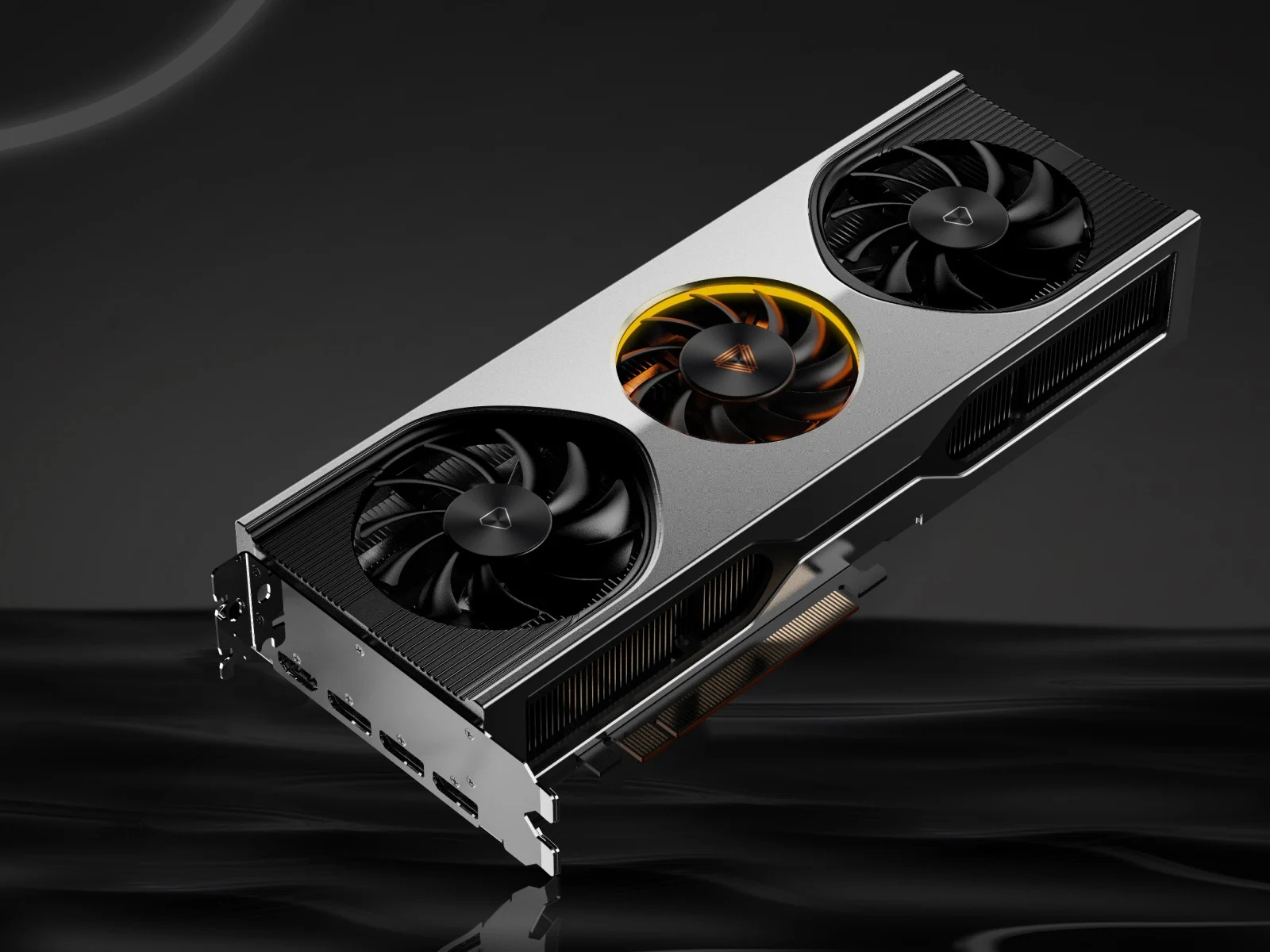
    A new gaming GPU named “Lushan” is set to be developed using the Huagang architecture, taking over from the current MTT S80 and S90 models. The company boasts an incredible 15 times improvement in performance for AAA game rendering and a staggering 50 times enhancement in ray tracing capabilities. The upcoming GPU is also said to include a second-generation hardware ray tracing engine and full support for DirectX 12 Ultimate, which should improve compatibility. But, it’s crucial to note that there is no solid evidence yet to back up these claims, so skepticism is advised.

    Memory and Performance Upgrades

    In terms of memory, the Lushan GPU is expected to provide up to 64 GB of memory, an increase from the current 16 GB GDDR6 found in existing models. Moore Threads also asserts improvements in AI compute performance by 64 times, 16 times in geometry processing, 4 times in texture fill performance, and 8 times in atomic memory access. Furthermore, the GPU is rumored to have a new “UniTE” unified rendering architecture, complete with a dedicated AI hardware block. Yet, it’s still uncertain whether these assertions will prove to be true.

    Teasing the AI GPU

    Alongside the Lushan, there are hints about the Huashan AI GPU, which reportedly features a dual-chiplet design and 9 HBM modules. The company claims its performance will rival Nvidia’s Hopper and Blackwell GPUs, while memory bandwidth is said to surpass Nvidia’s B200. The AI GPU is also expected to support FP4 through FP64 computing with proprietary formats (MTFP4, MTFP6, MTFP8), and it could scale beyond 100,000 GPUs using the MTLink 4.0 interconnect, hitting 1314 GB/s. Moore Threads claims a 50 percent boost in compute density and a tenfold improvement in efficiency compared to current models.

    Although there are no gaming demos ready for these new GPUs, a performance demo for the DeepSeek V3 on the MTT S5000 (which is another GPU set to release next year but is not part of the Huashan series) was shown. This GPU reportedly managed to achieve 1000 tokens/second in Decode and 4000 tokens/second in Prefill, indicating a slight edge over Nvidia’s Hopper lineup. The forthcoming GPUs symbolize China’s commitment to GPU independence in light of export restrictions, and further details are anticipated in the upcoming months as the launch approaches.

    Source:
    Link