Tag: Lunar Reconnaissance Orbiter

  • New Moon Crater Discovered by Astronomers

    New Moon Crater Discovered by Astronomers

    Key Takeaways

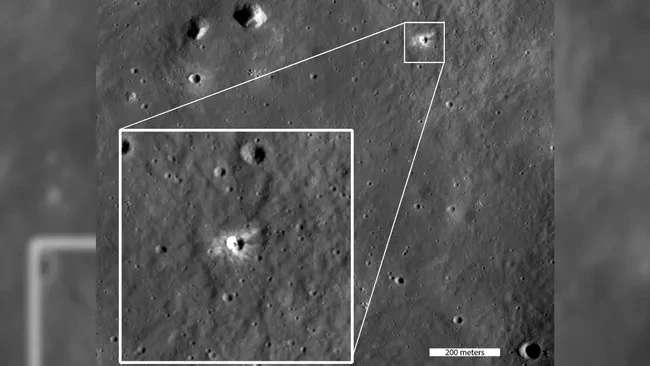
    1. A new crater on the Moon, measuring 22 meters across, was discovered using the Lunar Reconnaissance Orbiter Camera (LROC).
    2. The impact that created the crater threw debris tens of meters away, indicating a significant event.
    3. The crater likely formed between 2009 and 2012 and is small compared to larger craters like the South Pole–Aitken basin.
    4. Understanding the frequency of impacts and crater degradation is vital for ensuring astronaut safety during future Moon missions.
    5. This discovery could help identify optimal landing sites for upcoming lunar missions, facilitating successful exploration efforts.


    While the Moon acts as Earth’s natural satellite, it features numerous craters, with some being quite noticeable. Recently, however, astronomers have identified a new crater measuring 22 meters across, which could play a significant role in the future of space exploration.

    Discovery Details

    This finding was achieved using the Lunar Reconnaissance Orbiter Camera (LROC) aboard the LRO. Initial observations suggest that the impact caused debris to be thrown tens of meters away from the crater itself.

    Historical Context

    Although this finding might remind some of two impacts seen by an amateur astronomer in early November, it seems that this event took place sometime between 2009 and 2012. It’s important to note that this crater is relatively small and appears to be nestled among many larger ones. For instance, the South Pole–Aitken basin is about 2,500 km in diameter, significantly overshadowing this newly discovered crater.

    Importance for Future Missions

    Nonetheless, this discovery holds great intrigue for astronomers. Future space missions aim to establish a colony on the Moon, and understanding the frequency of these impacts is crucial for ensuring the safety of astronauts on this natural satellite. A press release emphasized:

    “The LROC discovery of new craters is essential for understanding impact rates and crater degradation rates over time, as well as for planning safe, successful missions to the Moon.”

    Moreover, this finding could assist scientists in pinpointing an optimal landing site in the near future, paving the way for many successful missions in the years ahead.


    Source:
    Link


  • NASA Discovers Mysterious Object Beneath Moon’s Surface

    NASA Discovers Mysterious Object Beneath Moon’s Surface

    Key Takeaways

    1. NASA’s Lunar Reconnaissance Orbiter has discovered caves on the Moon, identified through advanced imaging techniques.
    2. Sixteen craters have been highlighted as promising candidates for further exploration, particularly in Mare Tranquillitatis and Mare Ingenii.
    3. Caves could provide shelter for astronauts from cosmic radiation during future missions.
    4. The stable climate within these caves may support equipment operation and daily activities for astronauts.
    5. Further research is needed to map these formations, evaluate their stability, and analyze their composition.


    When we gaze at the Moon, it appears dull and lifeless, yet NASA has uncovered an intriguing find beneath its surface. This could have positive implications for upcoming space missions.

    Caves on the Moon

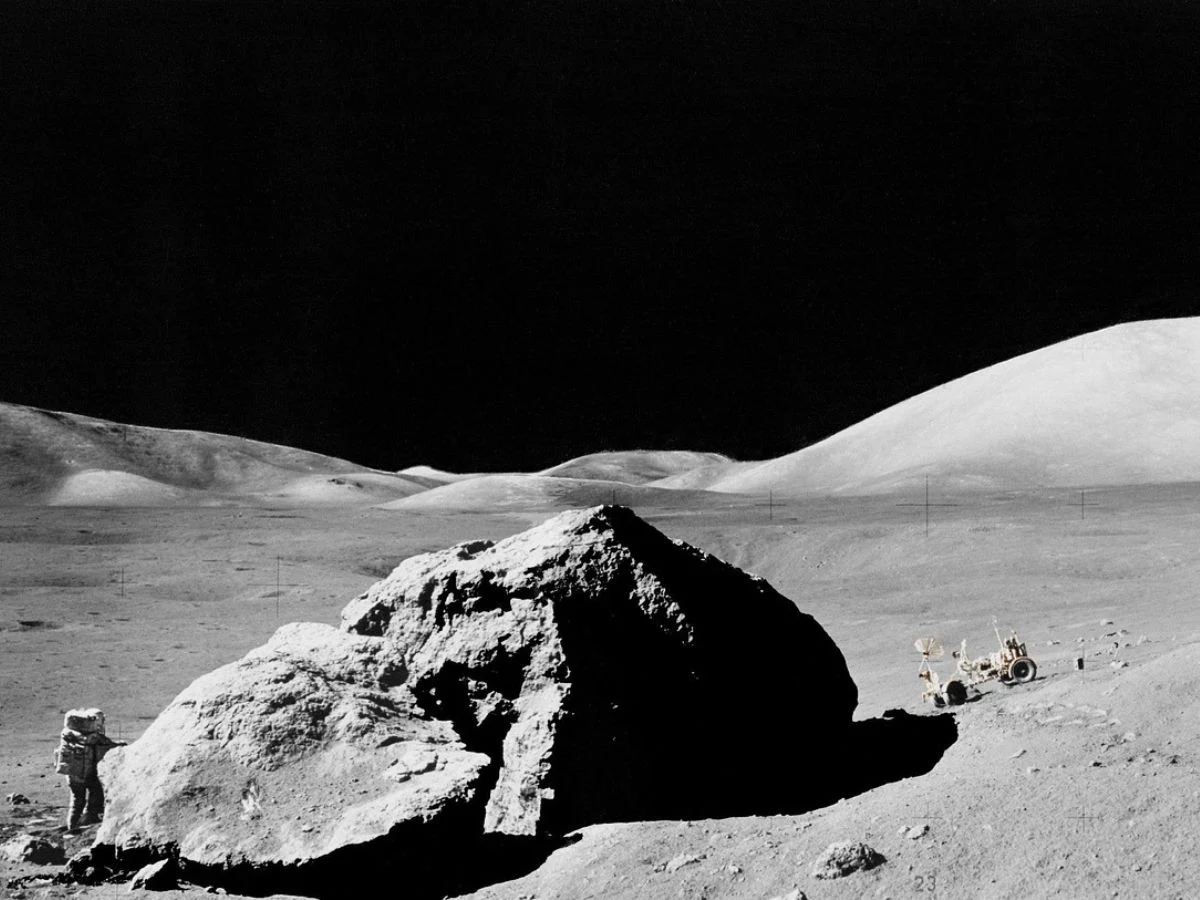
    The Lunar Reconnaissance Orbiter has captured images revealing caves on the Moon. Specifically, these are craters with shadowed areas created by rocks that hang over them, and some of these structures might contain hollow spaces within the rock.

    Promising Findings

    This significant discovery was achieved through fifteen years of advanced image processing methods. Out of over a hundred craters identified, sixteen stand out as the most promising candidates. These are situated in Mare Tranquillitatis, the Apollo 11 landing site, as well as in Mare Ingenii, which is found on the Moon’s far side.

    Future Missions

    Understanding the importance of this discovery is crucial, as it could be a valuable resource for future missions to our Moon. Astronauts stationed within these caves might find shelter from cosmic radiation, enhancing their safety.

    Moreover, the climate in these regions appears to be stable, which would favor the operation of various equipment and support daily activities. Although this finding is remarkable and has the potential to revolutionize space exploration, it is essential to carry out more research to chart these formations, assess their stability, and study their makeup.

    Source:
    Link