Tag: Lenovo

  • Lenovo’s Nvidia RTX 5050 Gaming Laptops Not Budget-Friendly

    Lenovo’s Nvidia RTX 5050 Gaming Laptops Not Budget-Friendly

    Nvidia is preparing to launch the RTX 50-series GPUs, with the potential reveal planned for CES 2025. A recent report indicates that the company has ceased production on nearly all of the RTX 40-series GPUs. Additionally, a Product Manager from Lenovo has mentioned that the RTX 4050 Laptop GPU will continue to be available alongside its upcoming successor.

    Updates on the RTX 5050 Laptop GPU

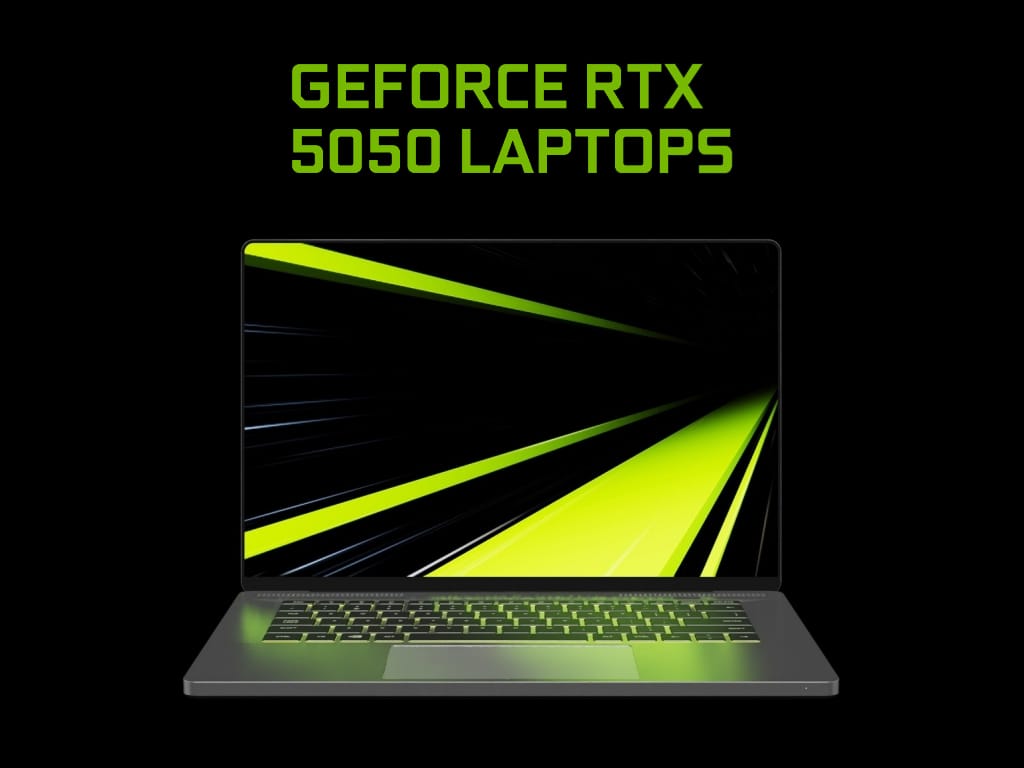
    The Lenovo Product Manager clarified that the RTX 5050 Laptop GPU will not be taking the place of the RTX 4050. According to the company official, this new mobile GPU is aimed at gaming laptops that fall into a higher price category.

    For those who are curious, gaming laptops equipped with the RTX 4050 can be found for under $1,000, with some models priced around $900 (like the MSI Thin 15, currently at $599.99 at Best Buy). While the Lenovo Product Manager hasn’t disclosed the starting price for the RTX 5050 laptops, it’s reasonable to expect that they will be similarly priced to the current RTX 4060 models.

    Specs of the New Nvidia GPU

    Regarding the new entry-level Nvidia Blackwell GPU, previous leaks have suggested that the RTX 5050 Laptop GPU might feature more cores than the previous model and could include 8 GB of GDDR7 memory. For comparison, the RTX 4050 Laptop comes with 6 GB of GDDR6 memory and is equipped with 2560 CUDA cores.

    It’s also worth mentioning that Nvidia is likely to maintain the stock of the RTX 4060 Laptop, as it shares the same AD107 GPU architecture with the RTX 4050 Laptop. However, it remains uncertain how long the laptops with the RTX 4060 will be available, especially if the RTX 5050 Laptop is indeed aimed at a higher pricing tier; the new entry-level Blackwell model may take its place.

    Weibo (translated from Chinese) via: Wccftech

    Source: Link,Link


    Image 1
  • ThinkPad P1 Gen 7: 165Hz Screen vs. Battery Life Issues

    ThinkPad P1 Gen 7: 165Hz Screen vs. Battery Life Issues

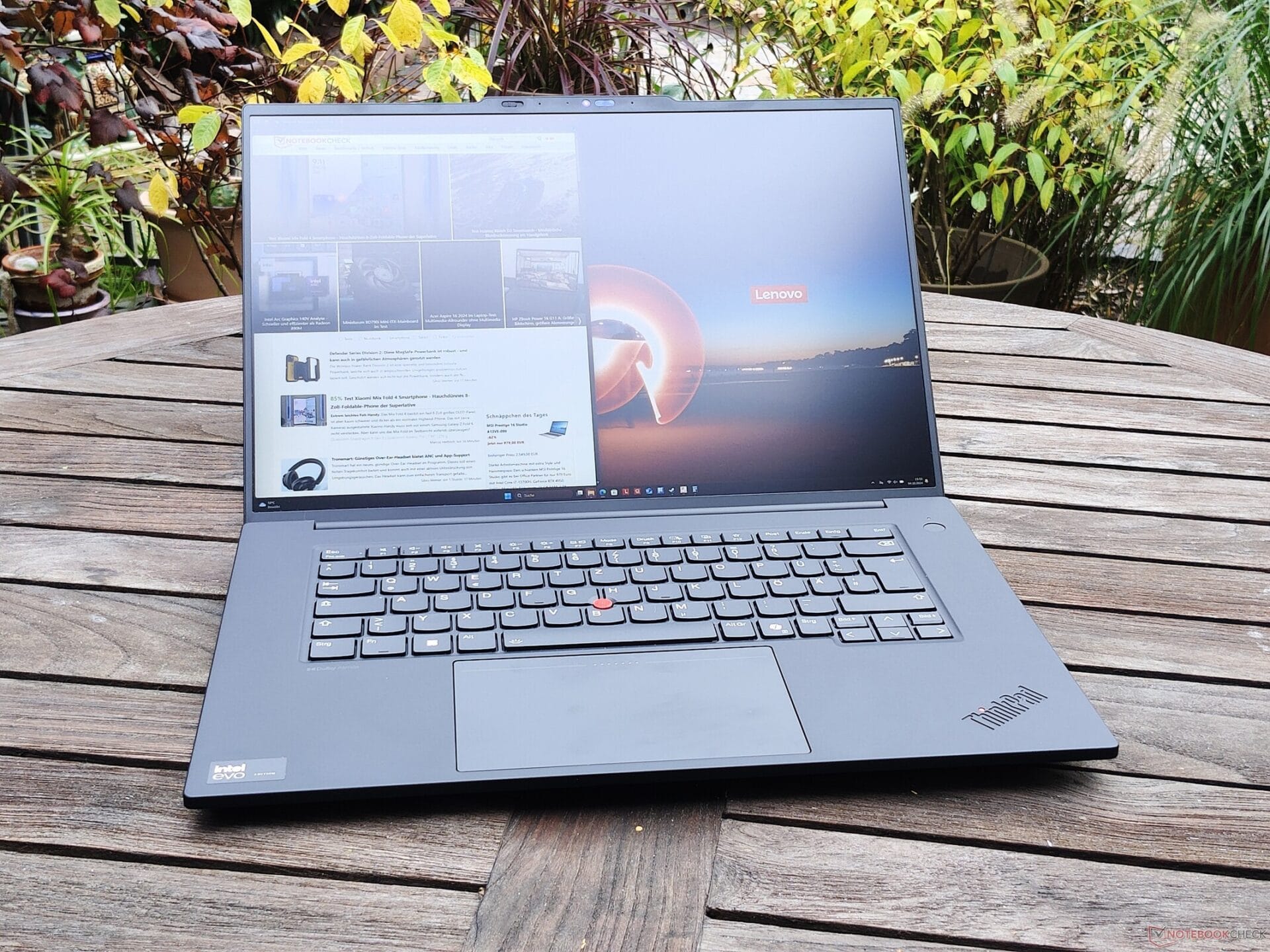
    Screens with high refresh rates are really awesome. They make gaming feel much smoother, and scrolling the web is more fluid too. Lately, many high-end smartphones have included these high refresh rate screens, and now premium laptops are also starting to feature them. A good example of this is the Lenovo ThinkPad P1 Gen 7, which we recently reviewed in detail. The laptop comes with a WQXGA (2,560 x 1,600) LCD that supports a refresh rate of 165 Hz.

    Battery Life Concerns

    There is, however, a downside: quicker screens use up more power. This leads to decreased battery life. We put it to the test: with the display set at 165 Hz, the ThinkPad P1 Gen 7 (which you can find on Amazon.com for $1,899) lasted for seven hours and 30 minutes during our Wi-Fi battery assessment (at maximum brightness). When we switched the refresh rate to 60 Hz, we saw an improvement. In this mode, the Lenovo laptop managed to run for nine hours.

    Dynamic Refresh Rate Missing

    The effect of the refresh rate on battery life could be less significant since Windows has a feature called Dynamic Refresh Rate. When this setting is turned on, the screen switches automatically between 60 Hz and 165 Hz, which helps save battery. Sadly, the Lenovo ThinkPad P1 Gen 7 does not support this feature. It’s baffling why Lenovo didn’t add this, as it seems like a simple way to enhance battery performance. Therefore, users are left to decide: a smoother experience or longer battery life—there’s no middle ground.

    In conclusion, the Notebookcheck review of the Lenovo ThinkPad P1 Gen 7 highlights these key aspects.

  • Lenovo ThinkSmart Core Gen 2 Launches with Intel Meteor Lake Processors

    Lenovo ThinkSmart Core Gen 2 Launches with Intel Meteor Lake Processors

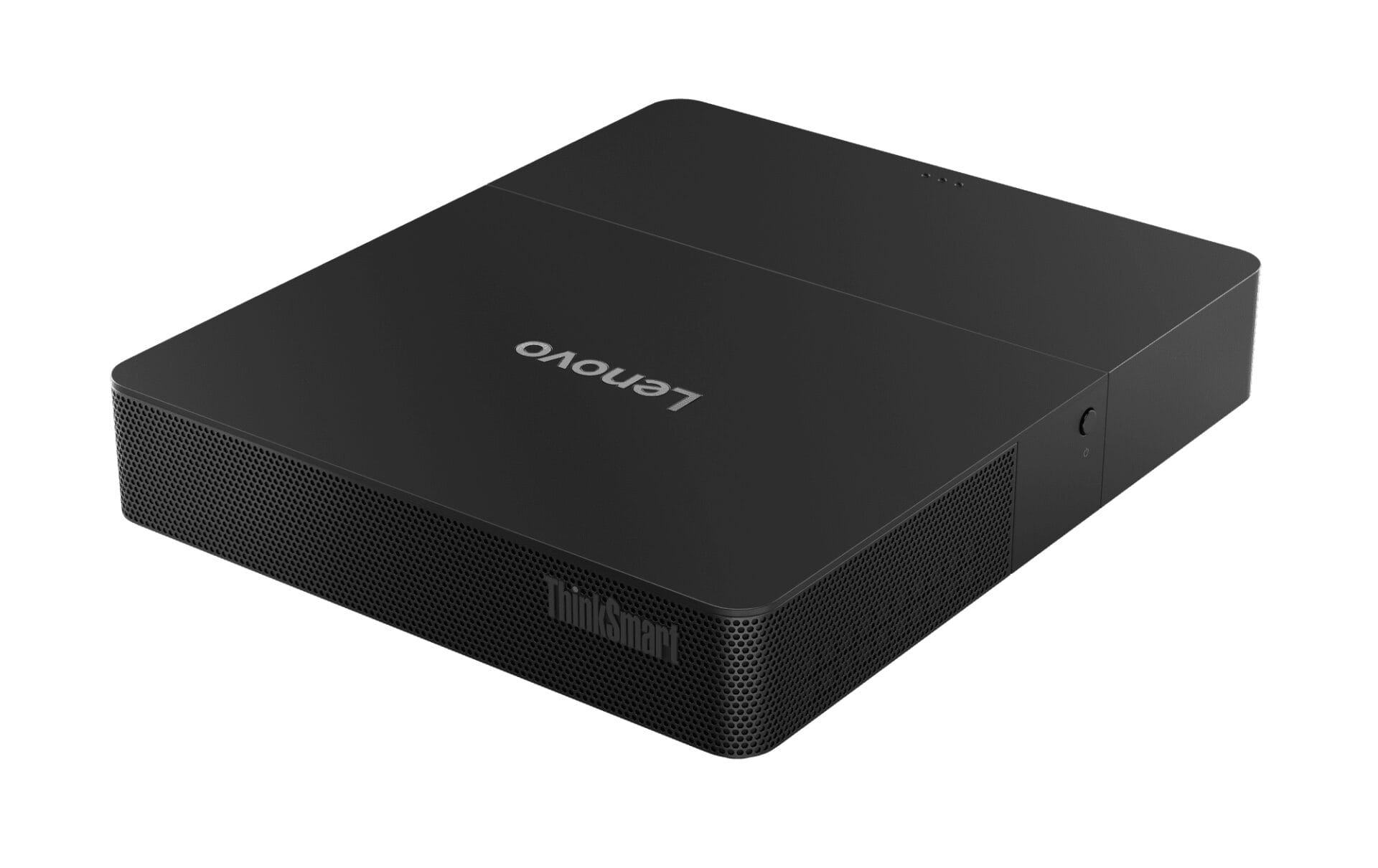
    Lenovo has introduced the ThinkSmart Core Gen 2, which at first glance appears to be a sizable mini-PC. Nevertheless, the company asserts that this gadget is an early instance of an ‘AI optimized compute device’ crafted to enhance video conferencing environments. In line with this goal, the ThinkSmart Core Gen 2 operates on Windows 11 IoT, rather than the more common Windows 11 Pro.

    AI Features and Specifications

    Moreover, Lenovo’s promotional materials often highlight the device’s AI features, credited to its specialized NPU. However, this claim holds true primarily due to the incorporation of Intel Meteor Lake processors, specifically the Core Ultra 5 135H and Core Ultra 7 165H equipped with Intel vPro. As a point of reference, the ThinkSmart Core Gen 2 is also fitted with DDR5-5600 RAM and PCIe TLC storage, all housed in a fanless design measuring 185 x 220 x 38 mm and weighing 860 g.

    Connectivity and Software

    In addition, Lenovo has incorporated seven USB ports, three HDMI ports, and a cable management system. Furthermore, every ThinkSmart Core Gen 2 unit will come with ThinkSmart Manager software and Lenovo ThinkShield pre-installed. The ThinkSmart Core Gen 2 is slated to be released later this year, priced at $2,900 in the US, and it will include an IP controller or ThinkSmart controller to accommodate various room configurations.


    Image 1
    Image 1
  • Lenovo Legion Y700 (2024): 165Hz Display & Snapdragon 8 Gen 3

    Lenovo Legion Y700 (2024): 165Hz Display & Snapdragon 8 Gen 3

    As anticipated, Lenovo has officially launched its latest Legion Y700 (2024) gaming tablet, designed specifically for avid gamers. Here are the main specifications.

    Key Specifications of the Lenovo Legion Y700 (2024)

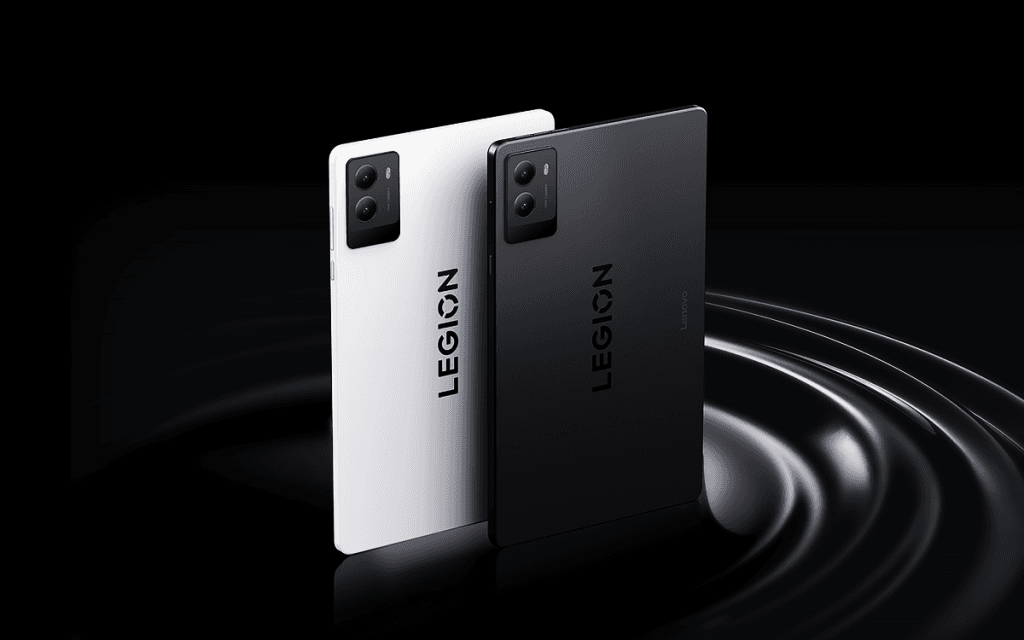
    The Lenovo Legion Y700 features an 8.8-inch gaming screen with a resolution of 2560×1600, delivering crisp visuals with a pixel density of 343 PPI. It boasts a refresh rate of 165Hz, which ensures a fluid gaming experience. The display supports a wide DCI-P3 color gamut and maintains high color accuracy with an average DeltaE of less than 1.

    Additionally, the tablet incorporates global DC dimming and has a typical brightness of 500 nits. It is TÜV Rheinland certified, ensuring low blue light emission and flicker-free performance, which helps to protect your eyes during extended gaming sessions.

    Performance and Features

    At its core, the tablet runs on the Qualcomm Snapdragon 8 Gen 3 processor, coupled with LPDDR5X RAM and UFS 4.0 storage, promising swift and effective performance. The Y700 utilizes Lenovo’s QianKun cooling system, which includes a substantial 10,004mm² vapor chamber designed for optimal heat management, even under intensive use.

    The device also offers an optional Super Control Dynamic screen that enhances smoothness by 4.1 times, minimizes screen glare by 96.5%, and reduces reflection points by 45%, making it ideal for outdoor gaming.

    Moreover, the tablet is equipped with Lenovo’s unique Lingjing Engine, which decreases touch latency by 32.2% and network latency by 45.8% for certain games, providing a strategic advantage in multiplayer scenarios.

    Connectivity and Design

    The tablet features dual USB-C ports that allow for simultaneous charging and wired headphone connectivity, with one port supporting DP video output. It includes dual X-axis linear motors and dual ultra-linear speakers, which enrich the gaming experience with immersive sound and precise haptic feedback. Weighing only 350g, it is both lightweight and easy to carry.

    The Lenovo Y700 (2024) runs on ZUI 16.1 and is powered by a 6,550mAh battery, which allows for up to 14.6 hours of video playback and 8.9 hours of gaming.

    Pricing and Availability

    Pre-orders for the Lenovo Legion Y700 (2024) are now open in Carbon Black, with prices starting at 2,899 yuan ($413) for the 12GB + 256GB model and 3,299 yuan ($470) for the 16GB + 512GB version. The Ice White models are priced at 2,999 yuan ($427) and 3,399 yuan ($484) for the same configurations.

    The Super Control Dynamic variant will be available starting at 3,299 yuan ($470) for the 12GB + 256GB model, and 3,799 yuan ($542) for the 16GB + 512GB Ice White version.

    Sales for the Carbon Black version will commence on October 25, while the release date for the Ice White version is yet to be announced.


    Image 1
  • Lenovo Xiaoxin 100GT: 1080p Projector with 500 Lumens & 360° View

    Lenovo Xiaoxin 100GT: 1080p Projector with 500 Lumens & 360° View

    Lenovo has launched the Xiaoxin 100GT projector in China, a compact device packed with features that provide high-quality visuals and immersive audio. Here are the main specifications of this projector.

    Lenovo Xiaoxin 100GT Projector Specifications

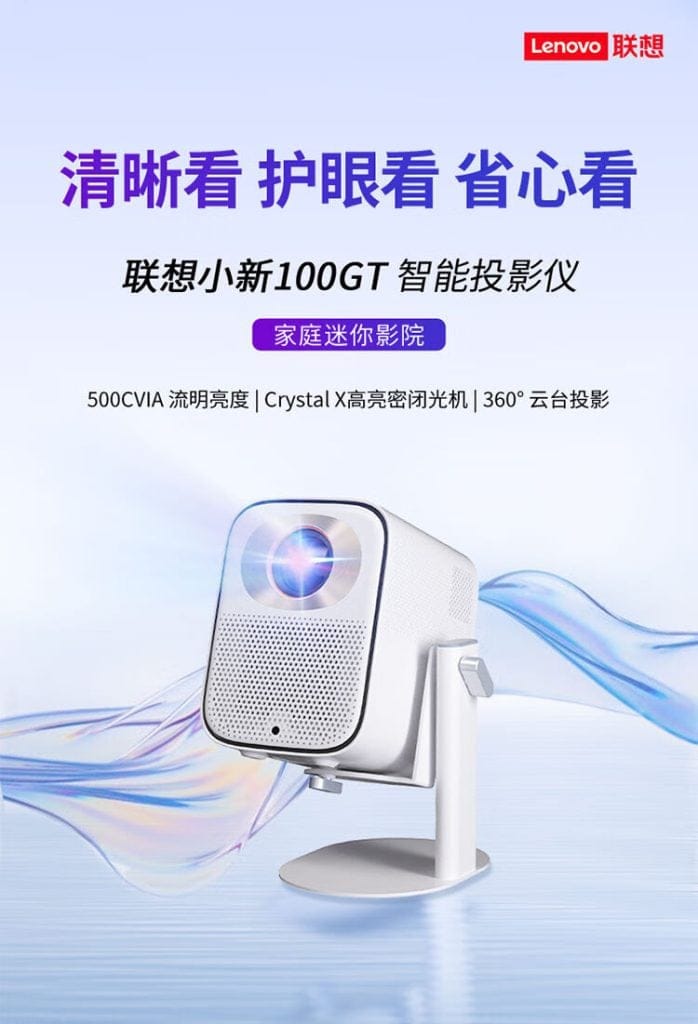
    The Xiaoxin 100GT offers a brightness of 500 CVIA lumens, which is roughly equivalent to 1400 ANSI lumens, allowing for clear and bright images even in rooms with some ambient light. It features a Crystal X fully sealed optical engine that helps extend the projector’s lifespan by preventing dust build-up within the lens system. The projector provides a 1080p resolution and can decode content at 1080p@60Hz. It runs on 2GB of RAM and comes with 32GB of internal storage, giving users plenty of space for apps and media.

    For connectivity, the device supports Wi-Fi 6 and Bluetooth 5.0, ensuring quick and reliable connections. A HiSilicon chipset powers the projector, enabling smooth performance and efficient content decoding.

    Special Features

    One of the standout features of the Xiaoxin 100GT is its 360° portable mount, allowing for flexible projection from any angle, whether it’s ceiling-mounted or placed on a table, thus ensuring an optimal viewing experience in different environments. It operates on Lenovo’s ZUI Smart Projection OS, which offers a boot experience free from ads and includes smart functions like automatic keystone correction, auto-focus, and screen alignment. Additionally, it features intelligent obstacle avoidance, adjusting images to steer clear of any obstructions in the projection area.

    For viewers concerned about eye health, Lenovo has integrated low blue light and diffuse reflection technologies to reduce strain during long viewing sessions.

    Audio Experience

    The audio capabilities of the Lenovo Xiaoxin 100GT are impressive as well, featuring dual 5W full-range speakers housed in a 400cc sound cavity. These speakers are designed to deliver a rich and immersive sound experience, tuned for bass down to 80Hz, enhancing the overall viewing experience.

    Pricing & Availability

    The Lenovo Xiaoxin 100GT Projector is now available for purchase on JD.com at an introductory price of 1,079 yuan ($153). Additionally, Lenovo plans to launch a new gaming tablet, the Legion Y700, on September 29th. This tablet will be powered by the Snapdragon 8 Gen 3 chip, offering remarkable performance with an average of 59.9 FPS in 3D and RPG games while maintaining low power consumption. It will also feature a 165Hz refresh rate display and a large vapor chamber cooling system for better thermal management.

  • Lenovo Unveils Legion Tablet’s Performance in 3D and RPG Games

    Lenovo Unveils Legion Tablet’s Performance in 3D and RPG Games

    Lenovo is set to introduce its new gaming tablet, the Legion Y700, in China on September 29th. We already knew it would be equipped with the powerful Snapdragon 8 Gen 3 chip, but Lenovo has now revealed some initial performance results for the Legion Y700 (2024) to build excitement.

    Performance Insights for Gamers

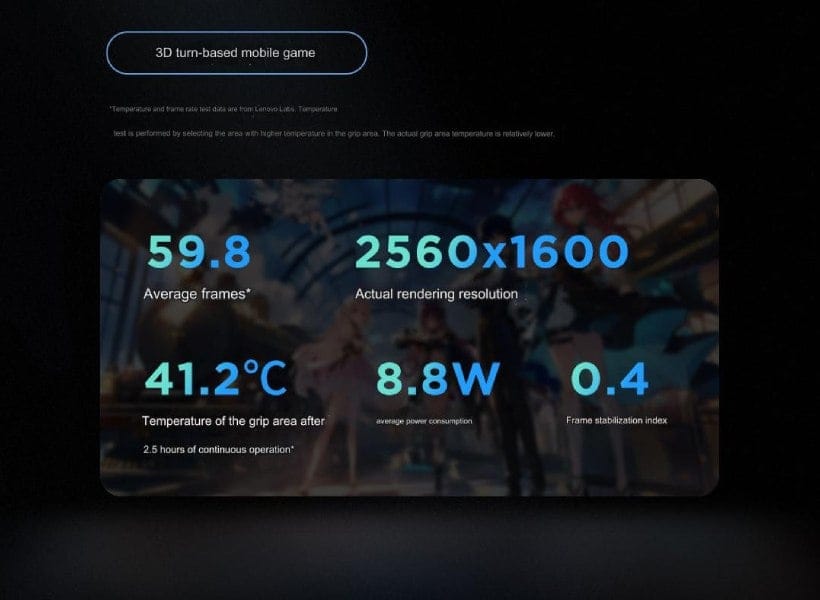
    As per Lenovo’s post on Weibo, the Y700 achieves an average of 59.8 FPS in 3D turn-based mobile games at a resolution of 2560×1600 pixels. This performance is commendable, especially with a low power consumption of only 8.8W.

    RPG enthusiasts will find this even more intriguing. Lenovo reports an average of 59.9 FPS in open-world RPGs, with a rendering resolution of 1728×1080 pixels, consuming 9.5W of power. The promotional image features a scene from Genshin Impact, a well-known resource-intensive title on Android. Although specific games were not listed, this indicates that the Y700 can manage demanding games with ease.

    Impressive Benchmark Figures

    For combat mobile games, the tablet maintains an average of 59.9 FPS at a resolution of 2304×1440 pixels. While no specific titles are mentioned, the high resolution is certainly encouraging. These performance figures are commendable, but it’s important to consider the recently released RedMagic Nova, which also utilizes the Snapdragon 8 Gen 3 but with the “Leading Version” variant that may offer slightly improved performance. However, we will need to wait for detailed reviews to make a fair comparison.

    Specifications and Features

    In addition to its powerful Snapdragon processor, the Y700 (2024) includes a smooth 165Hz refresh rate display. It also features a vapor chamber cooling system designed to manage heat effectively. This cooling system is notably large, measuring 10,004 mm², which Lenovo claims is comparable to the size of a mobile screen.

    We won’t have to wait long to see the real-world performance of this device. The Legion Y700 will be launched in just two days, and reviews are expected to appear shortly after. In the meantime, you can check out our review of last year’s model linked below.


    Image 1
    Image 1
  • Lenovo Legion Y700 Gaming Tablet Hands-On Video Highlights

    Lenovo Legion Y700 Gaming Tablet Hands-On Video Highlights

    Lenovo seems poised to make a significant impact in the gaming tablet market with the much-anticipated 2024 update of the popular Legion Y700 gaming tablet. The company has teased the device multiple times on its official Weibo account, with the latest teasers revealing more details about its features.

    Enhanced Design and Cooling

    The new Legion Y700 will be powered by a Snapdragon 8 Gen 3 SoC, which is said to have a ‘restructured’ internal layout. This design positions the SoC near the upper middle of the tablet, aiming to lower temperatures in crucial areas where users typically hold the device while gaming in landscape mode. This innovative placement could reduce temperatures by as much as 4.3 degrees Celsius, enhancing the gaming experience.

    Impressive Display and Performance

    The gaming tablet was prominently featured in Lenovo’s recent promotional video, showcasing its gaming capabilities. As anticipated, the Legion Y700 sports an 8.8-inch display that many gamers appreciate for its compact size. The video highlights the tablet in a sleek matte black finish, demonstrating its versatility for both gaming and other media consumption while on the move.

    The specifications of the Legion Y700 are noteworthy, including a 165 Hz IPS display with a resolution of 2560 x 1600, DCI-P3 color coverage, and a maximum brightness of 500 nits. It’s expected that the Snapdragon 8 Gen 3 SoC will be paired with up to 12 GB of RAM, as suggested by a recent Geekbench leak.

    Anticipation for Launch

    With the official launch date for the Legion Y700 gaming tablet approaching, fans won’t have to wait much longer. However, those residing in the US and other regions may experience a slight delay, but a global launch is likely to follow soon after.

    Lenovo via Weibo


    Image 1
  • Lenovo Unveils Compact Legion Gaming Tablet in Matte Black Finish

    Lenovo Unveils Compact Legion Gaming Tablet in Matte Black Finish

    Lenovo is set to unveil a new gaming tablet called the 2024 Legion Y700. This device will compete with the RedMagic Nova, but it has some unique features that could give it an edge. Recent teasers from Lenovo indicate that the tablet will be powered by the Snapdragon 8 Gen 3, which the company has officially confirmed.

    Performance and Display

    Thanks to this SoC, the 2024 Lenovo Legion Y700 is expected to perform on par with the RedMagic Nova. However, Lenovo has pointed out that its new gaming tablet will come with an 8.8-inch display, making it slightly more compact and easier to transport compared to the RedMagic’s latest model.

    Design and Features

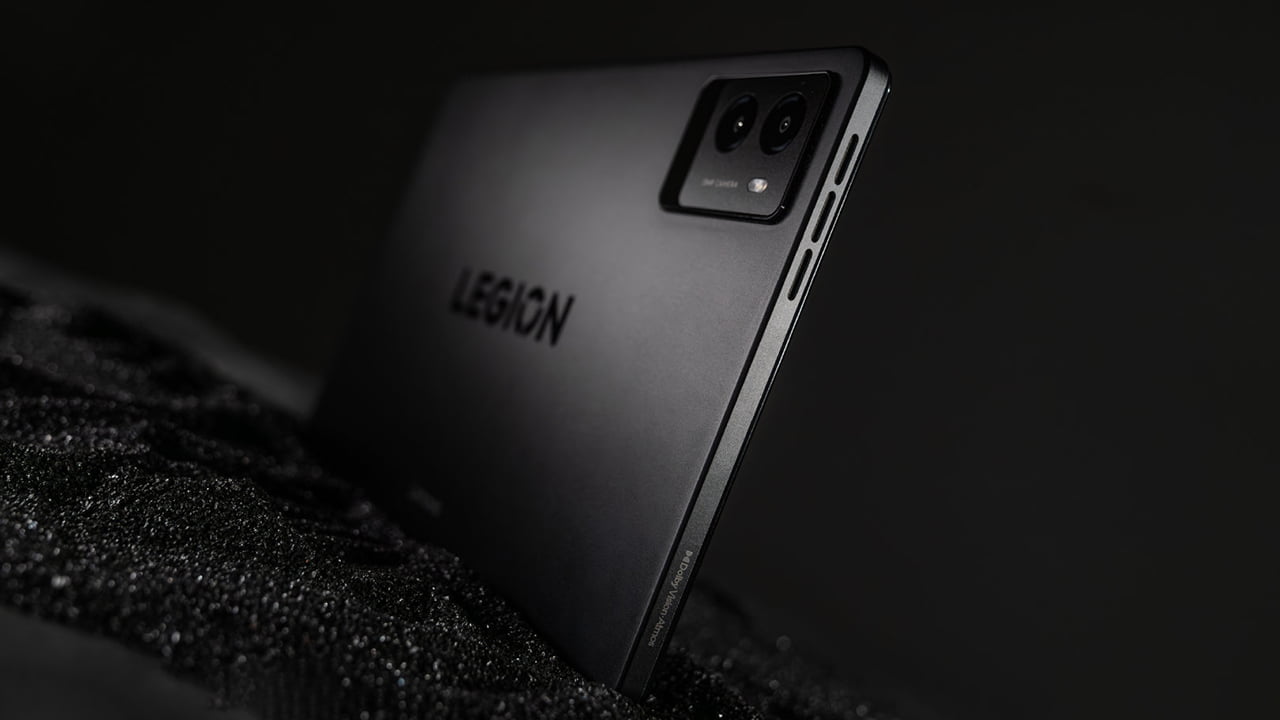
    Lenovo has also released several images of the 2024 Legion Y700, showcasing it in a stylish matte black finish. In contrast, its predecessor was offered in a gray shade but also had an 8.8-inch IPS screen (2023 Tab M9 curr. $109.99 on Amazon).

    Another important feature is that the camera design on the back mirrors that of the 2023 Legion Y700, indicating that the upcoming tablet will include a dual-camera setup. Additional specifications for the 2024 model remain undisclosed for now.

    Upcoming Release

    A recent listing on Geekbench suggests that the 2024 Legion Y700 will come with a configuration of 12 GB RAM. Earlier reports indicated that the gaming tablet might launch in China next month, and with the latest teasers, Lenovo hints that an official announcement will be made on September 29.


    Image 1
    Image 1
  • Lenovo Launches Black Myth: Wukong 170W GaN Charger

    Lenovo Launches Black Myth: Wukong 170W GaN Charger

    Lenovo’s gaming division, known as Lenovo Legion Savior, has teamed up with the action role-playing game “Black Myth: Wukong” to launch a special edition gallium nitride (GaN) charger.

    This collaborative product, the C170 adapter, is currently open for pre-order on JD.com in China. It will officially go on sale on September 30th at 10:00 AM CST, priced at 299 yuan (approximately $43 USD). Let’s delve into its specifics below.

    Specifications of the Lenovo x Black Myth: Wukong GaN Charger

    Aesthetically, the C170 breaks away from the standard minimalist look of GaN chargers. It boasts a distinctive design highlighted by a prominent, laser-etched golden “Y” logo, a hallmark of the Lenovo Legion brand. The charger’s exterior is also embellished with a “mural texture,” which seems to nod to the mythical universe of Black Myth: Wukong.

    With dimensions of 71 x 71 x 31 mm and a weight of about 245 grams, the C170 is both compact and convenient for travel. It includes one USB-C port and is packaged with a USB-C to Lenovo C-Slim square port “superpower cable.” This cable delivers up to 170W of power to compatible Lenovo Savior gadgets.

    Versatile Charging Capabilities

    The C170 isn’t limited to just Lenovo products. It supports multiple fast-charging protocols like PD 3.0, QC 3.0, and PPS, making it adaptable for various devices from other brands that align with these standards.

    Overall, the Lenovo Savior x Black Myth: Wukong joint charger is an intriguing choice for gaming enthusiasts and anyone in need of a robust, portable GaN charger for their compatible tech. However, it’s important to remember that this charger is presently available for reservation only in China, with no details yet on international release plans.


    Lenovo Launches Black Myth: Wukong 170W GaN Charger
  • Lenovo Teases New Xiaoxin Pad Pro 12.7 Tablet with Super Connectivity

    Lenovo Teases New Xiaoxin Pad Pro 12.7 Tablet with Super Connectivity

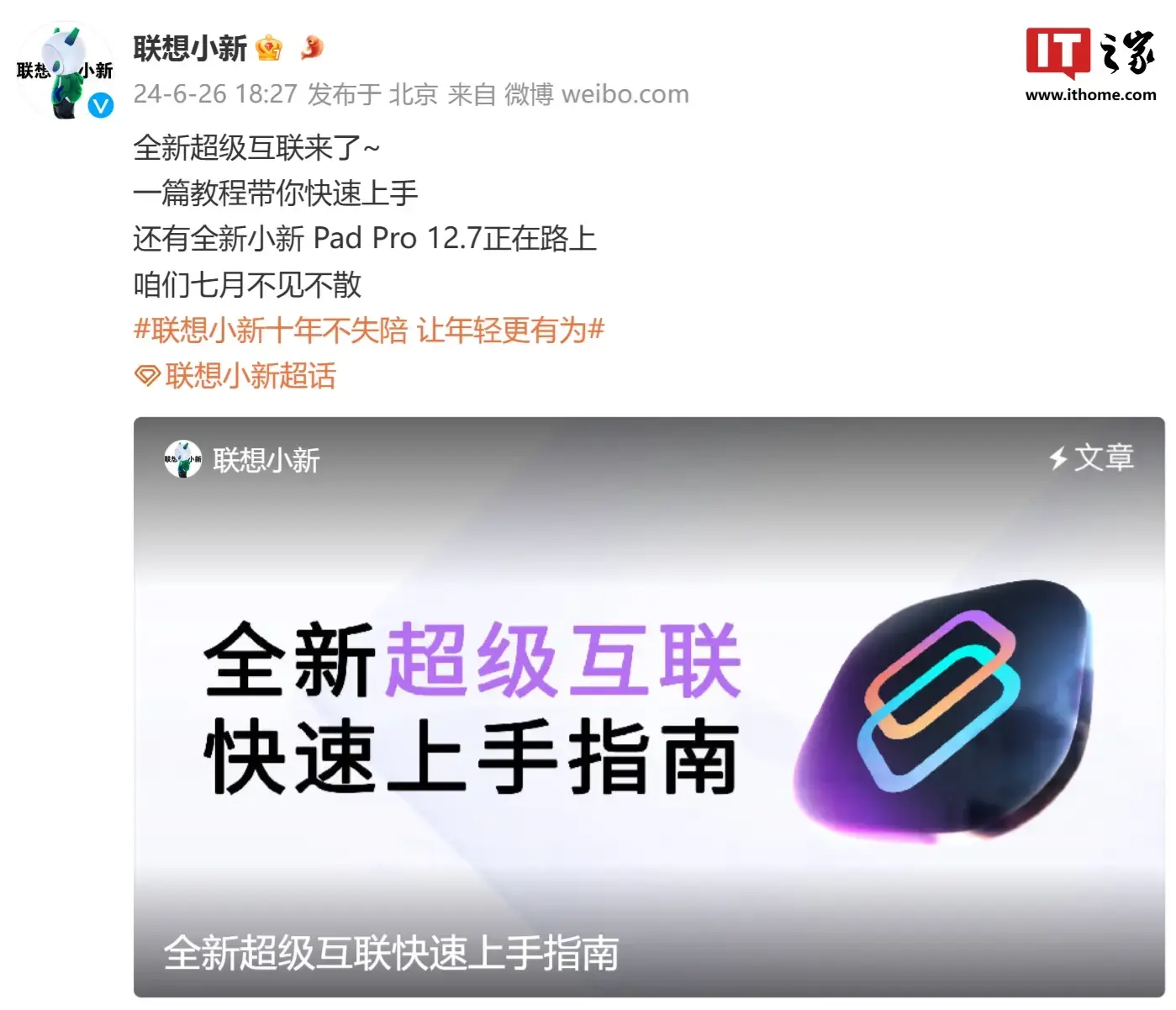
    Lenovo has recently unveiled a new feature named “Super Connectivity” in conjunction with the announcement of the latest version of their Xiaoxin Pad Pro 12.7 tablet, which is expected to launch in July. Super Connectivity is designed to provide a seamless experience for users who own multiple Lenovo devices, focusing on three main functionalities.

    Enhanced Device Ecosystem

    Lenovo seems to be aiming to refine and streamline its device ecosystem. Super Connectivity serves as a file transfer hub, enabling users to share files of any size effortlessly between compatible Lenovo devices. Beyond basic file sharing, Super Connectivity introduces an “Application Transfer Station.” This feature might allow users to transfer applications, potentially preserving their current state or progress, from one device to another. It could also include functionalities like a “computing power shuttle” for resource-intensive tasks, projecting apps onto a larger screen, and even relaying tasks between devices, similar to Apple’s Handoff feature.

    Central Hub Functionality

    The “Device Hub Station” appears to aim at positioning the Xiaoxin Pad Pro 12.7 as a central hub for other devices. Users could potentially connect a keyboard and mouse to the tablet for a more desktop-like experience. Additionally, wireless secondary screen functionality might be part of this hub station, allowing the tablet to project its display onto another device wirelessly.

    Upcoming Release Details

    Although specific details about the Xiaoxin Pad Pro 12.7 are still scarce, it seems to be the cornerstone for Lenovo’s Super Connectivity ecosystem. The tablet has already received China’s 3C certification (model TB375FC) and is anticipated to include a 45W charger in the package.

    As we get closer to the July release date, more information regarding the specifications, design, and exact functionalities of both Super Connectivity and the Xiaoxin Pad Pro 12.7 tablet is expected to be disclosed.


    Lenovo Teases New Xiaoxin Pad Pro 12.7 Tablet with Super Connectivity