
Key Takeaways
1. Ballistic recovery systems can save lives by deploying a parachute in emergencies, reducing fatal outcomes in ultralight planes.
2. Garmin Autoland successfully performed its first emergency landing on December 20, 2025, in a King Air 200 aircraft due to cabin pressure loss.
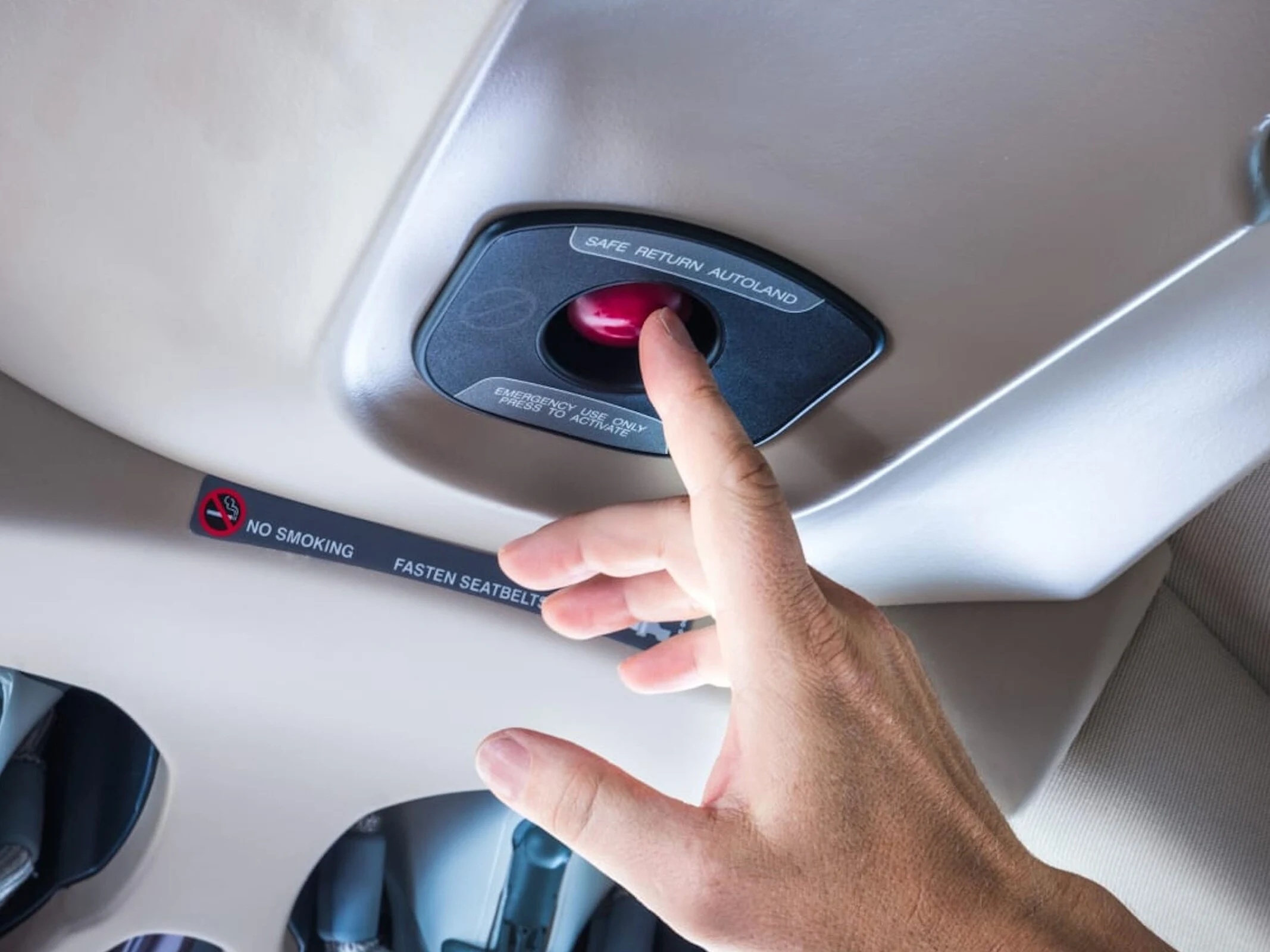
3. The Garmin Autoland system can recognize pilot incapacitation and can be activated by passengers, enhancing safety.
4. The system communicates with air traffic control to provide essential information for a safe landing and coordinate emergency services.
5. Garmin’s technology represents significant advancements in aviation safety, especially during unexpected emergencies.
Anyone who has ever flown in an ultralight plane should have heard about the ballistic recovery system. When either the pilot or a passenger pulls a ripcord, a parachute is launched by a rocket to safely bring the aircraft down. While injuries and serious damage to the aircraft are likely, if the system works as intended, there should be no loss of life. Garmin, a well-known manufacturer, provides this kind of system for multiple aircraft types, which can save lives and often leave the aircraft unharmed.
Successful Emergency Landing
Garmin Autoland recently faced its first real test, so to speak. A King Air 200 aircraft made a successful emergency landing on December 20, 2025. This aircraft is typically for a few passengers and often only has a single pilot. In this case, the pilot was reportedly not unconscious, suggesting that the choice to use Garmin Autoland was made consciously, prompted by a cabin pressure loss.
Advanced Features
Garmin Autoland is more than just an ordinary automated landing system. It’s built to automatically recognize when pilots are incapacitated, but it can also be activated by a passenger if necessary. Additionally, the system communicates with air traffic control to provide information on the estimated landing time and distance to the nearest airport. This allows air traffic control to alert other nearby pilots, clear the runway, and notify emergency services. The passengers on the flight are also kept informed. Garmin states that the system first assesses the best airport based on runway length and fuel levels, then navigates the aircraft towards that location.
Conclusion
In conclusion, Garmin’s innovative technology demonstrates significant advancements in aviation safety, especially in emergency situations. The ability to handle unexpected events like cabin pressure loss with an automated system can make a substantial difference for both passengers and pilots alike.
Source:
Link