
Key Takeaways
1. Privacy concerns are rising as big tech companies collect and sell user data through both software and hardware products.
2. The Intel Management Engine (ME) operates as a closed-source system within Intel processors, raising security and backdoor concerns.
3. The NSA’s removal of the ME from its computers questions Intel’s security claims regarding the ME.
4. Modding processes, like disabling the ME, require specialized knowledge, hardware, and compatibility checks, making them challenging for average users.
5. Users often place trust in manufacturers without clear information about the security of their devices, complicating their understanding of privacy and surveillance risks.
Privacy is becoming more and more important as big tech companies keep releasing products that promise to make users more productive while also collecting and selling their data. Many consumers are starting to understand how their data is used in software, but they often ignore similar practices with hardware. Intel, like other companies, has likely included backdoors in its products, driven by reasons that range from providing helpful remote support to catering to the sometimes questionable requests of government entities. A notable example found in nearly all Intel processors today is the Intel Management Engine.
Understanding the Intel Management Engine
The Intel Management Engine (ME) is a small, closed-source operating system that has been included in Intel processors since it was launched in 2008. Intel claims that the ME’s closed-source nature offers “security through abstraction,” despite the fact that it can access the CPU, RAM, and network components of the system. However, even with Intel’s claims about its security, the ME has been used as a way to escalate privileges and exploit systems. Notably, the NSA has removed the ME from all of its computers, which raises questions about Intel’s security claims and supports the notion that the ME could function as a backdoor or even spyware.
The Modding Challenge
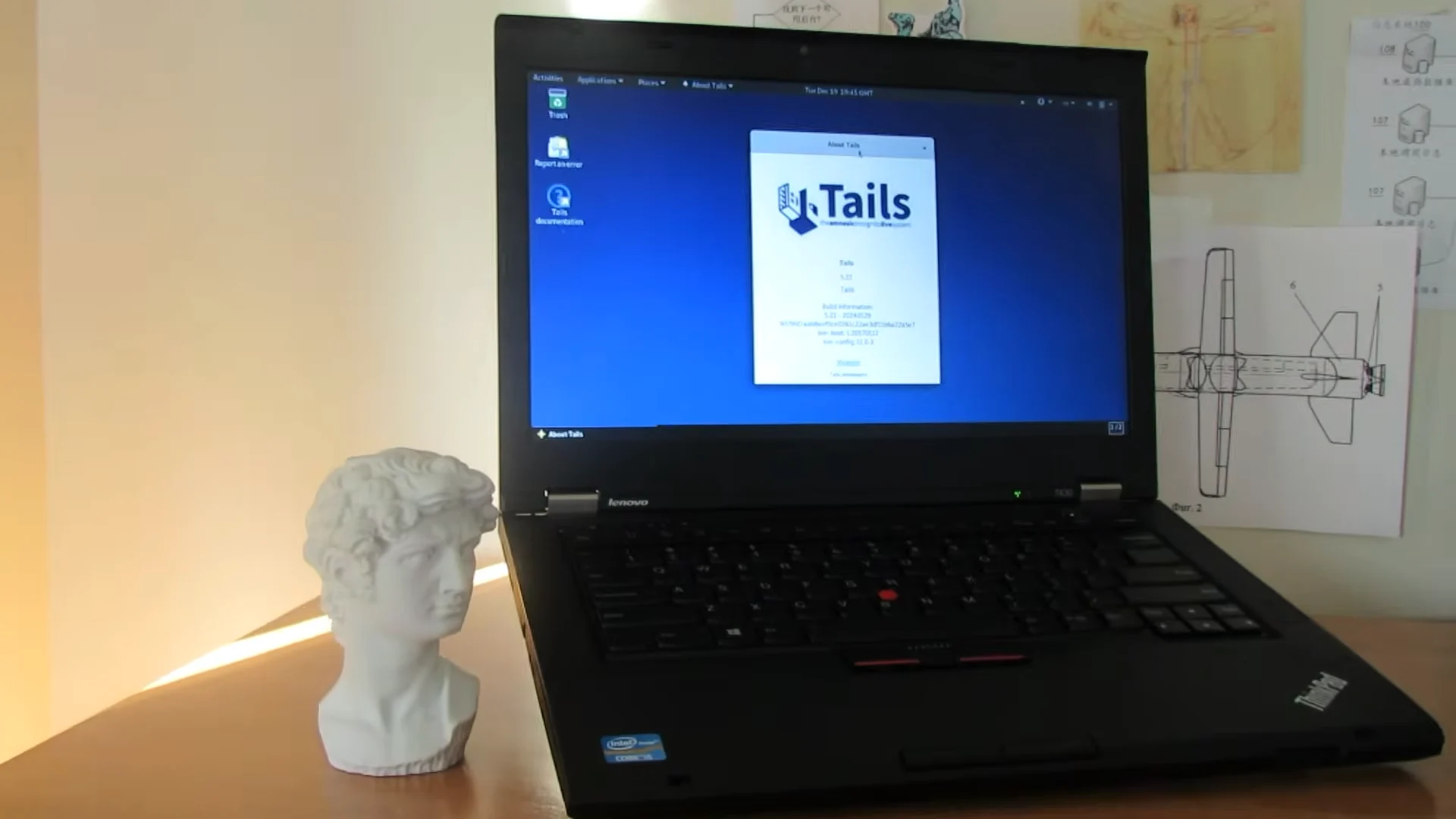
No matter what the ME actually is, YouTuber and modder Livny decided to disable it from his system through a modding process that isn’t for everyone. This project requires not only suitable hardware but also the need to find out if the few open-source BIOS options for Intel processors are compatible. In this instance, the ThinkPad T430 was chosen because it is listed as a modifiable and future-proof device supported by the security community. To complete the mod, Livny used a Raspberry Pi, a SOIC clip, and a fully disassembled T430 with the BIOS chip accessible. He then flashed a pre-built version of coreboot onto the ThinkPad and utilized a tool named me_cleaner to disable the ME outside of the boot verification process.
Weighing the Risks and Rewards
For many people, undertaking this project seems like a lot of effort for what might appear to be a small gain. Yet, the intricate nature of this task highlights how much trust users put in something that is presumed to prioritize their best interests. Having a secure personal computer is certainly valuable, but without clear information from the manufacturer, users can never be entirely sure if their computer is truly secure or just a tool for surveillance.