
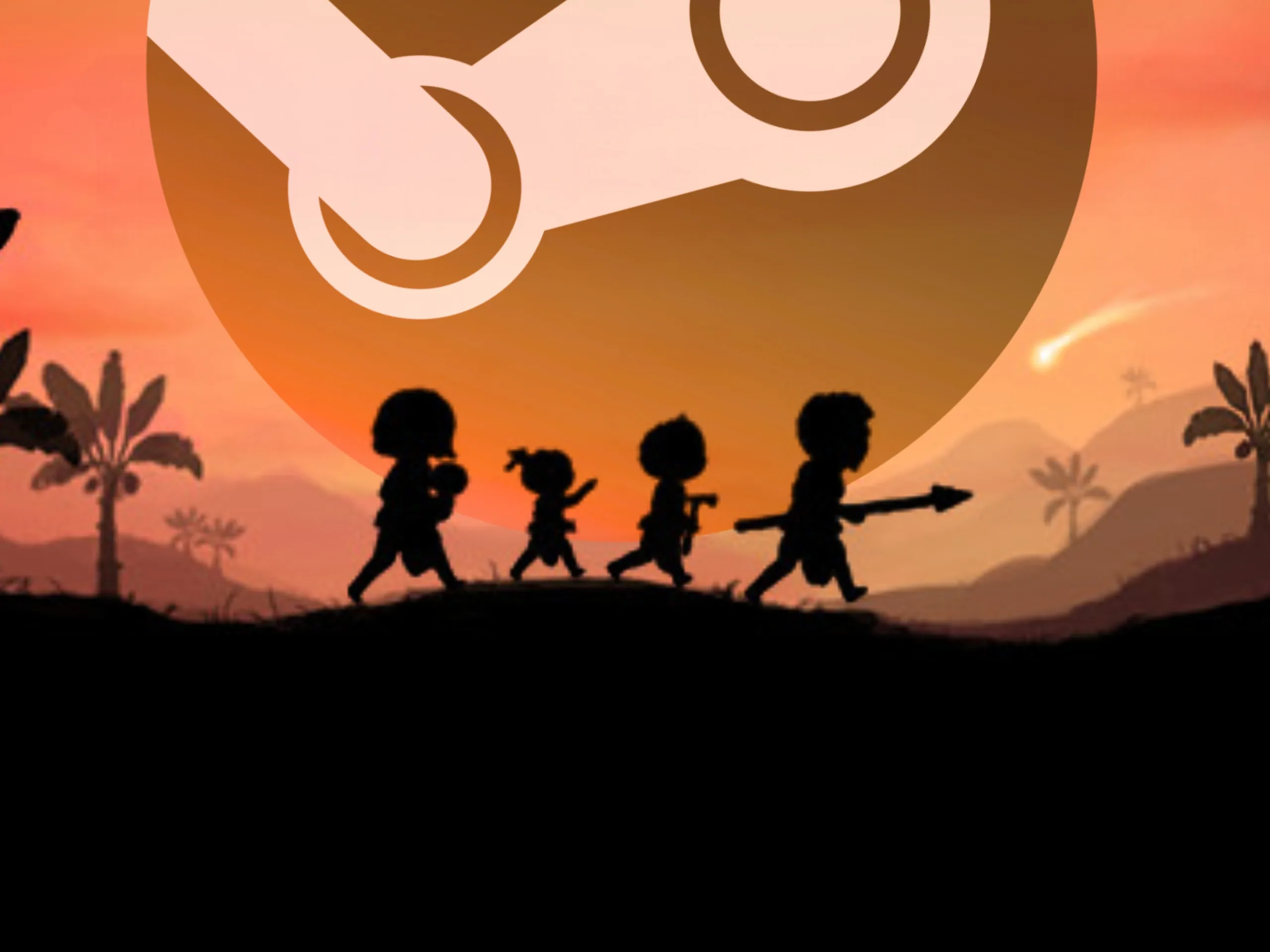
Key Takeaways
1. Unique Gameplay Cycle: Players experience life from infancy to death, with each round representing a complete lifetime set in the Stone Age.
2. Technology Progression: Achievements and items from one life carry over to the next, allowing for civilization advancement in subsequent rounds.
3. Co-op Multiplayer Focus: The game encourages cooperative play, especially in the early stages when players depend on each other for survival.
4. Charming Visuals and Low Requirements: Features a simple 2D top-down art style and low system requirements, making it accessible to many players.
5. Community Feedback: Players enjoy the diversity in gameplay but have raised concerns about technical bugs and low player activity on servers.
In Next Life is a game that mixes survival and building, with a unique twist: each round plays out like a whole lifetime. You start off as a baby, grow up, and eventually pass away, then the cycle restarts. The setting is the Stone Age, and you begin with nothing at all—no fire, tools, or weapons to assist you.
Unlocking Technologies
As you progress, you gradually unlock different technologies. The interesting part is that what you achieve in one life carries over to the next, meaning you can keep using items you’ve created, like a spear, and slowly advance your civilization. The game’s design encourages co-op multiplayer, though you can play alone; however, the devs indicate that it’s significantly tougher. When you are an infant, you must depend on others for aid. As you grow into adulthood, you can have kids, who will then be managed by other players.
Visuals and System Requirements
In Next Life boasts a charming 2D top-down visual style. The graphics are uncomplicated but have a lot of character. The system requirements are low-key, requiring only 4 GB of RAM and an AMD Ryzen 3 processor or something similar. It also holds a “Playable” rating on the Steam Deck, which is available for $650 on Amazon.
Community Feedback
Players have expressed their appreciation for In Next Life, especially regarding the diversity created by its life cycle mechanic. Each round offers a fresh experience—one life you could be a hunter, the next a blacksmith, or a parent raising several kids. On the flip side, some criticism has been directed at technical bugs and the relatively small number of active players. Many servers are either empty or have just a few users. The game truly shines when played with a cohesive group. As per SteamDB, the highest number of simultaneous players recorded is only 61. Since it launched on February 11, the game has been free to play, a strategy that might help grow its community. It was priced around $19 during its Early Access phase.
Source:
Link