Key Takeaways
1. The uncanny valley effect causes discomfort when encountering nearly human-like entities, such as robots or animated characters.
2. A study showed that interacting with uncanny avatars led to a significant increase in the immune response (sIgA levels) in participants.
3. The immune reaction to uncanny avatars was instinctual and unconscious, differing from participants’ conscious evaluations of the characters.
4. The findings support the pathogen-avoidance hypothesis, suggesting the brain reacts to uncanny entities as potential disease threats.
5. This research has implications for designing avatars in virtual reality, particularly in health communication and psychological training.
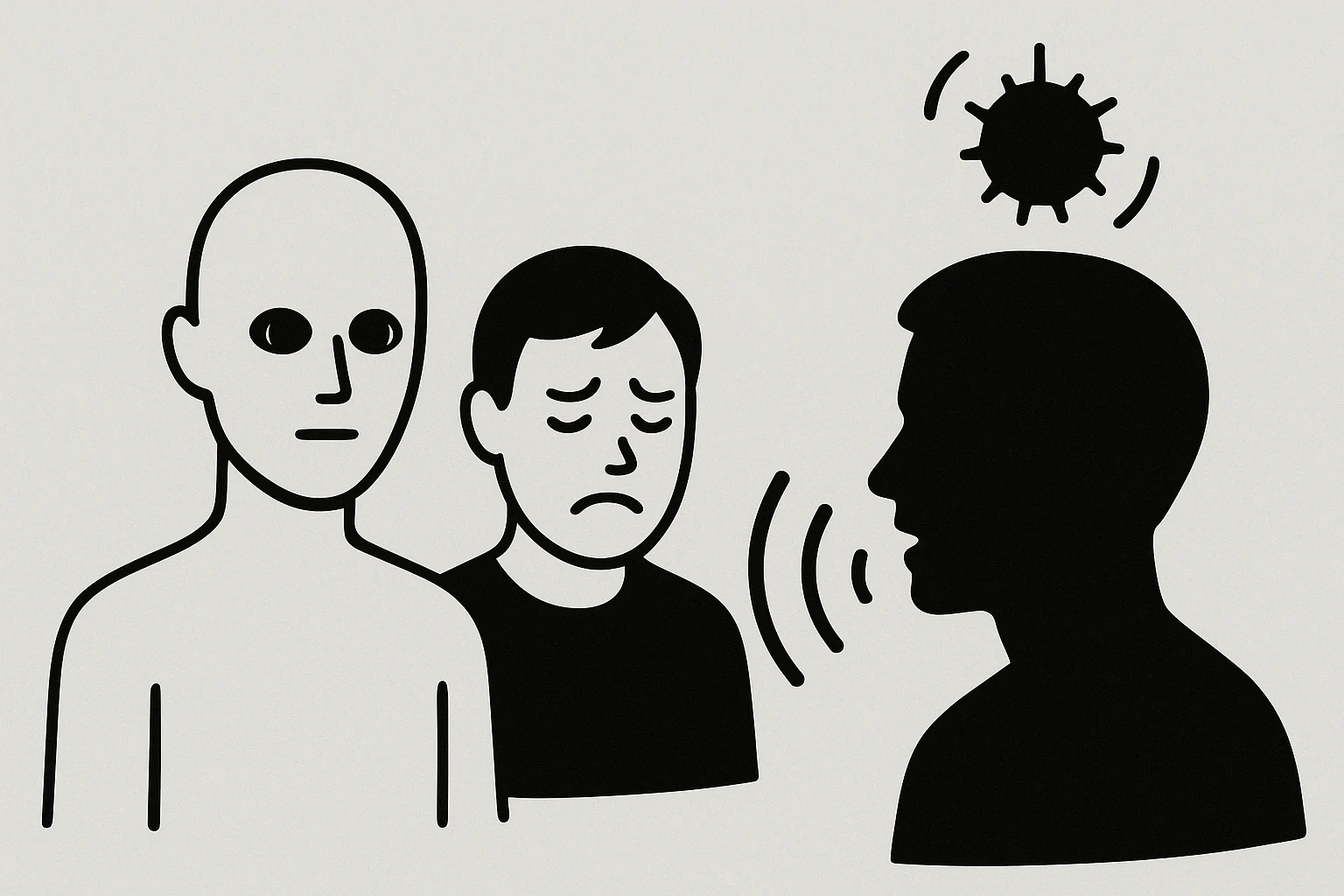
The uncanny valley effect refers to the feelings of discomfort or eeriness that arise when an entity, which is almost human but not quite, such as a robot, animated character, or doll, is encountered. A new study conducted by the University of Hamburg revealed that this unsettling effect can also lead to physical reactions, mainly affecting the immune system.
Study Methodology
In this investigation, three types of virtual agents were examined: cartoon characters, lifelike avatars, and avatars with slight differences from human features that made them seem uncanny. Participants engaged with these avatars in a virtual reality setting. Saliva samples were collected from them before and after their interactions to assess the levels of immunoglobulin A (sIgA), an antibody that is crucial for mucosal immunity.
Key Findings
The findings indicated that only the group interacting with the uncanny avatars showed a notable rise in sIgA levels. This implies that the unease caused by these avatars can trigger an automatic immune response. Interestingly, this increase did not align with the participants’ conscious judgments about the avatars, hinting that the immune reaction was more instinctual and unconscious.
The researchers analyzed these findings through the lens of the pathogen-avoidance hypothesis, which posits that the human brain has evolved to detect subtle signs of potential illness and activate protective responses. Consequently, avatars that seem uncanny may be viewed as potential disease carriers, thus explaining the triggered immune response.
Implications of the Study
This research sheds light on the physiological impacts of the uncanny valley effect and enhances the understanding of how individuals react to digital characters that resemble humans. The outcomes may influence the design of avatars in virtual reality settings, particularly in fields like health communication and psychological training, where human-like interactions are essential.
University of Hamburg’s research opens up new avenues for exploring the intricate interplay between human emotions and digital representations.
Source:
Link