
Key Takeaways
1. Heart deceleration capacity is a key metric for assessing the risk of cardiovascular diseases.
2. Heart rate can be easily measured with budget smartwatches or manually, but heart rate variability requires more detailed tracking.
3. High temporal resolution is crucial for evaluating heart deceleration capacity and understanding autonomic control of the cardiovascular system.
4. A recent study suggests that a five-minute ECG with automated analysis may effectively estimate mortality risk, potentially enhancing smartwatch health monitoring.
5. Future upgrades could enable existing smartwatches to measure deceleration capacity, pending software developments and without hardware restrictions.
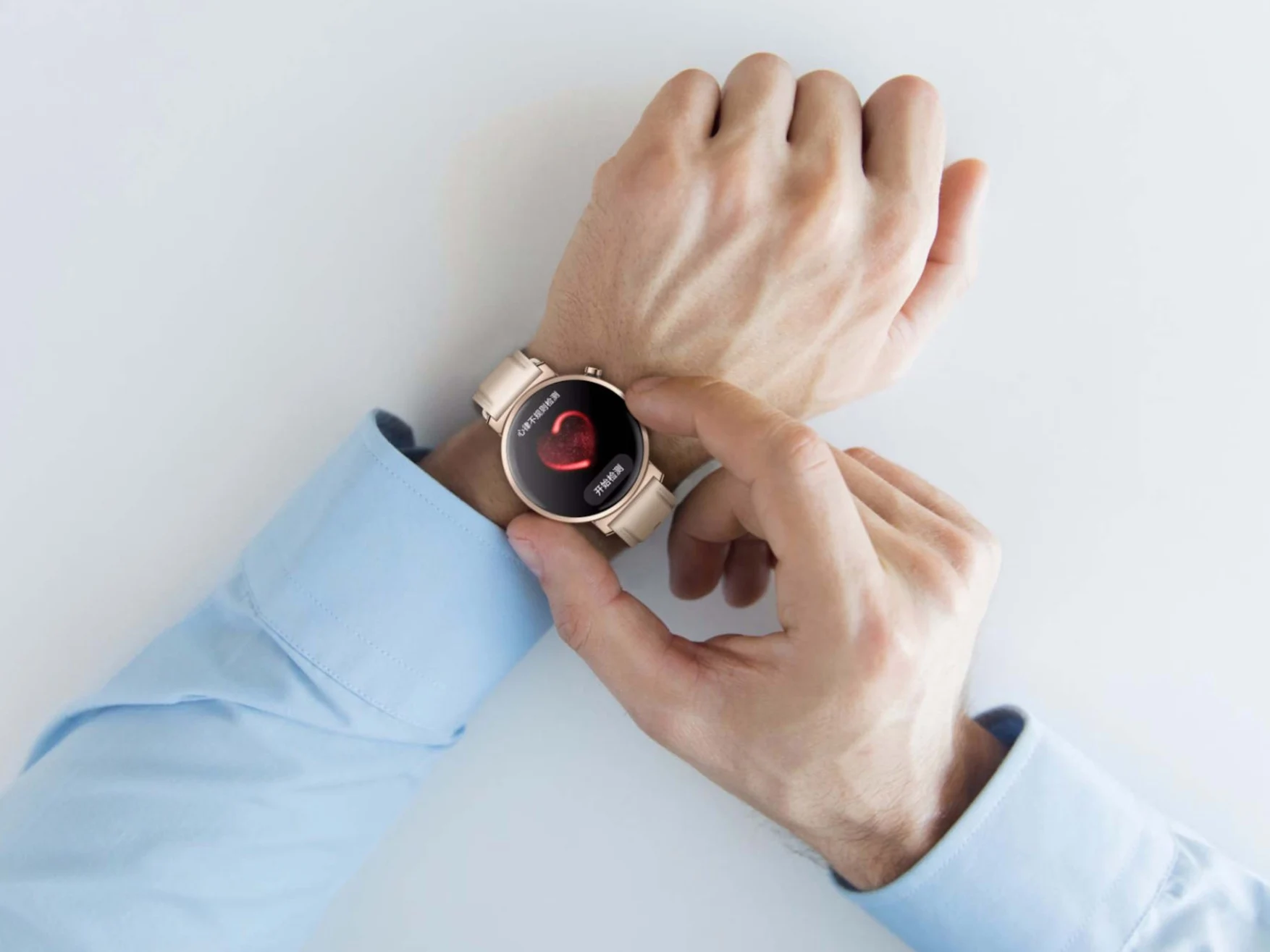
Some time ago, we discussed ‘heart deceleration capacity’ in an article regarding the Honor Watch GS 5. This metric helps gauge the likelihood of cardiovascular diseases. You can break down this aspect gradually, starting with heart rate, which is fairly straightforward to measure. It can be done by budget-friendly smartwatch models or even just your finger and a smartwatch. Heart rate variability is a bit trickier and can’t be measured by hand. To find this variability, it’s not just about counting heartbeats in a set time; you need to track the intervals between beats, or more specifically, pulse beats, with a high level of time detail.
Importance of High Temporal Resolution
To assess the heart’s deceleration capacity, high temporal resolution is also essential. Deceleration capacity indicates how much the heart rate can drop from one beat to the next. This statistic can offer insight into the autonomic control of the cardiovascular system and overall fitness levels. A study published in 2024 reveals that a five-minute ECG, paired with fully automated analysis, might be enough to estimate mortality risk. This feature could enhance current health monitoring options on smartwatches, but it remains uncertain if Garmin and Apple will implement it. This capability could potentially be added through a software upgrade, as there shouldn’t be hardware restrictions, especially in smartwatches that have ECG or advanced optical sensors. At this moment, we can’t precisely determine how accurate the Honor Watch GS 5’s measurements are.
Future Prospects
Alexander Steger and colleagues from Honor have highlighted several points in their research.
Source:
Link