Tag: HDMI 2.1

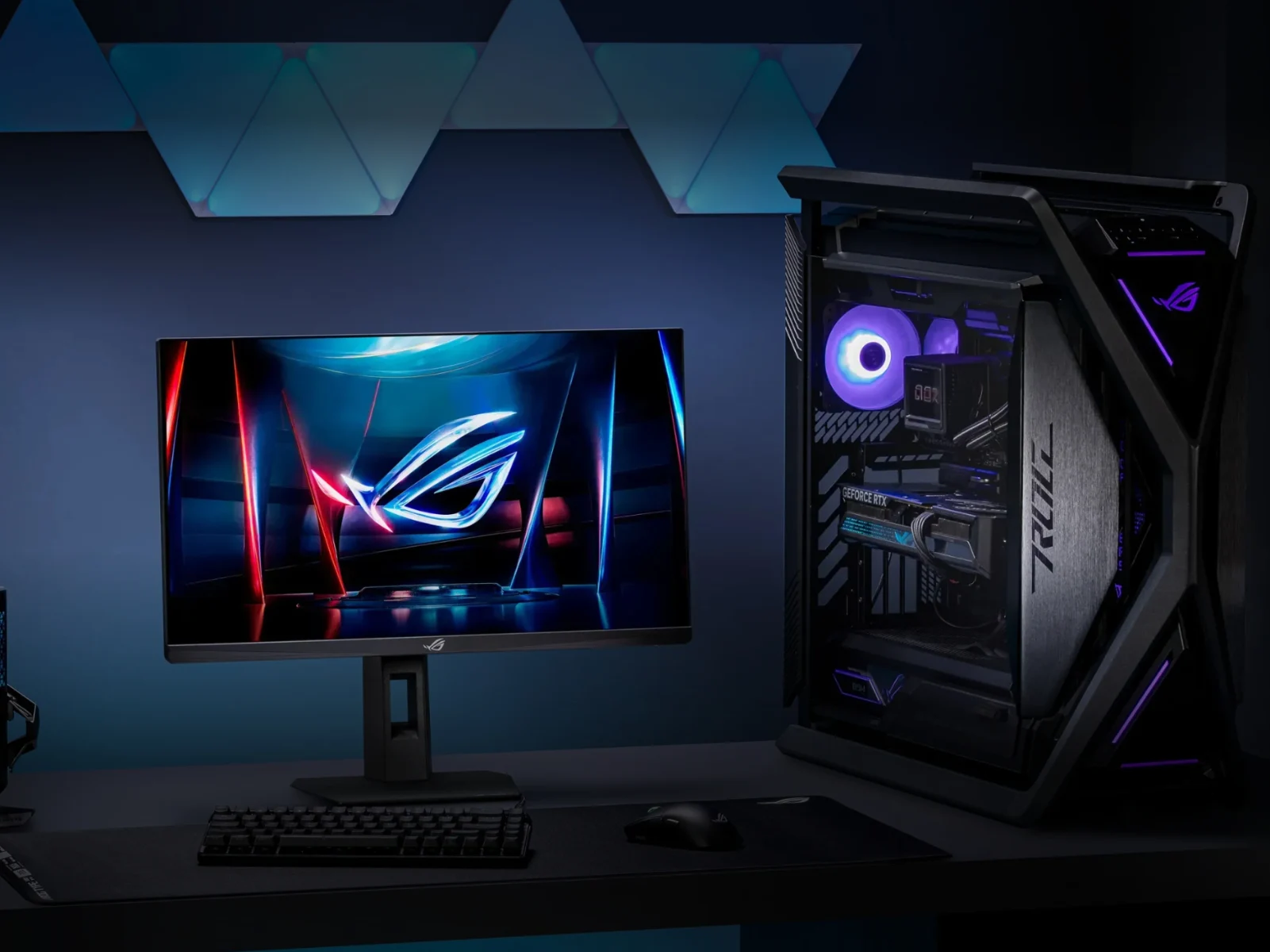
  • Xiaomi 4K 27-Inch Gaming Monitor with Mini LED Local Dimming Zones

    Xiaomi 4K 27-Inch Gaming Monitor with Mini LED Local Dimming Zones

    Key Takeaway

    1. Xiaomi has launched a 27-inch Mini LED gaming monitor (G Pro 27Qi 2026) internationally, starting in Australia, Germany, and Japan.
    2. The Redmi Monitor G Pro 27U 2026 features a 4K/160 Hz IPS panel with switchable resolution modes and supports AMD FreeSync Premium Pro, offering high brightness and color coverage.
    3. The Redmi Monitor G Pro 27U 2026 is priced at CNY 2,699 (~$395) in China, but its global availability remains unconfirmed.
    4. Both monitors include high-end features like Mini LED local dimming zones, HDR support, and multiple connectivity options, with the G Pro 27Qi targeting gaming use.

    Introducing Xiaomi’s New Gaming Monitors

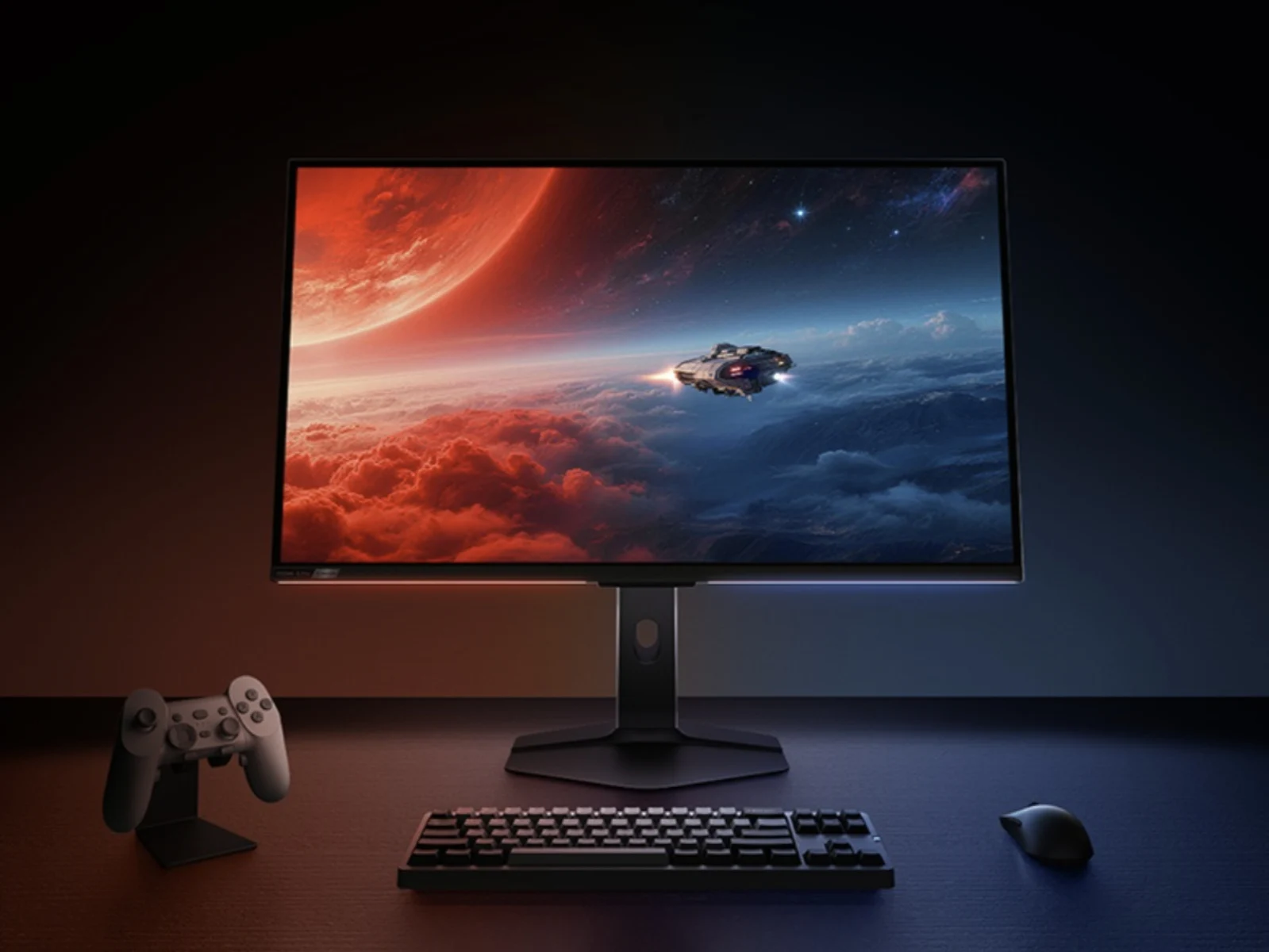
    Earlier medias has announced that Xiaomi are now selling a new 27-inch gaming monitor across different countries around the world. The device, named Mini LED Gaming Monitor G Pro 27Qi 2026, boast 1,152 Mini LED local dimming zones. It is now available in several countries including Australia, Germany and Japan, with plans for a worldwide release in the future. Fans of gaming tech are excited, as the monitor offer a high-quality display with impressive features.

    Specifications and Features in Details

    The Xiaomi Mini LED Gaming Monitor G Pro 27Qi 2026 features a 27-inch screen with Mini LED technology that improves contrast and brightness. The monitor’s high refresh rate makes it ideal for gaming, although the exact refresh rate isn’t mentioned here. The monitor also supports HDR, bringing vibrant images to the screen, and it’s backed by a broad array of ports including DisplayPort 1.4, HDMI 2.1, USB Type-A, and USB Type-C offering 90 W power delivery. It’s designed with that gaming vibe in mind, with smooth responsiveness and vivid visuals you expect from a gaming monitor.

    Chinese Market Launch and Model Variety

    On a different note, Xiaomi has launched the Redmi Monitor G Pro 27U 2026 specifically for China. This model was initially introduced nearly a year ago and gets a fresh update now. It maintains the 4K/Q-160 Hz IPS panel but is also capable of switching to 1080p at a blazing fast 330 Hz, comparable to what the Asus ROG Strix XG27UCG offers. Also, it supports AMD FreeSync Premium Pro with typical 1 ms GtG response time, a broad 98% DCI-P3 color coverage, and peak HDR brightness of 1600 nits within its Mini LED zones. The monitor runs on HyperOS 3, ensuring a user-friendly experience.

    Pricing and Global Availability Outlook

    This particular monitor in China retails for CNY 2,699 (around $395). Xiaomi hasn’t confirmed if this product will be found outside China, but the release of the Mini LED Gaming Monitor G Pro 27Qi 2026 suggests that Xiaomi might be planning to make it globally available soon. Both models demonstrate Xiaomi’s commitment to pushing cutting-edge display technology, especially in the gaming sector, promising an immersive experience for users. Clearly, the company’s expanding its monitor lineup and tech options for gaming and professional use alike.

    Sources

  • TCL P8L Mini LED TV Launch: Up to 98 Inches and 512 Dimming Zones

    TCL P8L Mini LED TV Launch: Up to 98 Inches and 512 Dimming Zones

    Key Takeaways

    1. The TCL P8L is a new QLED TV with sizes ranging from 55 inches to 98 inches and features up to 512 dimming zones for improved HDR performance.
    2. It boasts a native contrast ratio of 6500:1 and claims 98% coverage of the DCI-P3 color spectrum, though real-life color accuracy will need verification through reviews.
    3. The TV supports high-refresh rates, handling up to 144 Hz natively and 288 Hz in Game Mode, with dual HDMI 2.1 and HDMI 2.0 ports for connectivity.
    4. Wireless capabilities include WiFi 5 and Bluetooth 5.4, along with multiple input options such as LAN, USB, and audio jacks, operating on Google TV.
    5. The audio system features dual 10W speakers and a 20W subwoofer on larger models, while smaller versions have a 5W subwoofer; pricing and availability details are not yet announced.


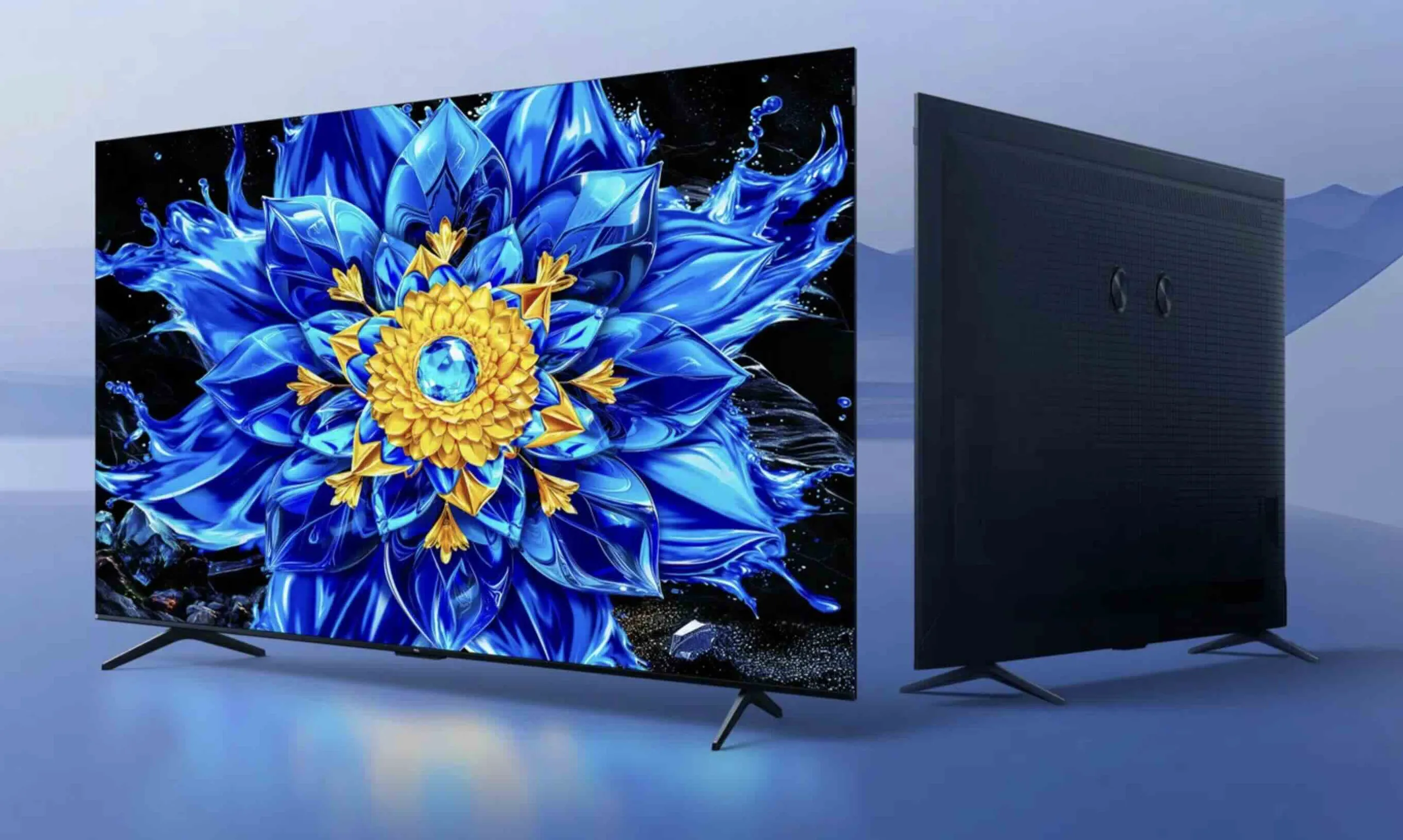
    TCL has revealed a new QLED television to the world, named the P8L. This model is expected to fall in the middle range of TCL’s offerings, providing a decent amount of dimming zones to enhance HDR performance. It will be available in sizes from 55 inches all the way up to an impressive 98 inches.

    Dimming Zones and Performance

    TCL states that the P8L will have as many as 512 dimming zones, though they haven’t confirmed if each model will have the same amount. For comparison, the highly-rated QM8K also comes in a 98″ size, but it boasts 3,760 dimming zones, a significant increase compared to the 65-inch QM8K, which has only 1,680 zones.

    Thanks to TCL’s advanced HVA panel, they are claiming a native contrast ratio of 6500:1. They also boast about achieving 98% coverage of the DCI-P3 color spectrum, but the actual performance regarding color accuracy and real-life usage will need to be assessed through third-party reviews.

    Refresh Rates and Connectivity

    Like many high-end television models, the TCL P8L will support high-refresh rate functions. The panel is set to handle up to 144 Hz natively, and in Game Mode, it can reach up to 288 Hz, likely at 1080p, similar to TCL’s other models. For video connections, it will come equipped with dual HDMI 2.1 ports and dual HDMI 2.0 ports. To enjoy 4K at 144 Hz, users will have to utilize the faster HDMI 2.1 ports.

    For wireless connections, the TV will support WiFi 5 and Bluetooth 5.4. Additional inputs will include LAN, optical audio, a USB port, satellite input, antenna input, a 3.5 mm AV jack, and a C+ slot. The television will operate on Google TV, which is quite standard across TCL’s range.

    Audio and Pricing

    It’s clear that anyone buying such a large television is likely to be advised to invest in a good home theater audio system (the Bose Smart Ultra is currently priced at $1,000 on Amazon). However, the TCL P8L does offer some audio output options with its dual 10W speakers and a 20W subwoofer on the 85″ and 98″ models. Meanwhile, the smaller variants will only include a 5W subwoofer.

    As of now, details about pricing and availability have not been released.

    Source:
    Link


  • Sony Launches PlayStation Gaming Monitor with DualSense Dock Option

    Sony Launches PlayStation Gaming Monitor with DualSense Dock Option

    Key Takeaways

    1. Sony is launching a new gaming monitor in 2026, initially available only in the US and Japan.
    2. The monitor features a 27-inch QHD IPS LCD display with a refresh rate of up to 240 Hz for PC/Mac and 120 Hz for PlayStation 5/5 Pro.
    3. It includes a retractable built-in charging dock for DualSense controllers, sold separately.
    4. Connectivity options include two HDMI 2.1 ports, one DP 1.4 port, two USB-A ports, and one USB-C port for PlayStation Link devices.
    5. Pricing details have not been revealed yet, but anticipation is growing among gamers.


    After quietly releasing its PlayStation speakers during a previous State of Play event, Sony has introduced a new gadget with a similar low-key approach. This time, they are launching a gaming monitor, which will initially be available only in the US and Japan, with no pricing details yet revealed for either country, set to hit the market in 2026.

    Key Features

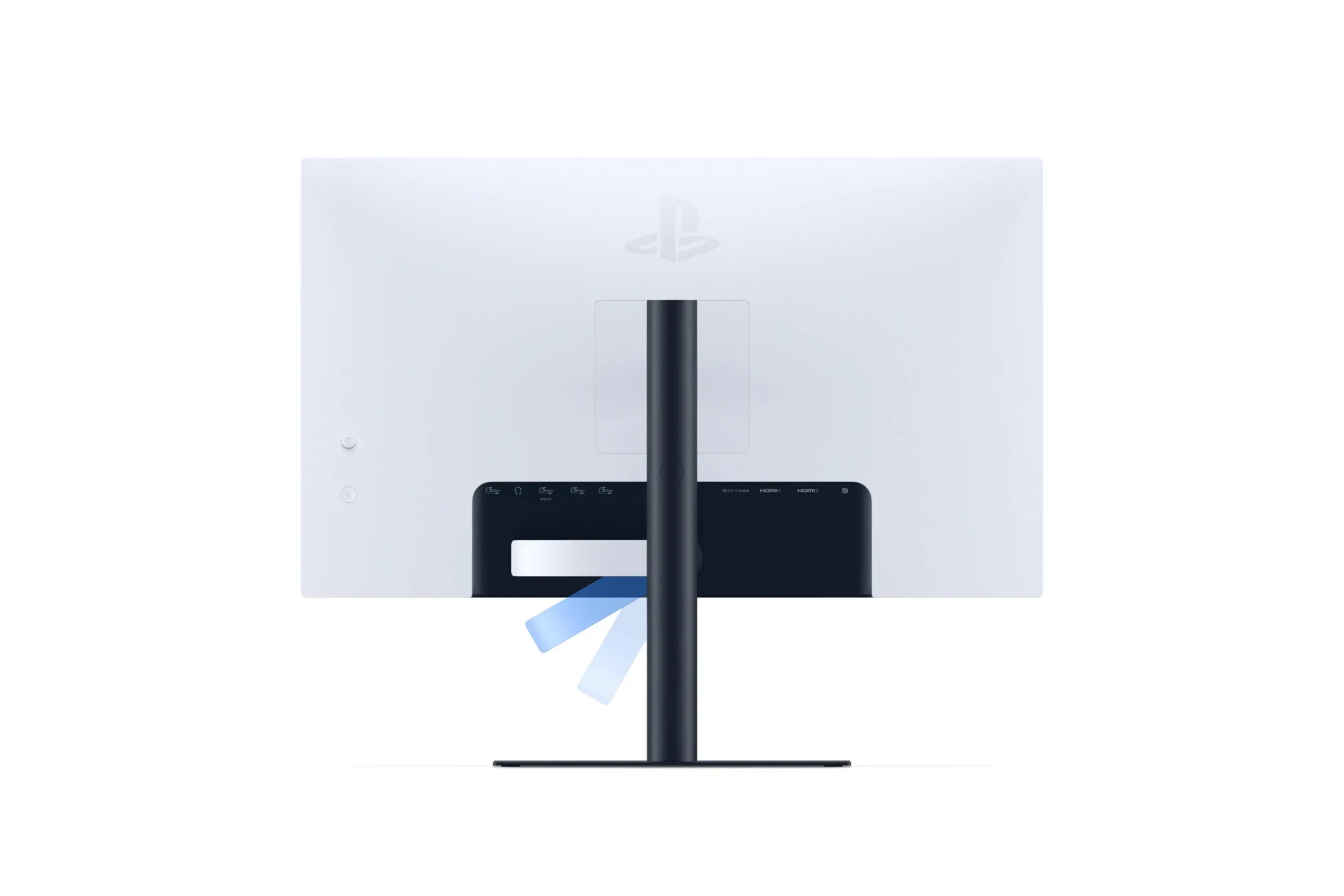
    One of the standout features of the PlayStation gaming monitor is a built-in charging dock for DualSense controllers. This dock is retractable and located underneath the monitor, but it must be bought separately. The monitor boasts a 27-inch QHD (2,560 x 1,440) IPS LCD display, capable of a refresh rate of up to 240 Hz when connected to PC or Mac with VRR support. However, for those using the PlayStation 5 and PlayStation 5 Pro, the refresh rate will be limited to 120 Hz. HDR support is also included, but Sony has not specified which version it will be.

    Connectivity Options

    In terms of connectivity, the PlayStation gaming monitor is equipped with two HDMI 2.1 ports, one DP 1.4 port, two USB-A ports, and one USB-C port for PlayStation Link devices. This setup allows the monitor to connect with existing PS Link devices such as earbuds, headphones, and speakers.

    Sony’s latest entry into the gaming hardware market has gamers buzzing with anticipation as they await more details on availability and pricing.

    Source:
    Link


  • Asus ROG Strix Ace XG248QSG: Global Launch of Fast Gaming Monitor

    Asus ROG Strix Ace XG248QSG: Global Launch of Fast Gaming Monitor

    Key Takeaways

    1. The ROG Strix Ace XG248QSG features an impressive refresh rate of 610 Hz on a 24.1-inch TN display.
    2. It supports a resolution of 1,920 x 1,080 pixels and covers 90% of the DCI-P3 color space.
    3. The monitor has a fast response time of 0.7 ms GtG and offers viewing angles of 170°/160°.
    4. Connectivity options include two HDMI 2.1 ports, one DisplayPort 1.4 port, and a 3.5 mm audio jack.
    5. The ROG Strix Ace XG248QSG is priced at around $799 and is expected to launch in the US soon.


    Asus has recently launched a variety of gaming monitors, including the ROG Strix OLED XG32UCWMG, which features a new TrueBlack Glossy finish. Now, the company has introduced the ROG Strix Ace XG248QSG, which boasts an even quicker refresh rate than some of the latest 480 Hz monitors, such as the ROG Swift OLED PG27AQDP, currently priced at $999 on Amazon.

    Enhanced Refresh Rate

    While enthusiasts eagerly await the 500 Hz-ready ROG Strix OLED XG27AQDPG, the ROG Strix Ace XG248QSG takes things up a notch by achieving a remarkable 610 Hz on its 24.1-inch TN display. As we highlighted during its unveiling at Computex 2025, the ROG Strix Ace XG248QSG supports a resolution of 1,920 x 1,080 pixels and features an anti-glare coating with a claimed 90% DCI-P3 color space coverage. Additionally, this monitor offers an impressive 0.7 ms GtG response time, viewing angles of 170°/160° (CR≧10), a peak brightness of up to 400 nits, and variable refresh rate (VRR) capabilities through AMD FreeSync and Nvidia G-Sync.

    Connectivity Options

    In addition, the ROG Strix Ace XG248QSG comes equipped with two HDMI 2.1 ports, one DisplayPort 1.4 (DSC) port, and a 3.5 mm audio jack for connecting external sound devices. The monitor is currently available for CNY 7,999 (around $1,114) in China. Asus has also listed this monitor on its global website, suggesting an international launch is on the horizon. As per TFT Central, the ROG Strix Ace XG248QSG is set to arrive in the US later this month, with a price tag of $799.

    Conclusion

    To wrap it up, the ROG Strix Ace XG248QSG represents a significant step in gaming monitor technology. With its high refresh rate and impressive specifications, it aims to satisfy even the most demanding gamers.

    Source:
    Link


  • HDMI Forum Denies AMD’s Linux Driver Support for HDMI 2.1

    HDMI Forum Denies AMD’s Linux Driver Support for HDMI 2.1

    AMD’s efforts to improve its open-source Linux graphics driver (AMDGPU) by incorporating HDMI 2.1 features have faced a significant obstacle. Despite extensive internal development aimed at enabling crucial functionalities such as 4K@120Hz and 5K@240Hz, the HDMI Forum has rejected AMD’s proposal.

    AMD’s Proposal Rejected

    The rejection has implications for Linux users with newer AMD Radeon graphics cards, who may find themselves unable to fully exploit the capabilities of HDMI 2.1-enabled displays. AMD conveyed its disappointment with the Forum’s decision, emphasizing that achieving an open-source HDMI 2.1 implementation would be unfeasible without infringing upon HDMI Forum stipulations.

    The HDMI Forum justified its decision based on legal and compliance concerns related to the open-source dissemination of the HDMI 2.1 specification. This development underscores the challenges encountered by open-source HDMI developers following the HDMI Forum’s move to restrict its specifications in 2021.

    Recommendation for Linux Users

    Consequently, the latest HDMI features are expected to remain inaccessible through open-source drivers. AMD’s suggestion for Linux users seeking features like high-refresh-rate 4K gaming is to opt for DisplayPort connections as an alternative.

    Windows Users Unaffected

    In contrast, Windows users with AMD graphics will continue to enjoy full HDMI 2.1 functionality, underscoring a disparity within the open-source development landscape. This discrepancy also sheds light on potential tensions within the relationship between AMD and the HDMI Forum.

    Uncertain Future for Linux Users

    The rejection raises questions about whether Linux users with AMD graphics will ever harness the full potential of next-generation HDMI 2.1 displays. Currently, both AMD and the HDMI Forum seem entrenched in their respective stances, limiting choices for consumers and leaving the situation unresolved.