
Key Takeaways
1. The Milky Way continues to be a mystery, with new discoveries made each year.
2. A new gas cloud, G2t, was identified near the supermassive black hole Sagittarius A using the VLT’s ERIS.
3. G2t is about 27,000 light-years away and is part of a group of three gas clouds orbiting the black hole.
4. The gas clouds (G1, G2, G2t) are believed to have originated from massive stars, IRS16SW, orbiting Sagittarius A.
5. The VLT image reveals many stars but does not show the supermassive black hole, indicating potential for further discoveries in the Milky Way.
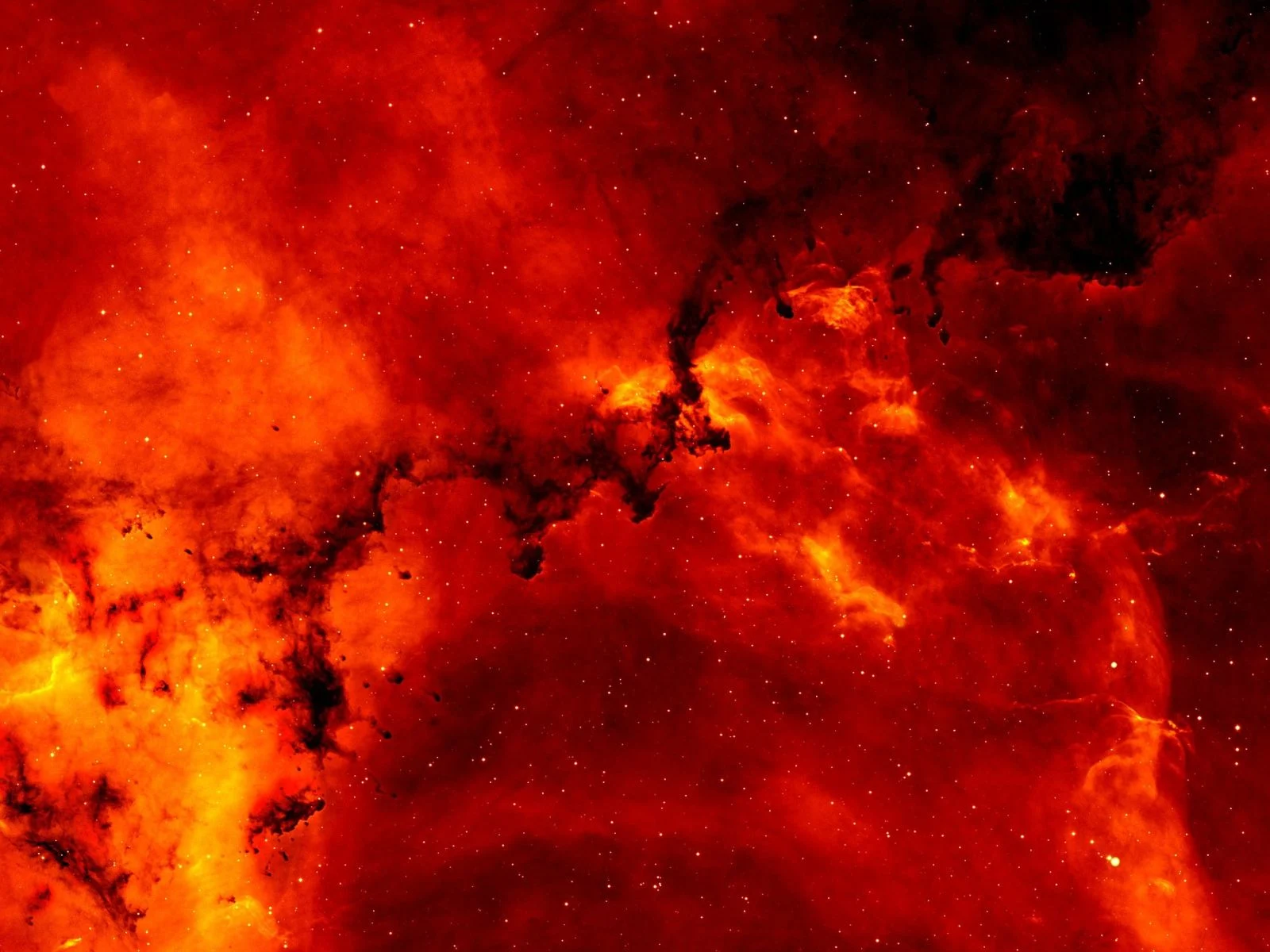
Despite many studies and observations done by astronomers, the Milky Way is still very much a mystery. Each year brings new discoveries, like a pulsar that spins 122 times every second found at the center of our galaxy. Recently, ESO shared a fresh image from the Very Large Telescope (VLT) that reveals a new gas cloud situated near the supermassive black hole Sagittarius A.
New Discoveries
The Enhanced Resolution Imager and Spectrograph (ERIS) on the VLT helped scientists from the Max Planck Institute for Extraterrestrial Physics identify a new structure called G2t. This gas cloud is approximately 27,000 light-years away from Earth and is accompanied by two other clouds known as G1 and G2.
Orbiting the Black Hole
From the findings, it seems that these three gas clouds share the same orbit around the black hole. Furthermore, astronomers think that they may all have originated from the same source. Specifically, IRS16SW is a duo of massive stars that revolve around Sagittarius A. As they orbit, they emit a large quantity of gas, which gave rise to G1, G2, and G2t. The VLT image also captures many other stars. When it comes to the supermassive black hole at the center of our galaxy, it remains unseen in this image, even though it is present there. Hence, further observations could lead to the discovery of new features within the Milky Way.
ESO
Source:
Link