
Key Takeaways
1. Researchers identified the skeletal remains of Duke Béla of Macsó, a 13th-century Hungarian noble, using comprehensive genetic analysis.
2. Genetic findings indicated a mix of ancestries, including northern European lineage linked to the Rurikid ruling family and Eastern Mediterranean connections.
3. Radiocarbon and isotopic analyses provided insights into Béla’s diet and background, revealing he consumed significant amounts of freshwater fish and indicating his early years in the Vukovar and Syrmia region.
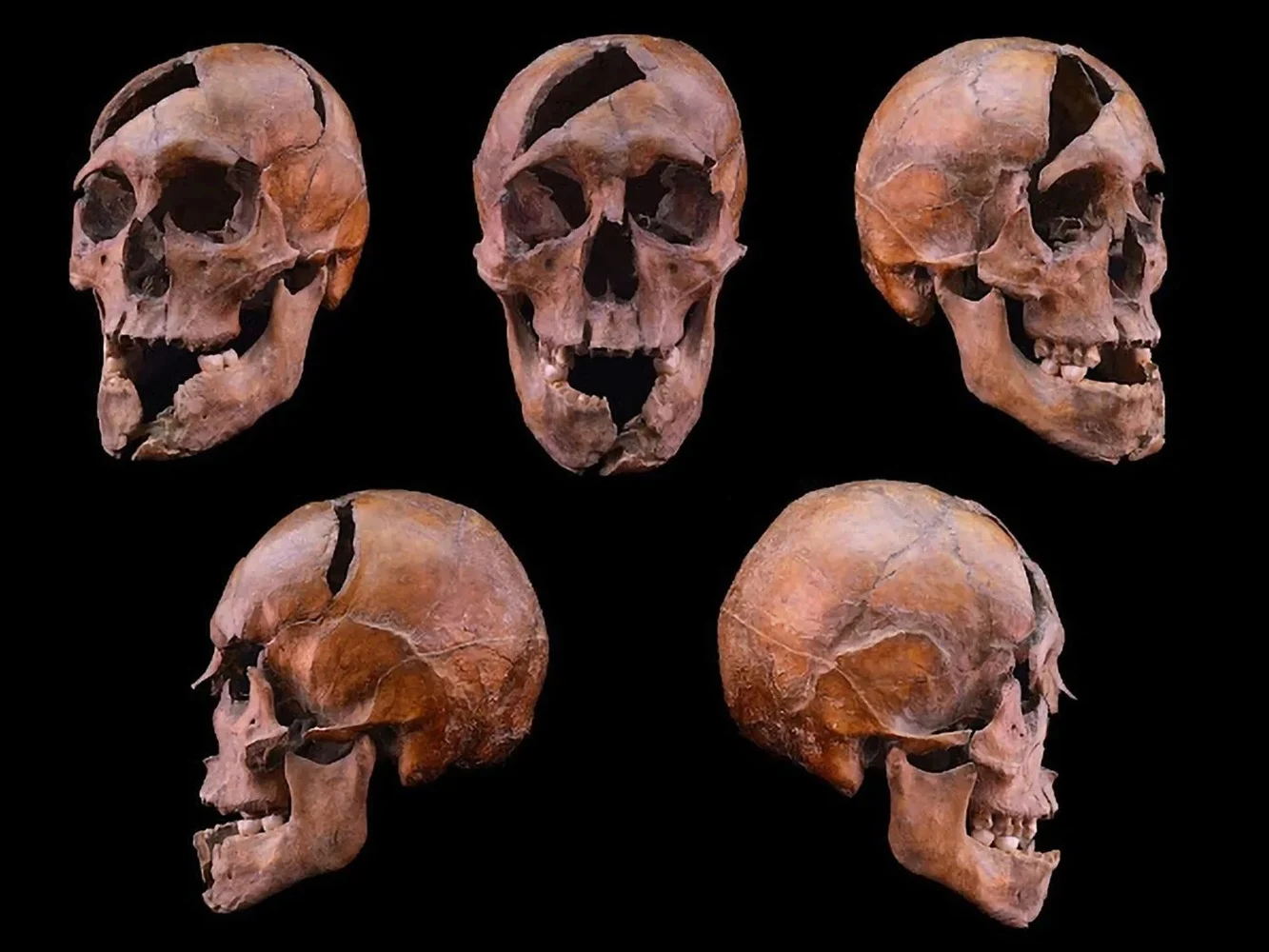
4. Forensic examination of the skeleton showed twenty-six injuries, with nine to the head, suggesting a violent death caused by multiple assailants.
5. The study combined genetics, chemical analysis, and forensic methods to solve a historical royal murder mystery, highlighting the rarity and significance of the complete skeleton from the Arpad period.
More than seven hundred years after the fact, current forensic science has shed light on a royal murder enigma. A group of scholars from Eötvös Loránd University (ELTE), along with their international collaborators, has verified the identity of skeletal remains found in Budapest. Their results, published in Forensic Science International Genetics, reveal that the bones are those of Duke Béla of Macsó. He was a 13th-century Hungarian noble and grandson of King Béla IV, who met his demise in 1272. Here’s how they made this identification.
Genetic Analysis Begins
The identification process initiated with a comprehensive genetic analysis. Researchers at the Institute of Archaeogenomics in Budapest sequenced the complete genome and reconstructed the paternal lineage using the Y chromosome. They found a mix of ancestries that aligns with what is already known about Béla’s family. Almost half of his genetic makeup contained a northern European gene that corresponds with the Rurikid ruling family.
Tracing Ancestry
Another segment indicated a connection to the Eastern Mediterranean, consistent with the lineage connected to his grandmother, Maria Laskarina. When the team matched this data to a recent compilation of Rurikid genetic information from Russia, they found an exact match in the paternal line. This genetic analysis placed him in line with medieval documents that describe him as a later descendant of King Béla the Third.
Additional Investigations
While genetic evidence was insightful, it couldn’t resolve all uncertainties, prompting researchers to conduct radiocarbon and isotopic analyses. Initial radiocarbon findings suggested dates that seemed excessively old. However, upon examining the carbon and nitrogen levels, they deduced that Béla likely consumed significant amounts of freshwater fish. This dietary habit can lead to what experts refer to as a reservoir effect, which causes the remains to appear older than their actual age.
Insights from Teeth
Strontium measurements from his teeth contributed further to understanding his background. The values indicated that he spent his early years in the Vukovar and Syrmia region before relocating to the vicinity of Budapest. They also discovered tiny particles stuck in his dental plaque, which, when examined under a microscope, revealed grains of milled and baked wheat and barley, aligning with the diet expected in a prosperous household of that era.
Signs of Violence
The skeleton showed evident signs of the violence that caused his death. Forensic experts documented each wound and analyzed the angles of the impacts. They recorded twenty-six injuries that occurred at the time of death, with nine inflicted to the head using sharp weapons. The remaining injuries were slashing or chopping wounds to the torso and limbs.
Conclusion on Attackers
The data implied multiple assailants and various weapons were involved. There were signs on the bones indicating he attempted to defend himself before succumbing. This finding corroborates long-held narratives describing a political assault executed by several individuals.
Complete skeletons from the Arpad period are exceedingly rare, which renders this discovery particularly significant. By merging genetics, chemical analysis, and forensic methods, the researchers were able to address questions that have lingered for centuries.
Source:
Link