
– 33% of e-bike fires are caused by non-compliant batteries, with 80% of those coming from repurposed EV cells.
– Unregulated recyclers outbid certified operators for used EV packs, then repackage degraded cells for e-bikes.
– New ban prohibits repurposed/second-hand cells in e-bike batteries, adding overcharge and puncture resistance requirements.
– From November 1, “one bike, one battery, one charger, one code” mandates unique QR traceability per factory unit.
– Retailers must support repairs/spare parts for at least five years; old bikes remain legal.
New E-Bike Rules in China Targeting Fire Risks
Authorities in China are rolling out fresh traceability policies for electric bicycles because they are facing a wave of illegal battery disassembly shops. These outfits rip apart used EV packs and then repackage the cells to flog to e-bike makers or individual riders. It’s a massive issue that regulators are now trying to clamp down on with new rules and certification codes.
Investigation Pinpoints the Real Danger
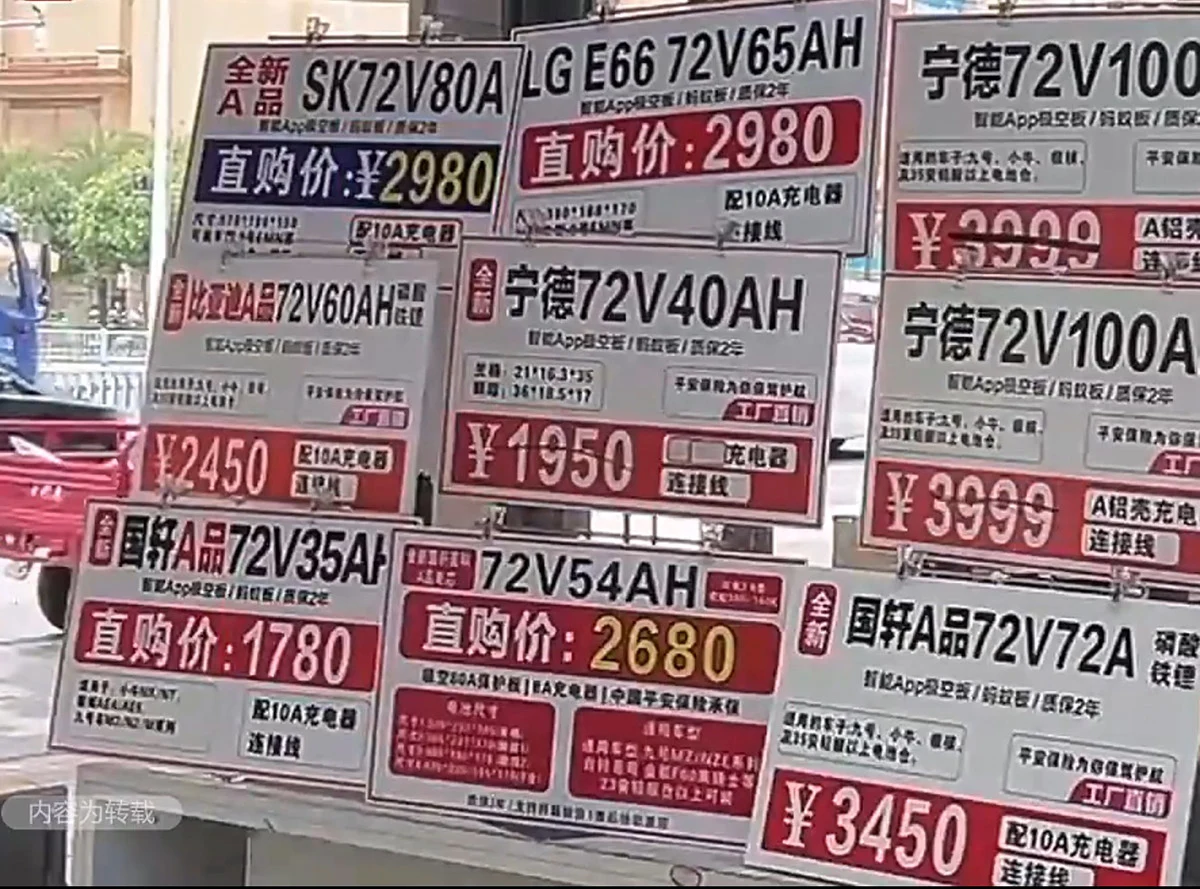
An investigation into e-bike fire incidents showed that a third of them start from non-compliant batteries. Out of those, 80% come from repackaging used electric car cells that could be near the end of their useful life. The core of the matter is that unregulated recyclers pay more for clapped-out EV batteries than certified operators do. They then reuse and resell these cells as seemingly new packs, which is a huge safety gamble for anyone riding these bikes in crowded urban areas.
Regulators Are Banning Repurposed Cells
Manager Zhang frankly admitted that evading supervision is the top priority in this kind of business. The investigation report says these chop shops deliberately seperate their warehouse and disassembly factory. They even ship different battery cell products from different warehouses to stay under the radar. Now, regulators are fighting back with a new standard that outright bans repurposed or second-hand cells. This provision directly targets the fire risk category, adding rules for mandatory overcharge protection, thermal abuse testing, and puncture resistance requirments that are similar to what EV batteries have to endure.
One Bike, One Battery, One Charger, One Code
The first wave of electric cars in China is already reaching the end of their packs life cycle, and there will be seven million tons of EV cells to recycle or discard in the next few years. Without these new measures, the underground trade would only keep expanding, making things worse for everyone. The national standard for e-bike batteries caps them at a 48 V voltage, which is fine for crowded cities where people dont treat batteries with care. But repurposed EV cells often blow past that voltage ceiling, letting e-bike makers offer so-called ultra-long range models, while bike-share companies rent out lithium packs that are way above specs and do unauthorised rewiring.
New QR Code System for Traceability
From November 1, a fresh certification rule will require every e-bike leaving the factory to haul a matched battery, charger, and a traceability code at the factory unit level. The government is calling this a one bike, one battery, one charger, one code framework. Each certified product, be it an e-bike, an electric scooter, or even a stroller, must carry a unique QR code that ties directly to its certification record. The old 10-digit code could only identify the battery model, but this new QR mandate lets inspectors trace any e-bike back to its maker and production batch. Bikes already registered under the previous rules wont be forced off the road, and manufacturers have to support spare parts and repairs for at least five years.