
Key Takeaways
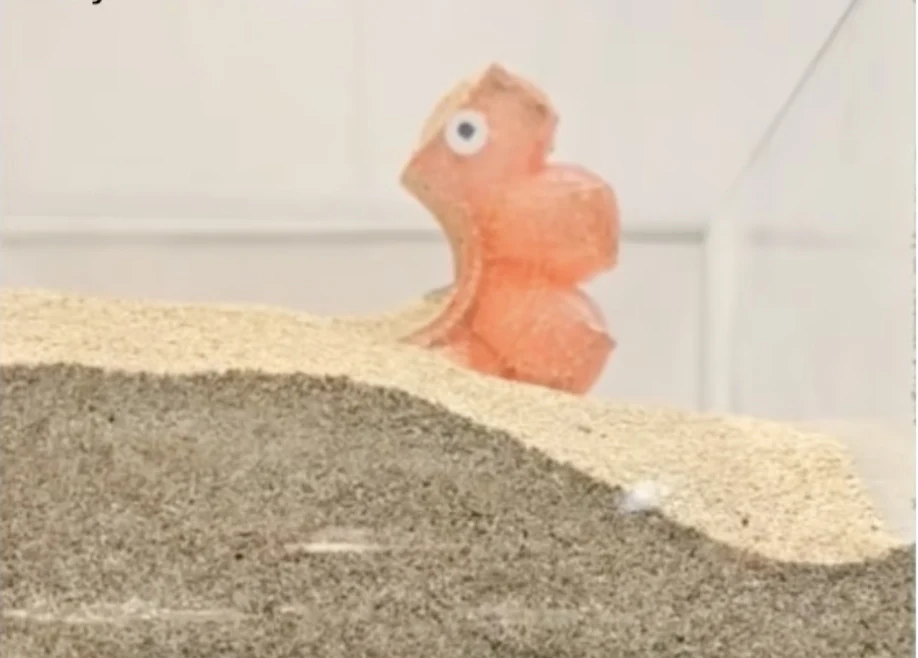
1. Scientists have developed fully edible soft robots that can be chewed and swallowed, including their battery and actuators.
2. The robot uses innovative movement mechanics with a pump system made from biodegradable materials like wax and gelatin.
3. Edible power supply components are created using baking soda and citric acid, enabling movement through a chemical reaction that releases carbon dioxide.
4. Potential applications include delivering medication and vaccines to animals, particularly in remote or dangerous areas.
5. Ongoing tests involve human participants, focusing on taste and sustainability in robotics, emphasizing eco-friendly designs.
When we think about robots, many people might start to wonder if they could be eaten. Until very recently, this was not a common thought, but now the idea of fully edible robots is gaining traction. Scientists in Switzerland have created a soft robot that can be chewed and swallowed whole, including its battery and actuators.
Innovative Movement Mechanics
Similar to other non-edible soft robots, this one utilizes a pump system for motion. Normally, soft actuators that can be swallowed and operate based on gas pressure need pumps that cannot be made without plastic and metal. However, this research has taken a different approach by using materials like wax and gelatin; even the tubes used for the pumps are made from gelatin.
Power Supply Made Edible
The team from the Intelligent Systems Laboratory at EPFL University, led by Dario Floreano, has also discovered a method to create edible power supply components as part of the RoboFood project funded by the EU. Typical soft robots move by pumping air in and out of their body chambers, which causes them to deform and move. In this instance, baking soda and liquid citric acid are stored in separate containers to hold chemical energy, and carbon dioxide is pumped into the chambers to act as a propellant.
A membrane composed of baking soda keeps everything well-separated. The battery gets activated when pressure is applied to the membrane in the acid chamber. Once enough pressure builds, the acid breaks through the membrane, mixing with the baking soda and starting a basic acid-base reaction. This reaction releases carbon dioxide (CO₂) and sodium citrate, which is a common ingredient in the food industry and is generally considered safe.
Potential Applications and Testing
The initial concept for these edible robots was to provide medication to animals, like wild boars, that people typically prefer to stay away from. Due to their low cost, biodegradable nature, safety for transport, mobility, and resemblance to prey, these robots could be valuable for delivering vaccines in outbreaks of swine flu or similar diseases.
However, there are also ongoing tests involving humans. Earlier in the year, fruit-flavored actuators were distributed to participants, and the feedback is currently being reviewed. Along with basic measurability, sustainability is also a significant consideration in robotics. Project leader Dario Floreano mentions:
If you consider it from the larger viewpoint of eco-friendly and sustainable robotics, the pneumatic battery and valve system is crucial because it works well with many types of biodegradable pneumatic robots.
Source:
Link