Key Takeaways
1. Nearly 1,000 school shootings occurred in the U.S. over the last three years, a significant increase compared to the previous decade.
2. The Campus Guardian Angel (CGA) initiative proposes using drones to respond to threats within 15 seconds.
3. Drones can provide live video and sensor data to a central operations hub, enhancing response effectiveness.
4. The technology aims to save lives by delivering real-time intelligence and reducing risks for police officers.
5. Drones can also act as a deterrent, utilizing sound devices and non-lethal methods to distract or incapacitate threats.
According to the K-12 School Shooting Database, nearly 1,000 school shootings have occurred in the U.S. over the last three years. This marks a ten-fold rise compared to the previous decade’s reported cases. A Texas initiative named the Campus Guardian Angel (CGA) is proposing the use of drones as a solution, featuring a system that can respond to threats in as little as 15 seconds.
Drone Deployment Setup
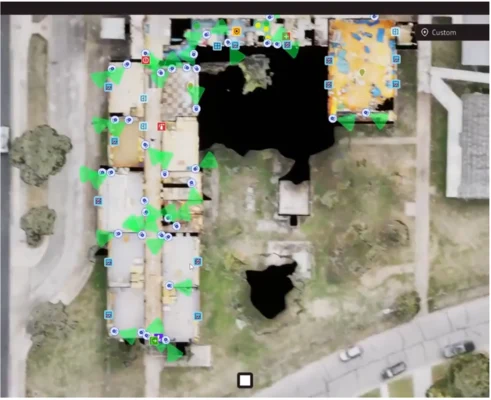
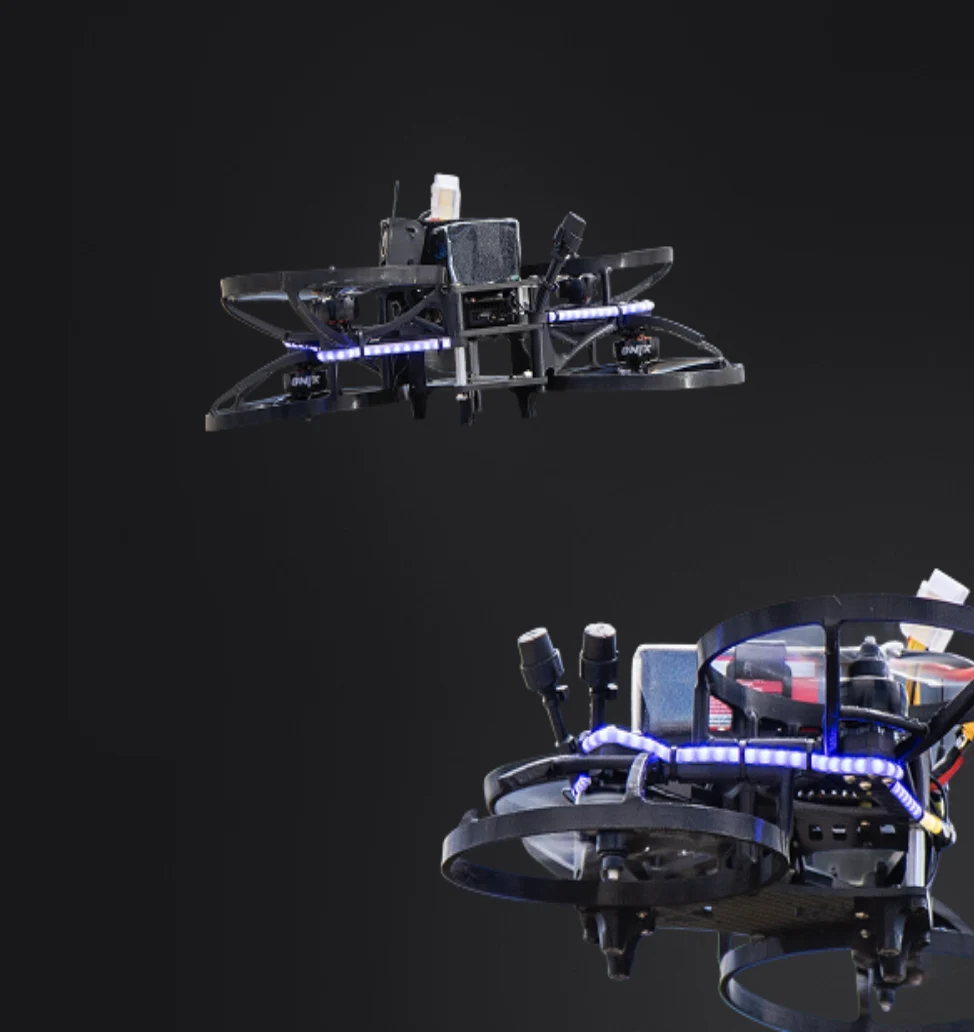
The system involves setting up drone stations around school grounds, each housing drones that can take off quickly and reach speeds of 30-50 mph indoors and up to 100 mph outdoors. When a potential threat is identified, the closest drone is activated, providing video and sensor information back to CGA’s operations hub in Austin. This hub manages responses using a digital replica of the campus to ensure effective action.
Life-Saving Potential
CGA claims that by delivering live intelligence and diverting attention from victims, drones can potentially save lives during those crucial first minutes before police arrive. They also say this technology lessens the danger to officers, enabling them to enter buildings with more precise information, instead of searching for threats without any guidance.
Deterrent Features of Drones
The drones can also serve as a deterrent tool. With sirens and speakers, they can confuse threats while commanding them to surrender. Furthermore, air poppers and a pepper gun can be utilized to further distract, disorient, or even incapacitate a threat. In extreme cases, the drones are capable of executing “kinetic energy hits,” crashing into an attacker with a force comparable to that of a beanbag round.
CGA highlights concerning statistics, noting over 800 individuals have been killed or injured in recent school shootings, along with an increase in swatting incidents. This underlines the necessity for quick, technology-based defense mechanisms. Although there are still unresolved issues about privacy, costs, and reliability, the program has already gained interest from school districts and law enforcement in Texas.
Source:
Link