Key Takeaways
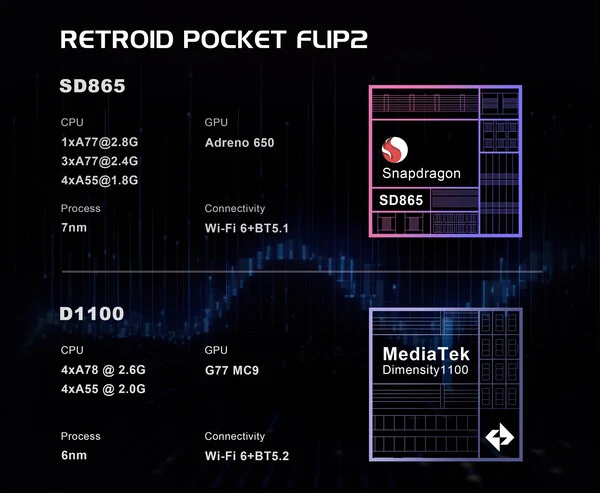
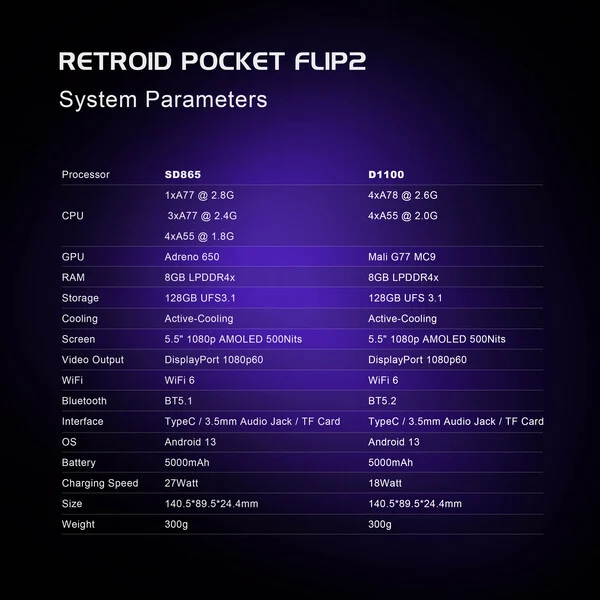
1. The updated Retroid Pocket Flip 2 handheld console features a MediaTek Dimensity 1100 chip and is priced at $200, making it $30 cheaper than the Snapdragon 865 variant.
2. The device performs well with retro emulators, supporting games from platforms like Game Boy Advance, PSP, and Dreamcast, and can run most GameCube and Wii games smoothly at double resolution.
3. Benchmark tests show both chips (Dimensity 1100 and Snapdragon 865) have similar thermal efficiency and stability, with negligible differences in performance during the 3DMark Wild Life Stress Test.
4. The Dimensity 1100 model has limitations in emulation flexibility, lacking support for custom GPU drivers and dual booting into Linux, which affects performance in more demanding games like PS2 and Switch titles.
5. The Flip 2 supports USB-C docking for a solid experience with third-party adapters and allows for charging during gameplay, with battery life varying from 3 hours on heavy usage to 16 hours on lighter games.
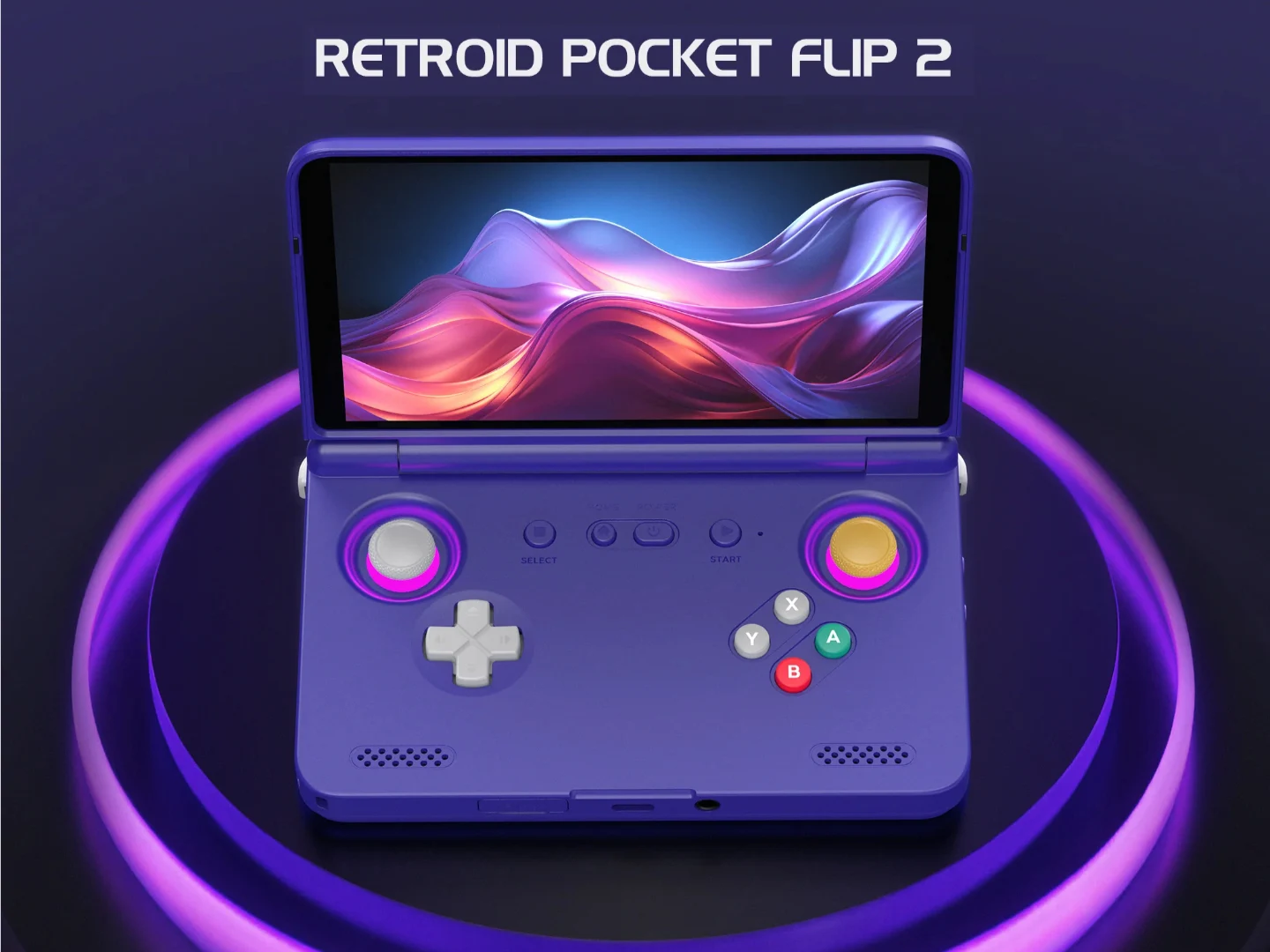
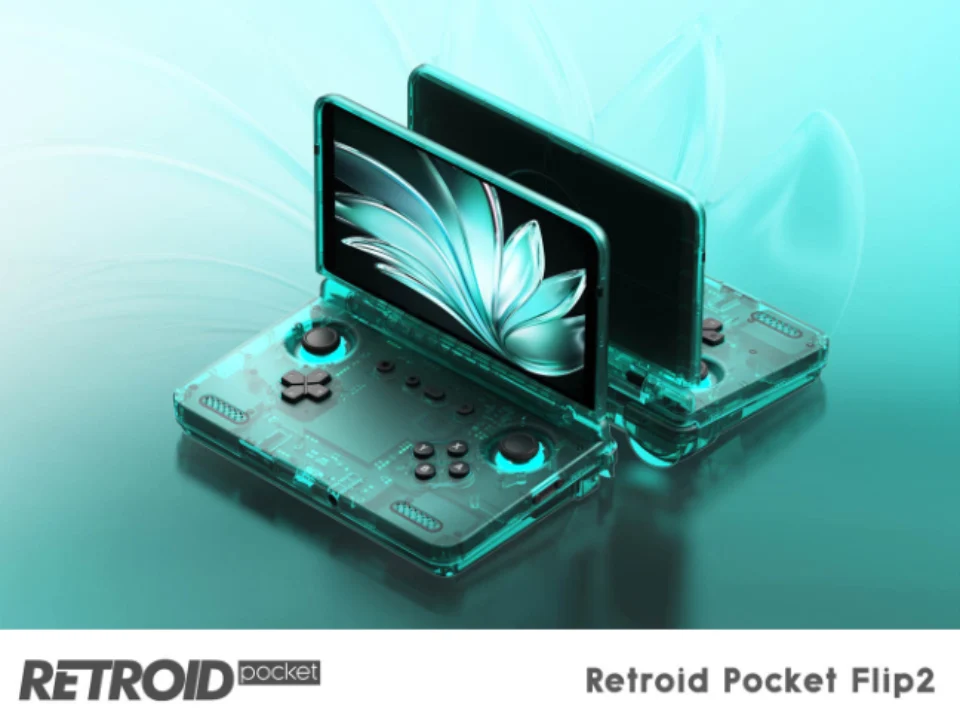
Retroid has launched an updated version of its Pocket Flip 2 handheld console, now powered by MediaTek’s Dimensity 1100 chip. Priced at US$200, it is US$30 cheaper than the Snapdragon 865 variant. The device maintains the familiar clamshell design, features a 5.5-inch 1080p AMOLED screen, and runs on Android 13.
Performance with Retro Emulators
In a hands-on review, Russ from Retro Game Corps tested the Dimensity 1100 model with various retro emulators. He found that it functioned well with systems like Game Boy Advance, PSP, and Dreamcast, and was able to run most GameCube and Wii games smoothly at double resolution.
Benchmark Results
During testing, Russ also executed the 3DMark Wild Life Stress Test, which is a GPU benchmark loop that lasts for 20 minutes. He noted negligible differences between the two chips, with both the Dimensity 1100 and Snapdragon 865 achieving a stability rate of 99.5%, staying below 30 °C, and experiencing battery drains of 10% and 9%, respectively. The thermal efficiency and handling under load were almost the same in this test.
Emulation Support Limitations
However, the Snapdragon version appears to have an advantage in terms of emulation flexibility. Russ mentioned that the Dimensity 1100 model does not support custom GPU drivers and cannot dual boot into Linux, which limits its ability to run more demanding platforms such as PS2 and Switch. In his gameplay tests, he noticed frame drops and visual glitches in games like God of War II and Wind Waker HD, problems that the Snapdragon variant managed to handle more effectively.
Streaming and Android gaming performed well on both versions of the Flip 2, according to Russ. While the gameplay was generally enjoyable, he pointed out that the Dimensity model exhibited slightly higher video decoding latency, ranging from 8 to 10 ms compared to just 2 to 4 ms on the Snapdragon.
Docking and Usability
Docked mode continues to be available on the Flip 2 via USB-C, and based on testing from Retro Game Corps, the experience remains solid. Russ found that it worked well with both third-party adapters and Retroid’s official dock, which allows for charging during gameplay. He noted that with the lid shut and a Bluetooth controller attached, it effectively transforms the handheld into a compact Android console.
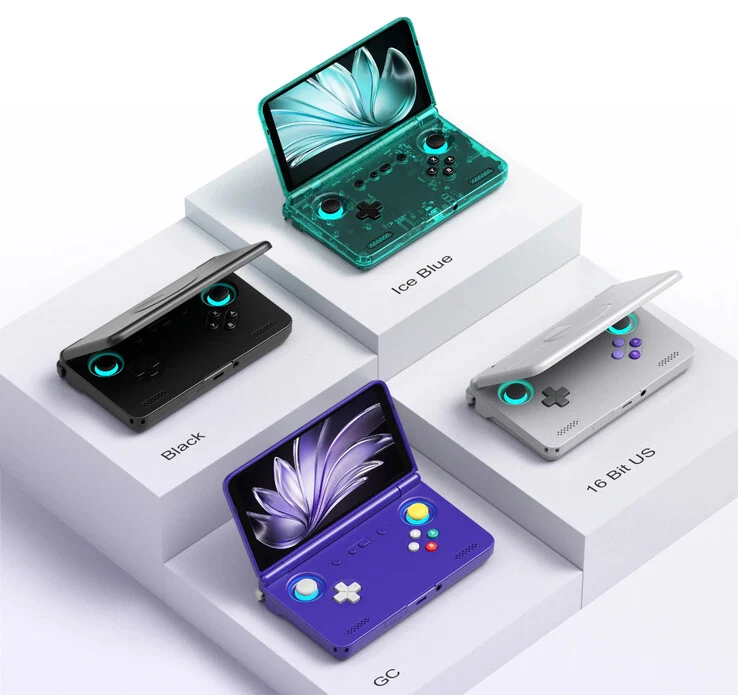
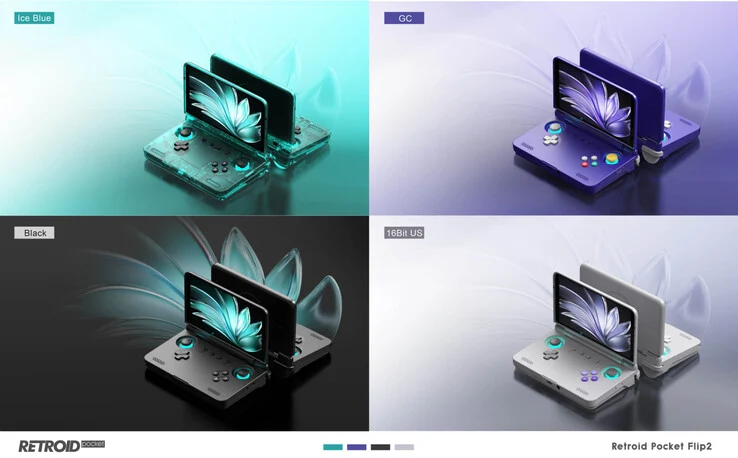
For retro gaming and sixth-generation titles, the Dimensity 1100 Flip 2 seems like a good option. Russ describes it as responsive and capable, with the added advantage of USB-C video output for larger displays. Battery life can vary significantly based on usage: up to 16 hours for lighter games like GBA or SNES, around 6 to 8 hours for more demanding systems like GameCube and PS2, and just over 3 hours when running GPU benchmarks. In terms of specifications, it features 8GB of RAM, 128GB of storage, and is available in four colors.
For a detailed examination of how the Dimensity variant performs in real-world emulation and gameplay, it’s worth checking out the full video from Retro Game Corps. The video offers a comprehensive breakdown of its strengths, weaknesses, and everything in between.
Source:
Link