
Key Takeaways
1. The DART spacecraft’s collision with Dimorphos changed its path and also affected the nearby asteroid Didymos.
2. Observations show a small shift in the orbital cycle of Dimorphos and Didymos, which is significant over time.
3. The impact from DART altered Dimorphos’s shape, increased its speed, and reduced its orbital period around Didymos by 33 minutes.
4. There is no immediate threat to Earth from these changes; the mission highlights the importance of planetary defense.
5. Future asteroid approaches, like 2024 YR4, are being monitored, with no expected collisions.
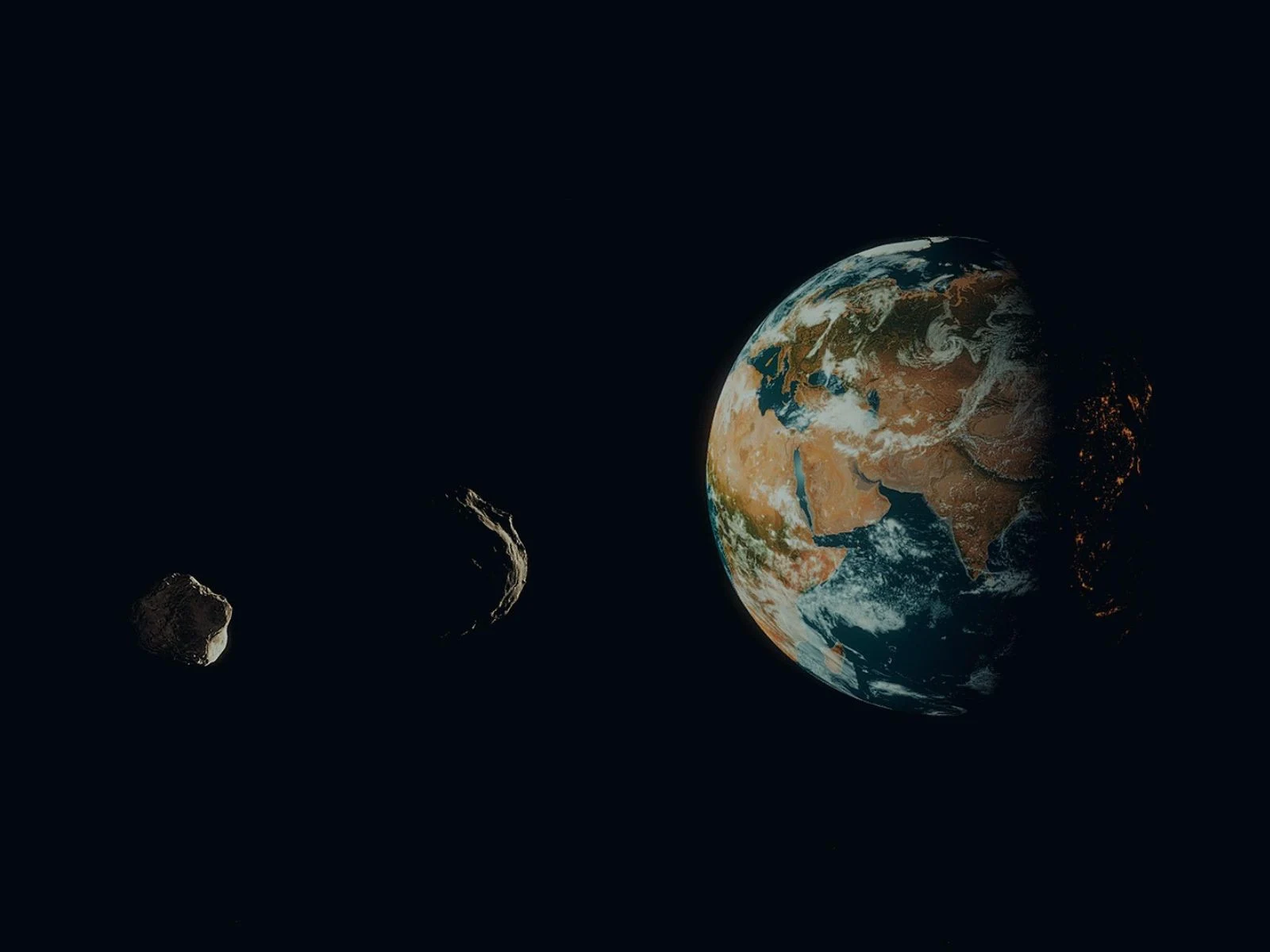
In September 2022, the DART spacecraft collided with the asteroid Dimorphos to change its path. However, this mission not only affected Dimorphos but also altered the course of Didymos, a larger asteroid located close by.
New Findings
This information was shared in a study released in Science Advances. These two asteroids, which are 170 and 805 meters wide, are held together by gravitational forces. Recent observations indicate that their orbital cycle of 770 days around the Sun has shifted by a tiny fraction of a second. While this may appear trivial, even small changes can become significant over long periods.
The Impact of DART
When the DART spacecraft struck Dimorphos, it caused a cloud of rock and debris to be thrown into space. The shape of Dimorphos was altered, and its speed increased. Furthermore, its orbital period around Didymos, which used to be 12 hours, was reduced by 33 minutes.
No Need to Panic
Even though their paths have been changed, there’s no cause for alarm regarding Earth. This incident demonstrates that space missions like this one can be crucial if an asteroid poses a threat to our planet. For instance, the asteroid 2024 YR4 is expected to come close to the Moon in 2032, but it will not collide with it.
Science Advances’
Source:
Link