
Tag: Cooling technology

  • OnePlus 40W Magnetic Cooler Gets Color Refresh for Super Freezing Point

    OnePlus 40W Magnetic Cooler Gets Color Refresh for Super Freezing Point

    Key Takeaway

    1. The OnePlus 40W Super Freezing Point Magnetic Cooler now has a second color option, Heartflow White, in addition to Deep Space Silver.
    2. The cooler employs TEC technology, a fan, and LED indicators to efficiently lower device temperatures during high-performance tasks.
    3. It can reduce device temperature to -22°C, reaching 0°C in 18 seconds, and is priced at approximately $34, available on the Oppo Shop website.

    New Color Option for OnePlus Cooling Accessory

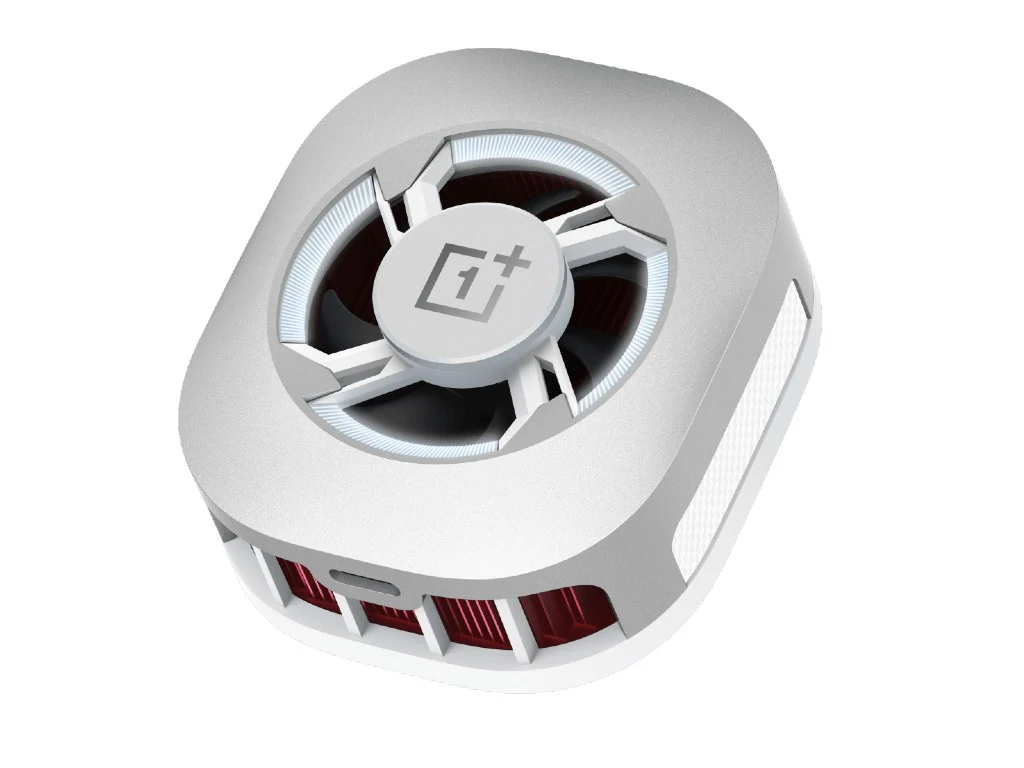
    Back last March, OnePlus had announced a innovative magnetic cooling device to replace the previous 27W Freezing Point Magnetic Cooler that came with the OnePlus 13T released in April 2025. The latest version, called the OnePlus 40W Super Freezing Point Magnetic Cooler, initially only come in one color. But now, a new color has been added to the available options.

    Availability of Heartflow White

    This new option is dubbed Heartflow White, and it now joins the already available Deep Space Silver color. Both variants are identical in features and price, giving user more choice when selecting their cooling device. The Heartflow White offers a fresh look while maintaining the same premium quality as its silver counterpart.

    Features and Functionality

    In essence, this cooler is a smart tool designed to keep your phone cooler especially when you engaged in high demand activities like gaming or multitasking. It magnetically attaches onto the backside of your device and is powered through a compatible charger rated at at least 45W. The name hints at its cooling capacity, which is achieved with advanced TEC technology to actively lower the device’s temperature.

    How It Works

    The cooler features a fan and LED lights indicating four different cooling levels, giving users visual cues on the device’s status. Per OnePlus, this device can reach an astonishing low temperature of -22°C, and it can get down to 0°C in just 18 seconds, making it highly effective during intense usage periods.

    Pricing and Offers

    The price for this cooling gadget is set at CNY 229, roughly equivalent to $34 or €29. It can be purchased from the Oppo Shop website. Additionally, there is a promotional discount of CNY 30 (about $4.40 or €3.76) available when buying together with the Ace 6 Ultra, making the deal even more attractive for users interested in both products.

    Final Notes

    This new color launch emphasizes OnePlus’s effort to offer both functionality and aesthetic variety to its user base, especially for those who need efficient cooling solutions for their devices during heavy use. The cooler’s rapid cooling capability and design make it a valuable accessory in high-performance scenarios, and the new color choice caters to a broader range of style preferences.
    Sources
  • Efficient Low-Emission Cooling Tech Absorbs 67 Joules per Gram

    Efficient Low-Emission Cooling Tech Absorbs 67 Joules per Gram

    Key Takeaways

    1. Cooling and refrigeration technology is crucial but contributes significantly to electricity use and carbon emissions, with systems responsible for over 7.8% of global emissions.
    2. A new research breakthrough by Prof. Li Bing’s team introduces a cooling method using an ammonium thiocyanate salt solution, merging solid and liquid coolant benefits.
    3. The innovative cooling cycle can reduce fluid temperature by nearly 30°C in just 20 seconds and achieve a cooling range of up to 54 kelvins at higher temperatures.
    4. The new system demonstrates high energy efficiency nearing 77% and a cooling capacity of 67 joules per gram.
    5. This zero-carbon emissions technology is poised to address the growing global cooling demands, particularly for future artificial intelligence computing centers.


    Cooling and refrigeration technology is one of the most important inventions by humans, but it has a significant environmental impact. The commonly used vapor-compression cooling systems are responsible for around 15% of electricity use in China (as of 2019) and over 7.8% of carbon emissions globally (based on 2020 data). Although solid-state caloric materials have been identified as a low-emission option, their poor heat transfer efficiency has greatly hindered widespread use.

    Breakthrough in Cooling Technology

    Now, a research team, directed by Prof. Li Bing from the Institute of Metal Research at the Chinese Academy of Sciences, has successfully addressed the challenging balance of high cooling capacity, effective heat transfer, and zero-carbon emissions. Their research, published in the journal Nature, showcases a new approach that utilizes the dissolution barocaloric effect.

    The researchers accomplished this by employing an ammonium thiocyanate (NH4SCN) salt solution. This innovative method merges the thermal advantages of solid coolants with the quick flow characteristics of liquids. By converting the coolant into a fluid that can be pumped, the system can quickly respond to changes in pressure without encountering the heat-transfer delays that are common in traditional solid interfaces.

    Innovative Cooling Cycle

    The fundamental process of this new cooling cycle follows a straightforward sequence. In tests conducted at room temperature, the temperature of the fluid dropped by almost 30 kelvins (nearly 30°C) in a mere 20 seconds. The cooling range reached up to 54 kelvins at higher temperatures. Simulations of a four-step prototype cycle demonstrated an energy efficiency nearing 77% and a cooling capacity of 67 joules per gram.

    With the global need for cooling expected to triple by 2050 (according to 2022 data), this reliable and reversible technology opens doors for commercial refrigeration that emits no carbon. Its outstanding performance at high temperatures makes it especially effective for handling the significant thermal demands of future artificial intelligence computing centers.

    Source:
    Link