
Key Takeaways
1. Chemotherapy, while common, has drawbacks, including damage to healthy cells and significant side effects from drugs like 5-fluorouracil (5-Fu).
2. Northwestern University researchers developed a new SNA-based treatment that is 20,000 times more effective against leukemia cells without causing side effects.
3. The innovative drug delivery system uses spherical nucleic acids to specifically target cancer cells, enhancing drug uptake and effectiveness.
4. Animal studies showed the new treatment significantly slowed disease progression and nearly eradicated leukemia cells without harming healthy tissues.
5. Seven SNA-based therapies are currently in clinical trials, with further studies needed before the leukemia treatment can be tested in humans.
Chemotherapy is still a common way to treat various cancers, but it isn’t without its flaws. This method uses cytotoxic agents to kill fast-growing cells, but it lacks the ability to target just the cancerous ones. One of the widely utilized drugs, 5-fluorouracil (5-Fu), affects not only cancer cells but also healthy ones, leading to serious side effects like nausea, exhaustion, or heart problems. Additionally, its low solubility in body fluids decreases its effectiveness.
Breakthrough Research
A research team from Northwestern University, led by Professor Chad A. Mirkin, who is the Director of the International Institute for Nanotechnology, may have discovered a way to address these issues. They altered the molecular structure of the chemotherapy drug, resulting in a treatment that is 20,000 times more effective against leukemia cells in animal models, and it does this without causing side effects. Their research was published on October 29 in ACS Nano.
Innovative Design
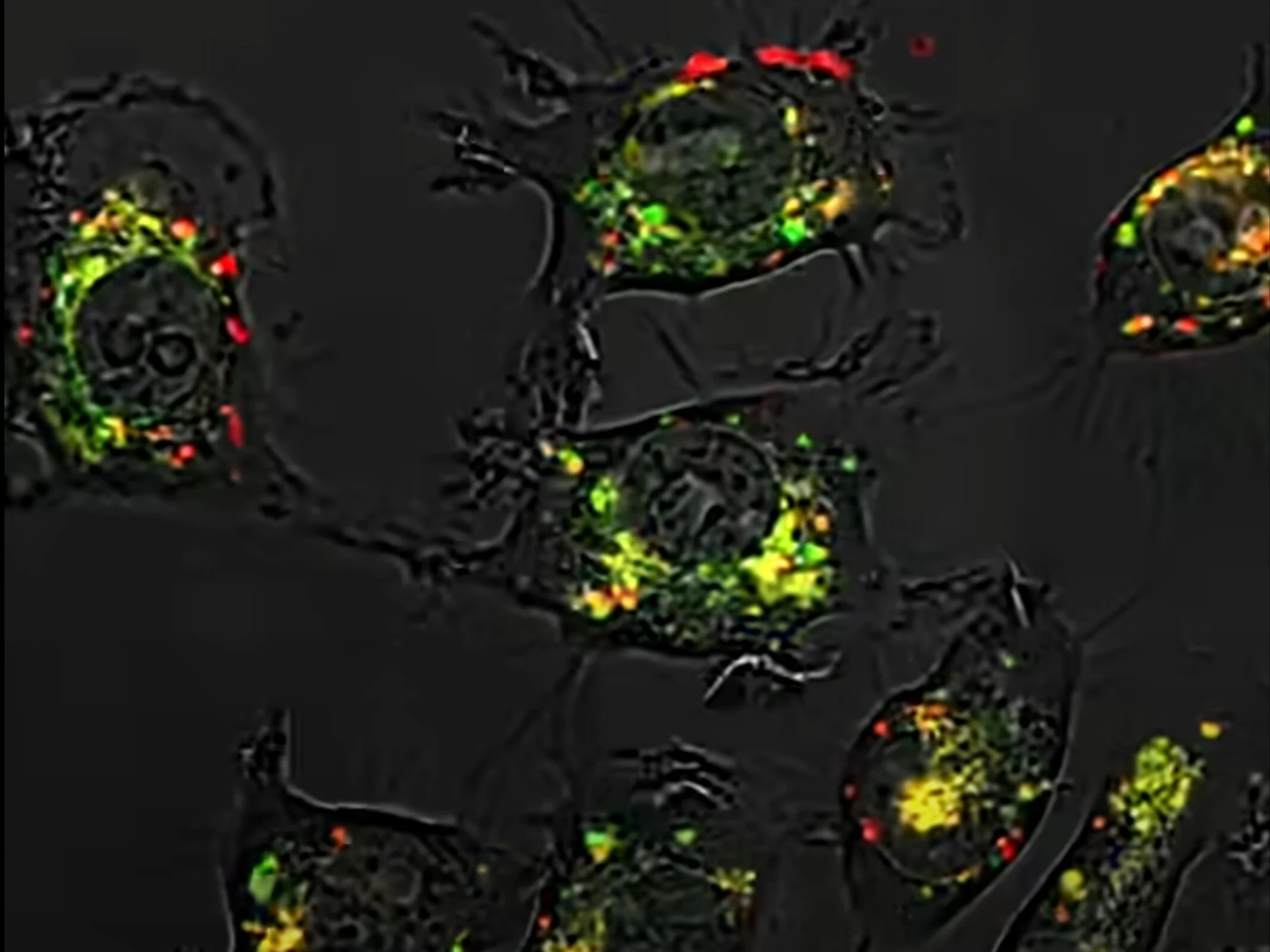
The new compound is based on spherical nucleic acids (SNAs), which are tiny nanostructures made up of a particle core that is surrounded by compact strands of DNA or RNA. The chemotherapy drug 5-Fu is chemically integrated within this DNA layer. The idea is both straightforward and impactful: cancer cells identify and take in these spherical particles through specific receptors on their surfaces. Once the particles are inside, enzymes degrade the DNA shell, releasing the drug exactly where it is needed. The theory is now backed by results showing it works effectively in practice.
A brief video from Northwestern University shows how the nanostructure infiltrates a cancer cell and liberates the drug from within:
Promising Results
In studies involving animals with acute myeloid leukemia (AML), the outcomes were remarkable. The SNA-based treatment was taken up by cancer cells 12.5 times more efficiently and was around 20,000 times more effective at eliminating them compared to the standard treatment. The progression of the disease slowed down by 59 times, and leukemia cells were nearly eradicated from the blood and spleen of the treated animals. Meanwhile, healthy tissues and organs showed no adverse effects, with no side effects noted.
The researchers view their work as a significant milestone in structural nanomedicine, a fresh approach that uses both the chemical makeup and spatial arrangement of drugs to control their behavior in the body precisely. Consequently, these findings mark a substantial advancement in cancer therapy. Looking forward, this same method might be useful for treating infections, neurodegenerative diseases, or autoimmune conditions.
Future Prospects
At present, there are seven SNA-based therapies in clinical trials. Regarding the newly formulated leukemia treatment, the next phases will involve more comprehensive animal studies, followed by human trials. Nevertheless, it may take several years before the drug becomes available for public use.
Source:
Link