Key Takeaways
1. Meta is building its 30th data center in Beaver Dam, Wisconsin, with an investment exceeding $1 billion, focusing on AI workloads rather than traditional cloud storage.
2. The construction will require over 1,000 skilled trade workers at peak, and the facility will create more than 100 operational jobs once completed.
3. The center will feature AI-optimized server racks and a dry-cooling system, allowing it to operate without water for cooling, a significant innovation in data center design.
4. Meta plans to restore 570 acres of wetlands and prairie land, ensuring the data center runs on 100% clean and renewable energy while aiming for LEED Gold Certification.
5. Despite its environmental efforts, Meta has been criticized for its climate responsibility, with concerns about the integrity of its net-zero by 2030 commitment and the carbon impact of its data centers.
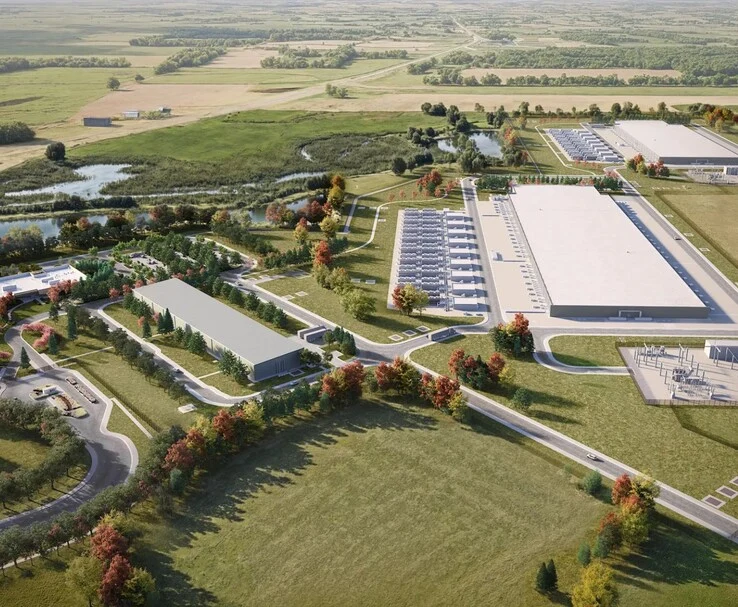
Meta is gearing up to construct its 30th data center in Beaver Dam, Wisconsin, with an investment that will surpass $1 billion. The company has stated that more than 1,000 skilled trade workers will be needed at the peak of construction, and over 100 operational jobs will be available once the facility is up and running. This data center is designed especially for AI workloads instead of regular cloud storage, highlighting the increasing computational needs of modern large language models and ranking systems utilized by Facebook, Instagram, and WhatsApp.
Advanced Infrastructure for AI
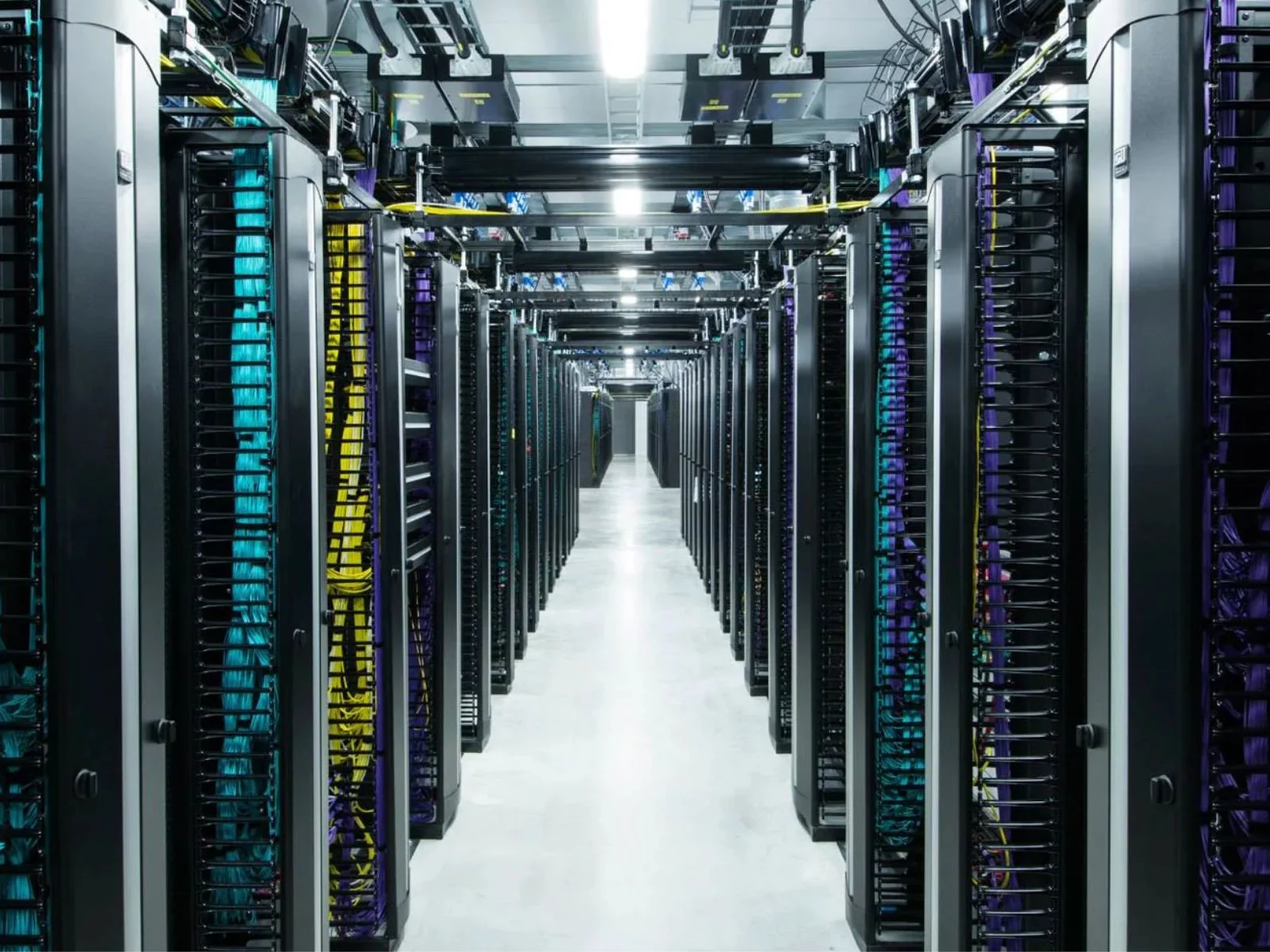
Meta has indicated that the center will incorporate AI-optimized server racks, more powerful energy delivery systems, and improved thermal management designed for high-load operations. The engineering modifications are crucial for managing current training and inference tasks at scale. Additionally, the company plans to invest approximately $200 million in enhancements to local energy transmission lines and substations, as AI-focused centers require a lot more continuous power compared to typical server farms.
Innovative Cooling Solutions
One significant technical advancement highlighted by Meta is the implementation of a dry-cooling system. This approach means that the data center will function without water for cooling once it is operational. The company emphasizes that many large data centers depend on water for heat management, particularly those utilizing GPUs and accelerators, making the adoption of dry-cooling a remarkable engineering decision.
Meta goes on to explain that dry-cooling necessitates careful airflow design, heat-exchange planning, and thermal control at the rack level to effectively handle heat produced by high-performance AI hardware. The company also assures that it will return all the water used during construction to local watersheds.
Environmental Restoration Efforts
Meta is collaborating with Ducks Unlimited and other organizations to restore 570 acres of damaged wetlands and prairie land around the campus. Of this area, about 175 acres will be directly transferred to Ducks Unlimited for ecological restoration.
Moreover, the data center’s energy usage will be supported by 100% clean and renewable energy. Meta notes that large facilities like this typically depend on long-term agreements for solar, wind, and clean energy.
The company aims for the building to achieve LEED Gold Certification, which includes high-efficiency standards, advanced air handling systems, and low-carbon construction materials that are aimed at maintaining stable thermal and power conditions for dense AI compute clusters.
Complex Climate Impact
Despite Meta’s focus on efficiency and environmental improvements for the Beaver Dam project, the overall climate situation is more complicated. The Corporate Climate Responsibility Monitor 2025 flags Meta as one of the lowest performers in the tech industry regarding climate responsibility, giving its net-zero-by-2030 commitment a “very poor” integrity rating.
This report points out that the pledge does not have a clear emissions-reduction target and heavily relies on market-based accounting. It also highlights that roughly 37% of Meta’s emissions are generated by its own data centers and that the claim of 100% carbon-free energy is based on annual matching rather than real-time clean power, which does not guarantee carbon-free electricity when AI systems are actively using it.
Furthermore, the monitor mentions that Meta does not release emissions data from third-party data centers and has co-founded a lobbying group that advocates for more lenient carbon-accounting rules. These factors contribute to an increased climate-risk profile for Meta as its energy-intensive AI operations continue to grow.
Source:
Link