Key Takeaways
1. Display Technology: The Q27G4SMN uses a Fast VA panel with mini LED backlighting and 1,152 dimming zones, while the Q27G4SP features a Fast IPS panel with no dimming zones, resulting in different peak brightness levels.
2. Viewing Angles & Refresh Rates: The IPS panel of the Q27G4SP offers better viewing angles and a higher refresh rate of 320 Hz, compared to the SMN’s specifications.
3. Color Accuracy: The Q27G4SMN has a slightly better color coverage at 97% of the P3 color gamut, while the Q27G4SP covers 95%, but both maintain decent accuracy with a ΔE of under 2.
4. Ergonomic Features: Both monitors include ergonomic adjustments such as tilt, swivel, height adjustment (up to 130 mm), and VESA mounting options.
5. Connectivity Options: Both models are equipped with dual HDMI 2.1 ports, a DisplayPort 1.4, and an audio output, though pricing and availability details are currently unclear.
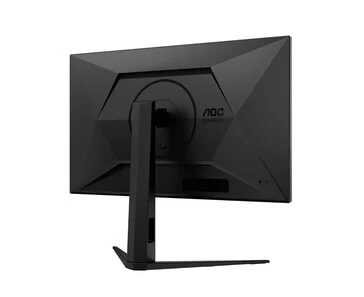
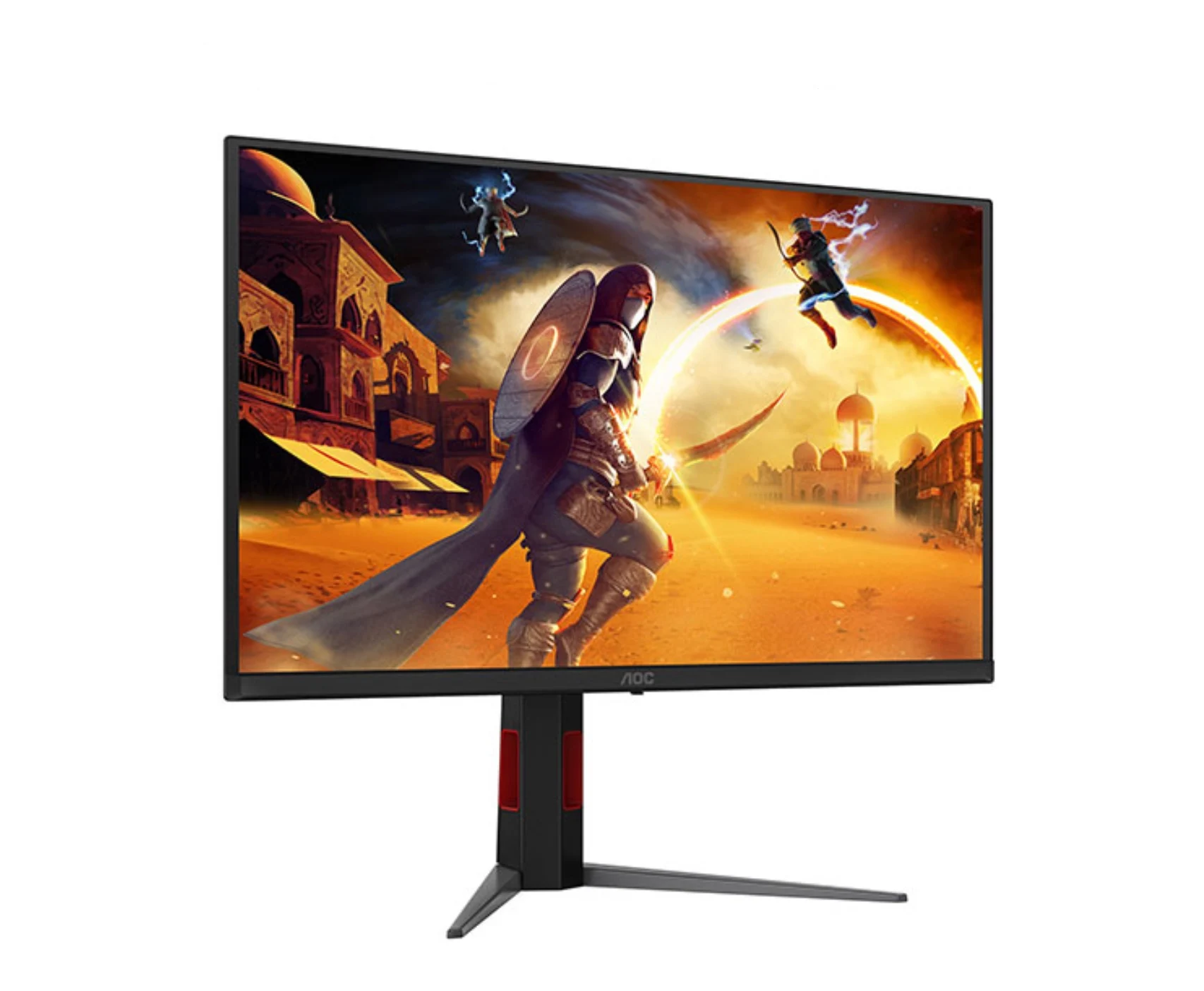
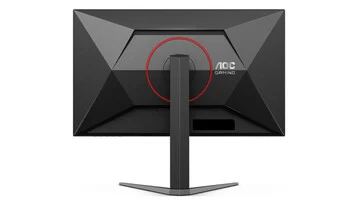
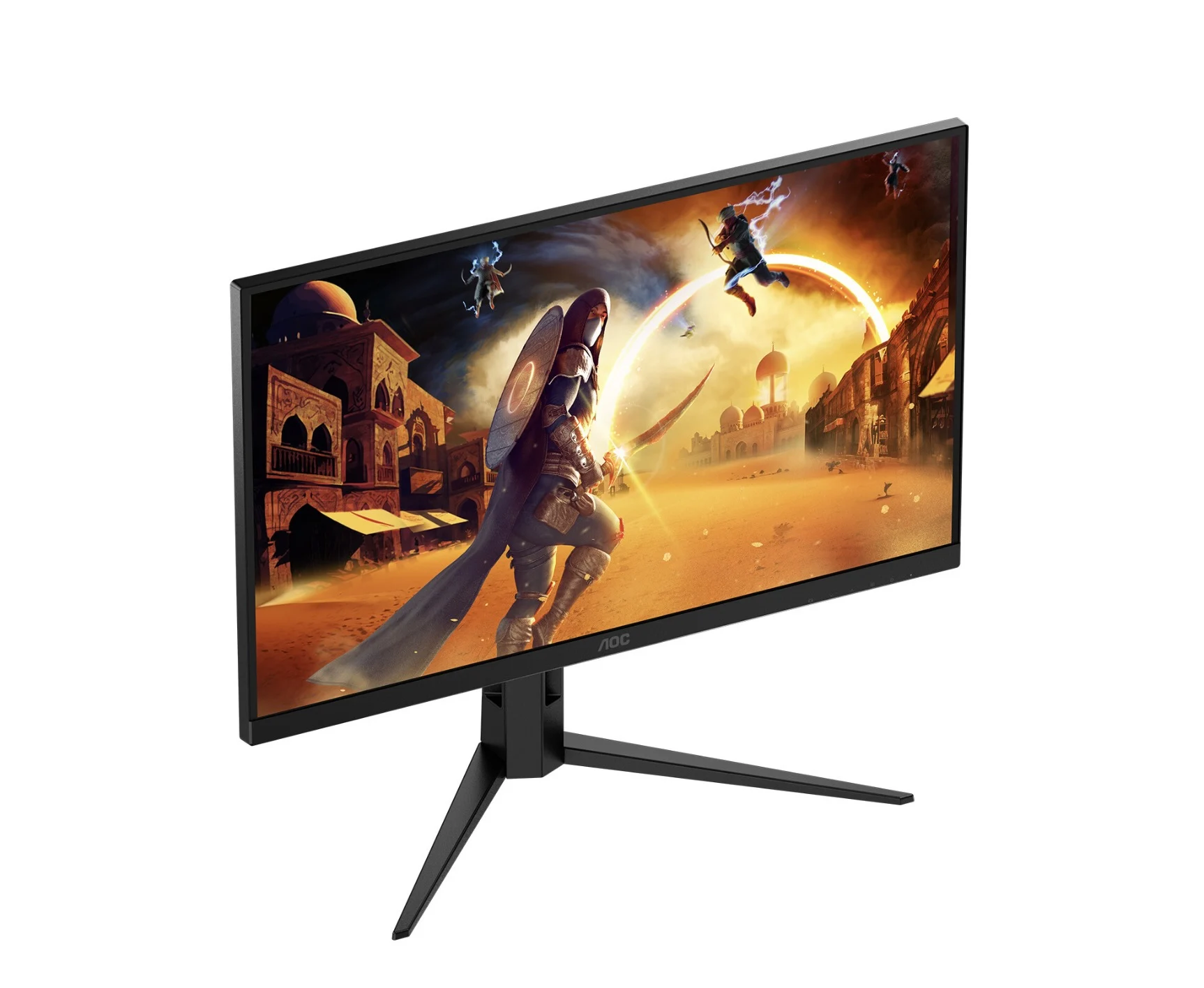
Along with the Q27G4SMN, AOC has also launched the Q27G4SP gaming monitor, which has a resolution of 2560 x 1440. Both monitors are 27 inches in size and appear very similar, but they have significant differences in display technology.
Display Technology Differences
The Q27G4SMN, which we discussed earlier, uses a Fast VA panel equipped with mini LED backlighting and has 1,152 dimming zones, which provides excellent contrast. However, like many VA panels, it may have limited viewing angles. Conversely, the Q27G4SP employs a Fast IPS panel that lacks dimming zones, resulting in a notably lower peak brightness of 450 nits for HDR and 350 nits for SDR. AOC claims that the response time for this model is 1 ms GtG.
Viewing Angles & Refresh Rates
Nevertheless, the IPS panel is likely to offer better viewing angles, and the Q27G4SP has a slightly higher refresh rate of 320 Hz. Its color coverage is a bit lower, at 95% of the P3 color gamut, compared to the SMN’s 97%. That said, the panel should still maintain decent accuracy, boasting a claimed ΔE of under 2. Overall, the productivity experience with the Q27G4SP shouldn’t be disappointing.
Adjustments and Connectivity
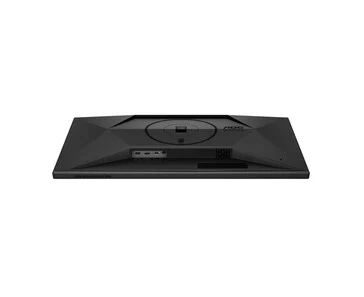
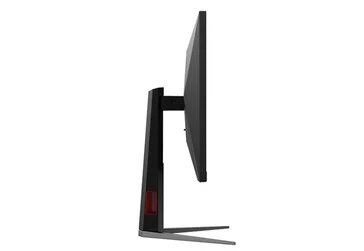
Ergonomic features include options for tilt, swivel, height adjustment (up to 130 mm), and a 90º pivot. The VESA mounting option is also included, which is to be expected. As previously mentioned, both monitors share a similar design. Connectivity options feature dual HDMI 2.1 ports, a DisplayPort 1.4, and an audio output. Unfortunately, details about pricing and availability for the gaming monitor aren’t clear at this moment.
Source:
Link