
Key Takeaways
1. Power banks without the China Compulsory Certification (3C) mark are currently banned on airplanes, causing issues for travelers with unauthorized devices.
2. The Chinese government implemented the 3C certification requirement due to incidents of power banks igniting during flights.
3. New proposals suggest stricter standards beyond 3C certification, including requirements to prevent fires, combustion, cracking, and leakage.
4. Manufacturers may need to adopt safer but more expensive battery technologies to comply with the proposed regulations.
5. The new rules are open for public comment until December 11, with enforcement expected around June 2026, giving manufacturers a grace period to adapt.
After putting limits on the types of power banks allowed on flights, China is now gearing up to enforce stricter safety standards for manufacturers.
Current Restrictions
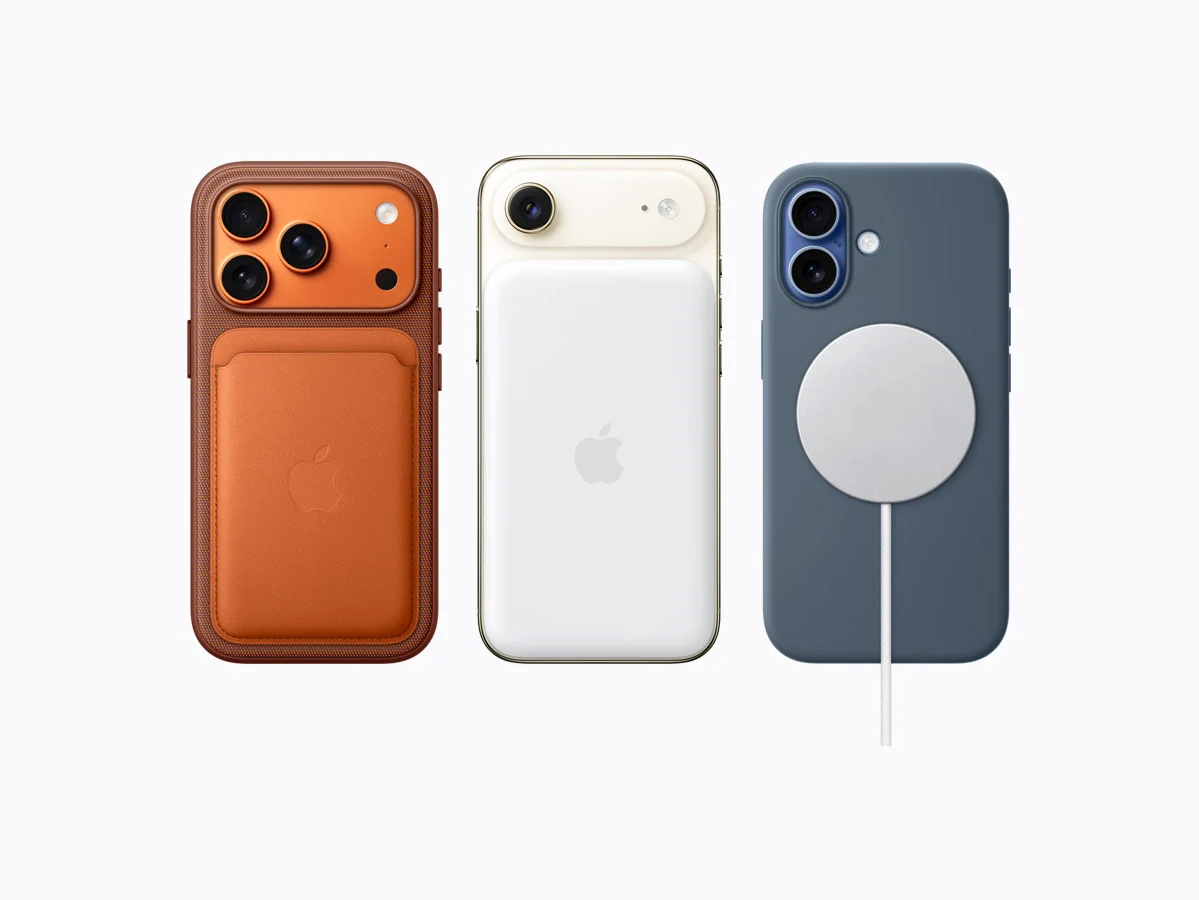
At present, power banks without the China Compulsory Certification (3C) mark are prohibited on airplanes, leading to many surprised travelers having their $99 MagSafe battery for iPhone Air taken away during check-in. Those who have flown domestically or made connecting flights through China can confirm that the luggage scanners mainly focus on identifying unauthorized power banks. They can even flag gaming laptop chargers for further inspection if there’s a suspicion they might contain batteries.
Government Directives
This scrutiny is backed by mandates from the Chinese government, which arose following several incidents of power banks igniting during flights. In response, the government established the 3C certification requirement last June. Many power banks, such as the discounted Anker Prime currently available at 30% off on Amazon, are produced in China and thus carry the 3C certification. Owners of relatively newer charging devices felt a moment of relief, though it may be short-lived.
New Proposals
According to a proposal from the China Electronics Standardization Institute, which is similar to the FCC, having a 3C certification will soon no longer suffice for bringing a power bank onto a plane. The proposed new rules, which include “no fires, no combustion, no cracking, and no leakage,” could shake up the power bank market. Manufacturers might need to adopt different battery technologies and thermal runaway prevention methods to meet these tough new standards, especially under extreme conditions like high temperatures or pressure.
While safer battery technologies that prevent fires are available, they tend to be pricier to implement, which could lead to increased costs for power banks around the world. Additionally, power bank makers will have to include details about the type of battery used, the manufacturing date, and the safe usage duration to prevent overheating and other risks.
Implementation Timeline
The proposal is currently open for public comments until December 11, and it is anticipated to take effect roughly a year after the initial 3C requirement was introduced, targeting June 2026 for enforcement. The industry will have a grace period of six months to a year to make the necessary updates to their production methods. Meanwhile, travelers will still be allowed to carry their 3C-certified power banks on flights during this transition phase.
Source:
Link