
Key Takeaways
1. Actxa’s smart ring estimates future blood sugar levels using AI and optical sensors, but results are not precise measurements, only a dynamic range after a one-minute assessment.
2. The press release does not provide details on the extent of the dynamic range, which may limit practical use if it is too broad.
3. The smart ring includes a “medical-grade” assessment for the risk of developing type 2 diabetes based on data collected over three days.
4. The effectiveness of the risk evaluation may depend on both PPG sensor data and activity data, but specifics are unclear.
5. The blood glucose estimate feature is not suitable for individuals with type 1 diabetes or those experiencing hypoglycemia and should not replace traditional blood testing or continuous glucose monitoring (CGM).
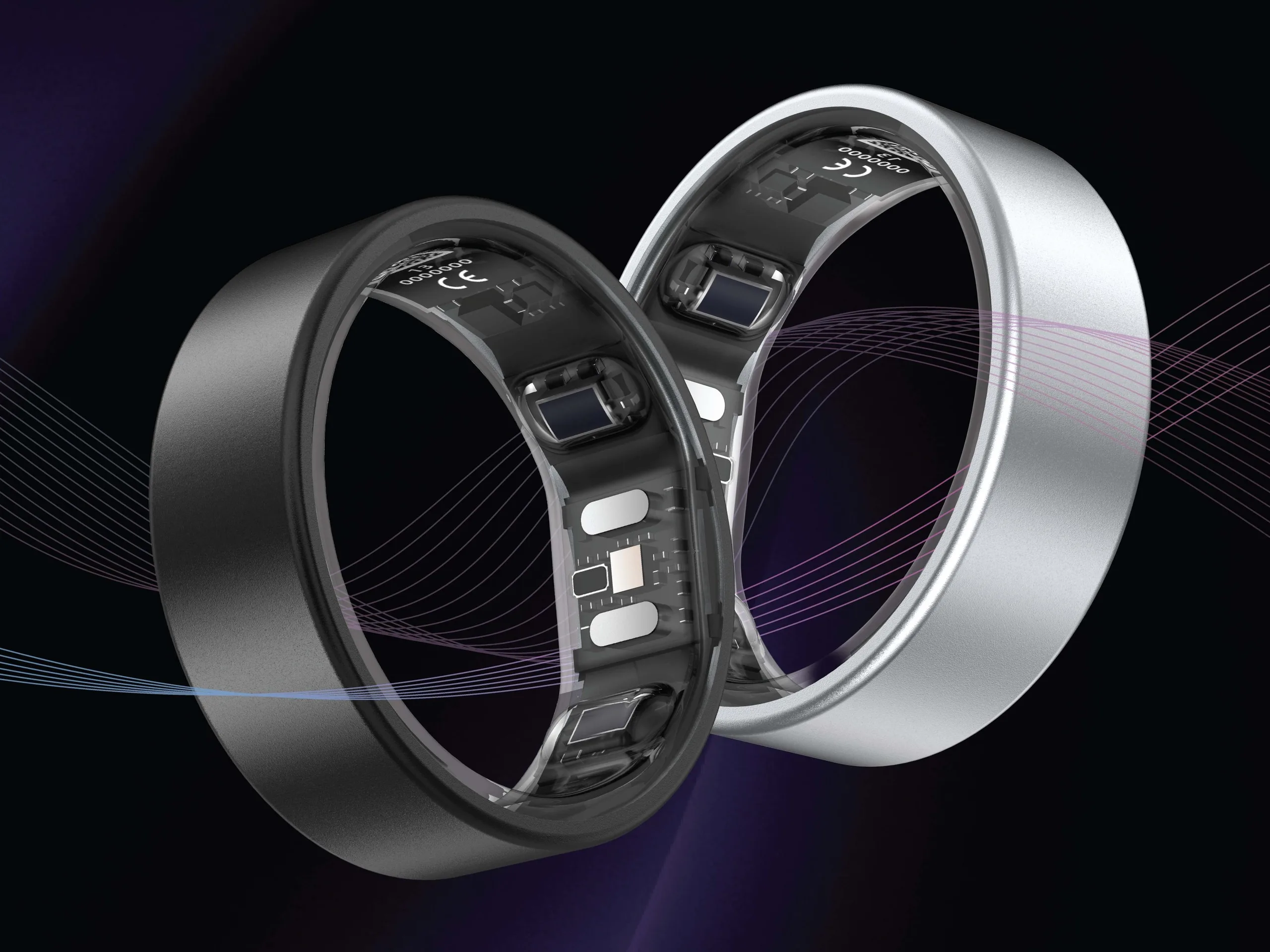
Actxa has introduced a smart ring that aims to give an estimate of blood sugar levels in the future, though measuring blood glucose without invasive methods has been quite challenging. To fully understand how this feature is intended to function, the related press release needs to be examined closely.
How the Technology Works
The company claims to utilize AI and optical sensors to offer insights into blood glucose levels. It’s important to note that “insight” does not equate to precise measurement. Instead, a dynamic range is expected to be shown after a one-minute assessment. The press release lacks details on how extensive this dynamic range is. Generally, reporting values as a range is acceptable when precision is not possible, and scientific measurements often convey uncertainty in ranges. However, if the ranges for blood sugar are excessively broad, they may not provide practical information.
Risk Evaluation Features
Furthermore, the smart ring offers a “medical-grade” evaluation of the risk for developing type 2 diabetes. This assessment relies on data gathered over a span of 3 days. It’s not clear how much the PPG sensors contribute to this evaluation, as it could also depend on activity data. The manufacturers state that the blood glucose estimate should not be used by individuals with type 1 diabetes or those experiencing hypoglycemia, indicating that this feature is certainly not a substitute for traditional blood testing or continuous glucose monitoring (CGM).
Source:
Link