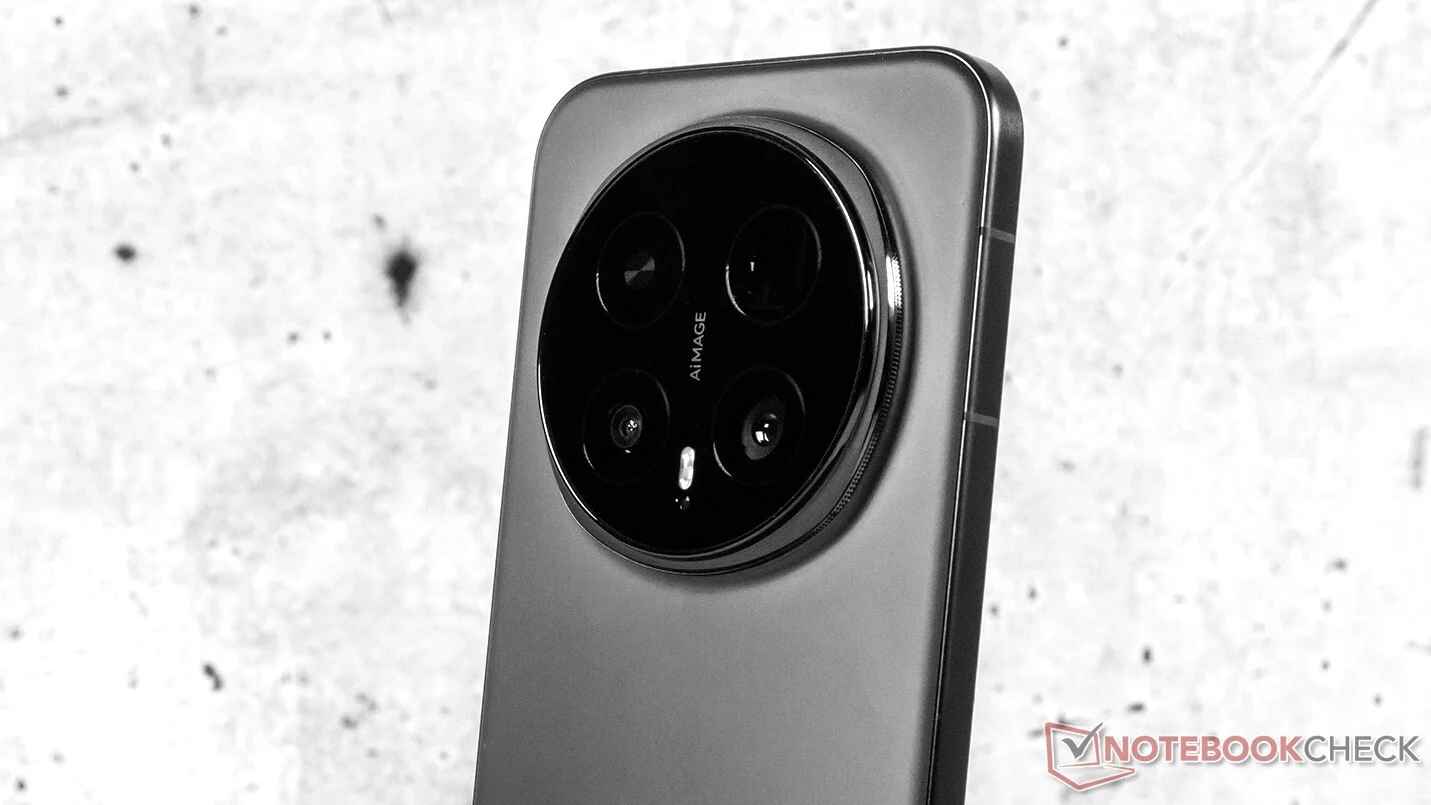
1. The Honor Magic9 Pro is expected to feature a 6.8-inch 1.5K LTPO AMOLED display and a flat design.
2. It may include advanced biometric security with 3D facial recognition using Polar ID technology and in-display ultrasonic fingerprint sensor.
3. The device is rumored to have two 200 MP cameras and a significantly larger battery capacity of at least 8,000 mAh.
Recent rumors about the upcoming Honor Magic9 Pro are painting an exciting picture of what might be one of the most advanced smartphones to come from Honor. The leaks suggest a much-needed overhaul in design and enhanced video features, developed together with the renowned camera equipment company Arri. The details, shared by the China-based leaker Digital Chat Station, point towards a flagship with impressive specifications that could happen soon to the market, with a launch scheduled in China around October 2026, and a follow-up release in Europe in early 2027.
Design and Display Features
The phone is expected to be powered by a new Snapdragon 8 Elite Gen 6 Pro chipset built on 2 nm technology. The display will be a flat, 6.8-inch LTPO AMOLED panel with a resolution of 1.5K, which is an upgrade from the previous Magic8 Pro’s 6.71-inch screen. A significant feature that has been hinted is the inclusion of a 3D facial recognition system, similar to Apple’s Face ID, potentially utilizing Metalenz’s Polar ID technology that is nearing commercial use. Additionally, users can expect an in-display ultrasonic fingerprint scanner that supports 3D biometric unlocks, adding security and convenience.
Camera and Battery Innovations
On the photography front, the Magic9 Pro is rumored to feature dual 200 MP sensors, akin to those on the Xiaomi 11 Pro. The main sensor on the device is said to use a 1/1.28-inch sensor, while the primary periscope telephoto lens will likely have a sensor ranging from 1/1.3 to 1/1.4 inches. Battery capacity is also anticipated to grow substantially from 7,100 mAh to at least 8,000 mAh, promising longer usage times amidst high-power demand. Since these details are based on early testing units, the final specs could see some modifications before the official release.